

Nigeria’s sporting achievements since independence span Olympic medals, world records and continental titles. This editorial examines the talent, triumphs and gaps in the system behind them.
Nigeria gained independence from British rule on 1 October 1960, and within two years, the country had its first world champion.
The six decades that followed have never quite settled whether that was the beginning of something, or simply an exception the nation kept repeating without ever building a system around it.
Nigeria’s sporting triumphs: a journey from independence
From Dick Tiger to Glasgow 2026
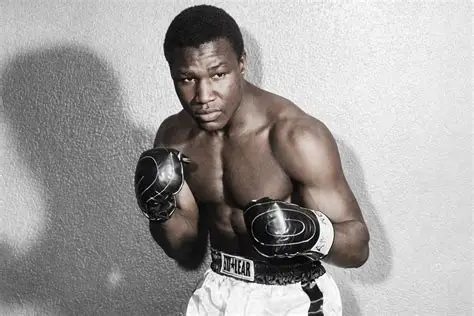
Dick Tiger became world boxing champion in 1962, just two years after independence.
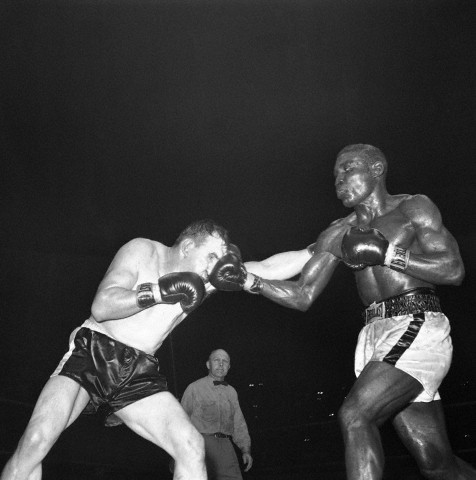
In 1964, Nojeem Maiyegun won Nigeria’s first Olympic medal, a bronze in boxing.
By 1980, the Green Eagles had become African champions. In April 1994, Nigeria’s football team climbed to fifth in the FIFA world rankings, a position that remains the highest ever achieved by an African men’s national team.
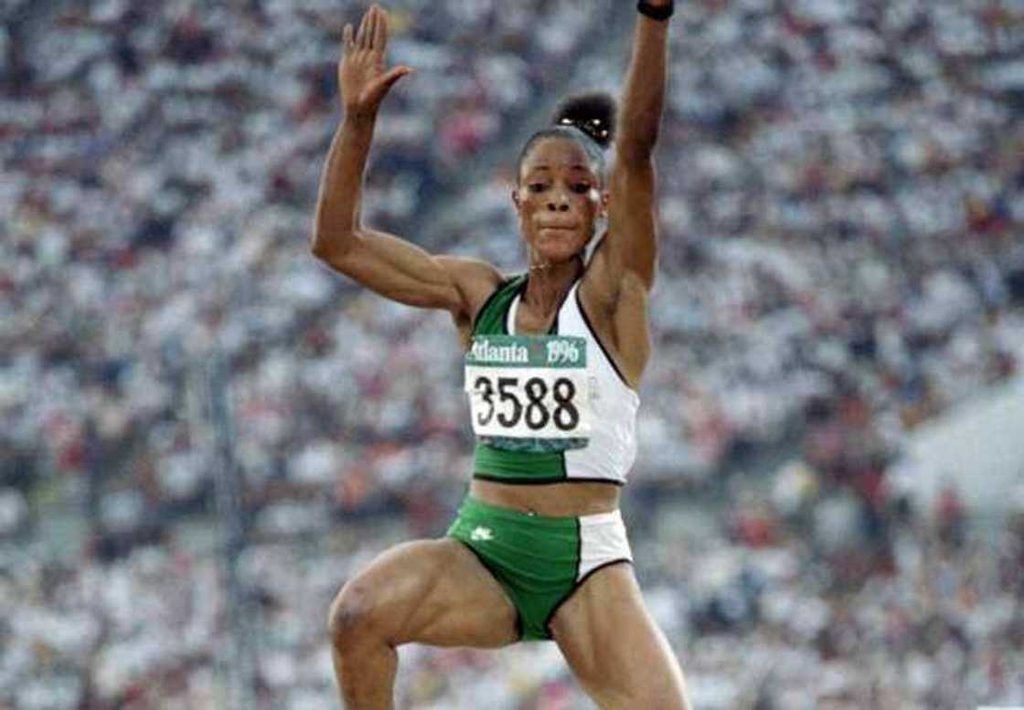
Two years later, Chioma Ajunwa became Nigeria’s first individual Olympic gold medallist, winning the long jump at Atlanta 1996. She was also the first Black African woman to win Olympic gold in a field event.
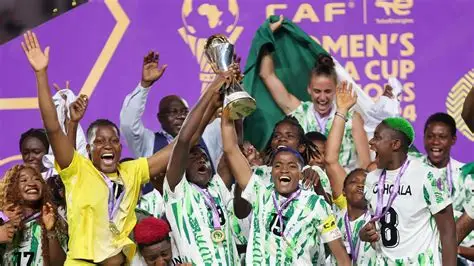
The Super Falcons built their own dynasty, winning the African Women’s Championship 11 times, including eight consecutive titles.
But this is not simply a story about a golden sporting past. Nigeria is still winning.
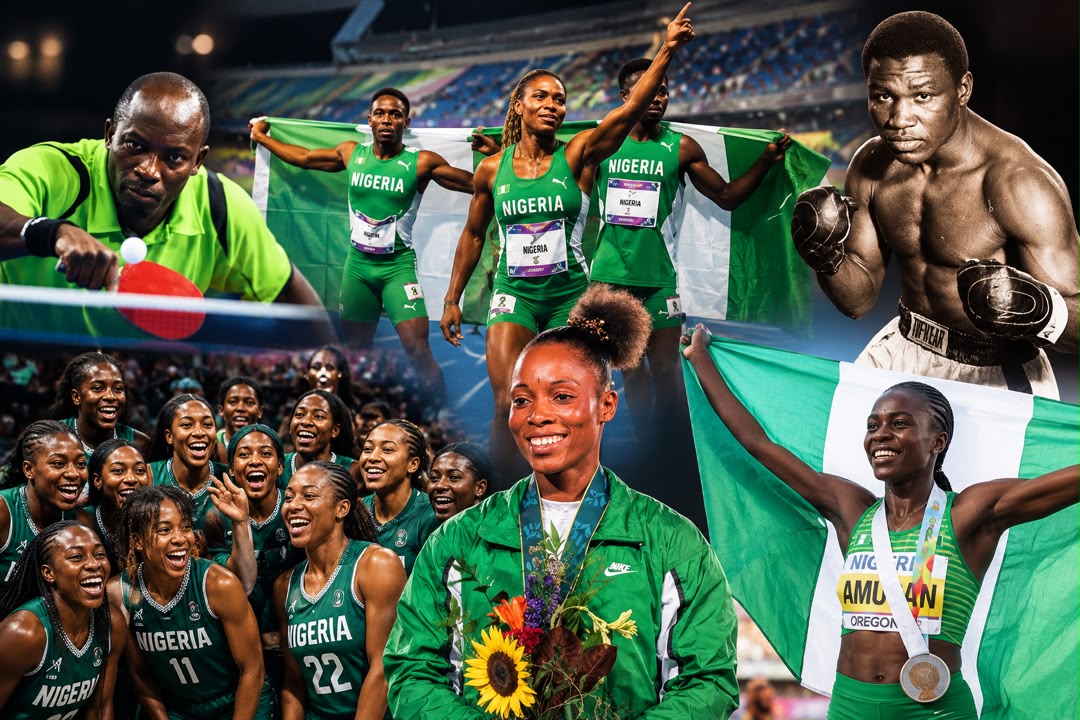
In 2023, D’Tigress won a fourth consecutive FIBA Women’s AfroBasket title, defeating Senegal 84–74 in the final and becoming the first team to win four editions in a row in the tournament’s history. A year later, the team went even further at the Paris Olympics. After defeating Australia and Canada, D’Tigress became the first African basketball team, male or female, to reach an Olympic quarter-final.
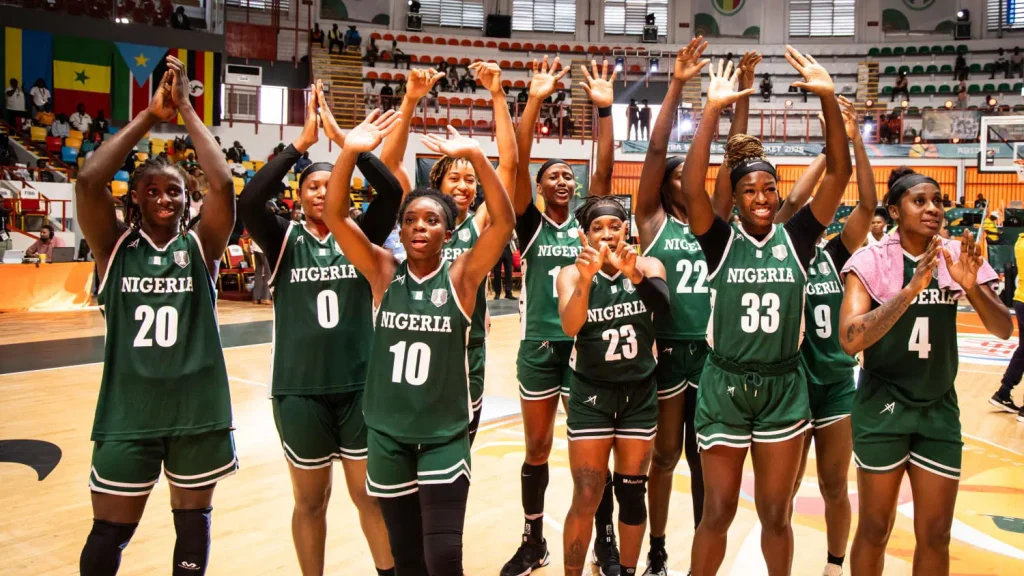
The Super Falcons also returned to the Olympics in Paris 2024 for the first time since 2008, although their campaign ended in the group stage.
At the Paris Paralympics, Mariam Eniola Bolaji made history by winning bronze in para badminton, becoming the first African athlete to win a badminton medal at either the Olympic or Paralympic Games.
And D’Tigress did not stop there. In 2025, Nigeria defeated Mali 78–64 to win a fifth consecutive Women’s AfroBasket title, a feat no country had previously achieved. Tobi Amusan also won silver in the 100m hurdles at the 2025 World Athletics Championships in Tokyo, adding another global medal to her career.
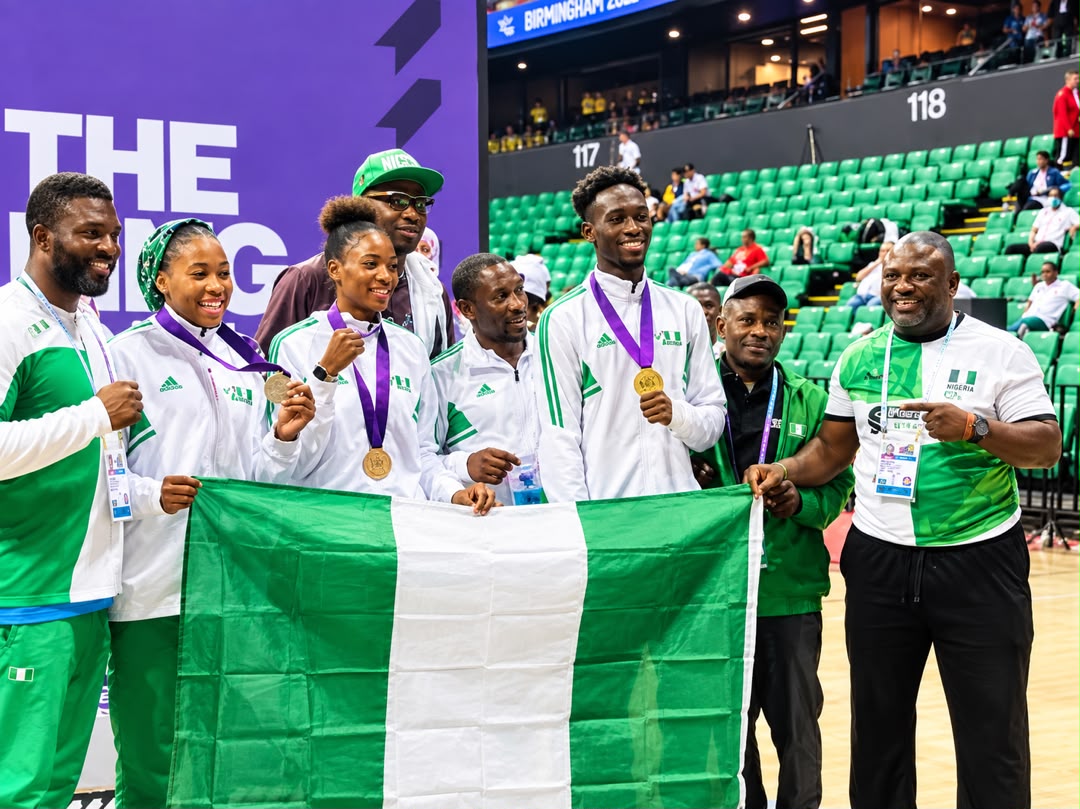
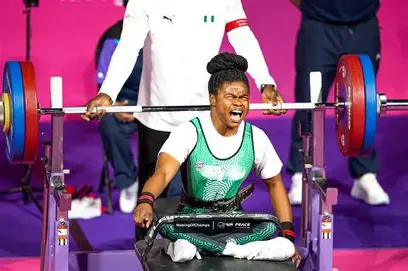
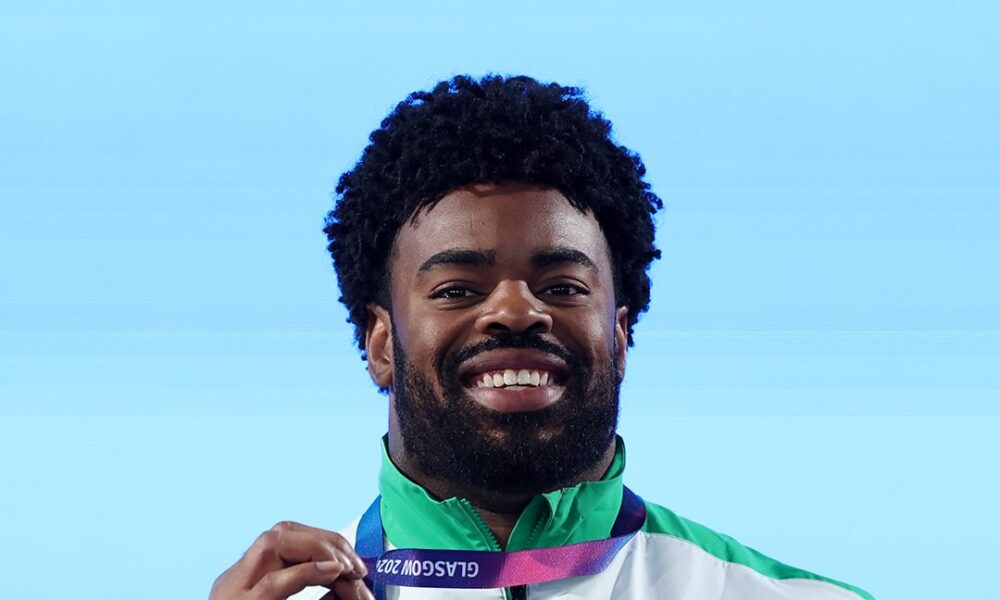
Then came Glasgow 2026. Team Nigeria returned from the Commonwealth Games with 24 medals, 10 gold, seven silver and seven bronze ,finishing seventh overall and as the highest-ranked African nation. The medals came across athletics, para athletics, weightlifting, para powerlifting and judo.
This is not a country short on ability. It is a country that has repeatedly produced individuals and teams capable of beating the world, often with strikingly little behind them.
The Pattern Beneath the Triumphs
The pattern becomes even clearer when the spotlight moves beyond the biggest names.
Nigeria won the inaugural FIFA U-16 World Championship in 1985, launching what would become one of the country’s most successful youth football programmes. The Golden Eaglets have since won the competition a record five times.
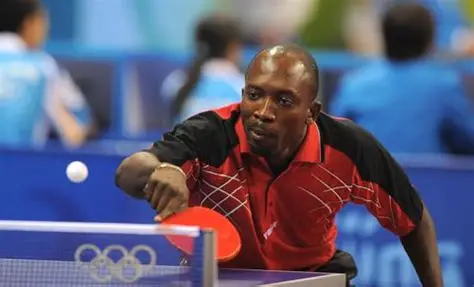
Segun Toriola competed at seven consecutive Olympic Games between 1992 and 2008, an extraordinary achievement that speaks to his longevity, discipline and individual commitment. But it also raises a larger question: how much of Nigerian sporting success has been sustained by individual resilience rather than by a structured national programme built around athletes?
Basketball tells a similar story. In 2012, D’Tigers became the first African men’s basketball team to qualify for the Olympics through the FIBA World Olympic Qualifying Tournament. They earned their place at the London Games after finishing among the successful teams at the tournament in Venezuela.
Yet D’Tigress’s more recent success also exposes the possibilities that exist when talent is given the right coaching, competition and preparation. Their historic Olympic quarter-final in 2024 was not simply a victory for one team. It was evidence of what Nigerian athletes can do when they have a platform capable of matching their ability.
Para-sport offers another powerful example. Nigeria has continued to produce medal-winning performances at the Paralympic Games across athletics, powerlifting and other events. Bolaji’s historic badminton medal in Paris showed that Nigerian success is not confined to the sports traditionally associated with the country.
The gap between output and input is, if anything, the most Nigerian story of all: individual brilliance overachieving against an inconsistent, sometimes indifferent system.
The Problem Is Not Just Football
It is tempting to make every conversation about Nigerian sport a conversation about football, because football is the country’s biggest sporting obsession.
But the evidence stretches far beyond the Super Eagles.
Nigeria has produced world champions in athletics, Olympic medallists in boxing and long jump, dominant African teams in women’s football and basketball, successful weightlifters and para-athletes, and athletes who continue to make history in sports that receive far less attention.
Tobi Amusan is a particularly striking example. At the 2022 World Athletics Championships, she set a world record of 12.12 seconds in the 100m hurdles semi-final before winning gold in the final with an even faster 12.06 seconds. That final time, however, was wind-assisted at +2.5m/s and therefore was not eligible as a world record.
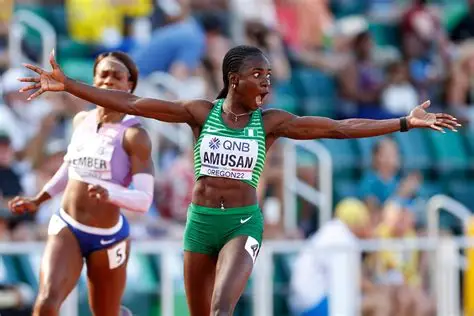
And her story did not end there. Three years later, she returned to the World Championships podium with silver in Tokyo.
At the 2026 Commonwealth Games, Nigerian athletes again showed the breadth of that talent. Samuel Ogazi won Nigeria’s first Commonwealth Games gold in the men’s 400m, Ezekiel Nathaniel won the 400m hurdles, Chukwuebuka Enekwechi took the shot put title, while para-athletes and weightlifters also delivered gold medals.
What 66 Years of Medals Should Have Taught Nigeria
Nigeria’s sporting history does not simply tell a story of failure. In many ways, it tells the story of a country that has succeeded in spite of the weaknesses around its athletes.
Think of Rashidi Yekini. Think of Chioma Ajunwa. Think of the Golden Eaglets. Think of the Super Falcons. Think of Tobi Amusan setting a world record in a semi-final before running an even faster, wind-assisted time in the final.
Think of D’Tigress, winning five consecutive African titles and becoming the first African basketball team to reach an Olympic quarter-final. Think of Mariam Bolaji becoming the first African badminton medallist at an Olympic or Paralympic Games. Think of Nigerian athletes returning from Glasgow in 2026 with 24 Commonwealth medals.
These are not isolated stories from a distant sporting past. They are recent evidence that the talent is still there. Yet talent cannot be a development strategy.
A country cannot keep discovering extraordinary athletes and then leave the structures around them to chance. It cannot depend indefinitely on individual sacrifice to compensate for weak grassroots pathways, inconsistent federation leadership, inadequate facilities and gaps in funding.
Sporting success should not begin when an athlete reaches the national team. It should begin years earlier, in schools, community pitches, local competitions, coaching programmes, sports academies and accessible facilities.That is where systems matter.
The Medals Are Telling Us Something
Nigeria’s sporting achievements since independence are impressive. But they are also revealing.
They show what Nigerians can do when talent meets opportunity. They show what individual discipline can achieve. And they show what is possible when the country gets the combination of coaching, competition, preparation and institutional support right. But they also expose what happens when those ingredients are missing.
The country does not need to search very far for evidence of its sporting potential. Its athletes have been providing it for 66 years, and they are still providing it today.
The harder question is whether Nigeria is willing to build the structures that allow that potential to become predictable rather than accidental.
If a nation with patchy grassroots sports funding, inconsistent federation leadership and facilities that have too often been left to decay can still produce decades of world champions, Olympic medallists, continental dynasties and historic performances, the question worth asking on this anniversary is not simply, “What has Nigeria achieved in sport?” It is: what could Nigeria have achieved, and could still achieve, if it finally built a system worthy of the athletes it keeps producing?
That is the real measure of 66 years. Not the medals on the shelf, but the ones left on the table.