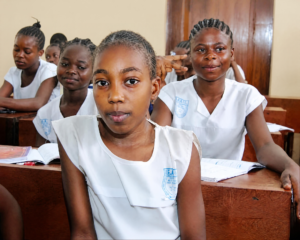


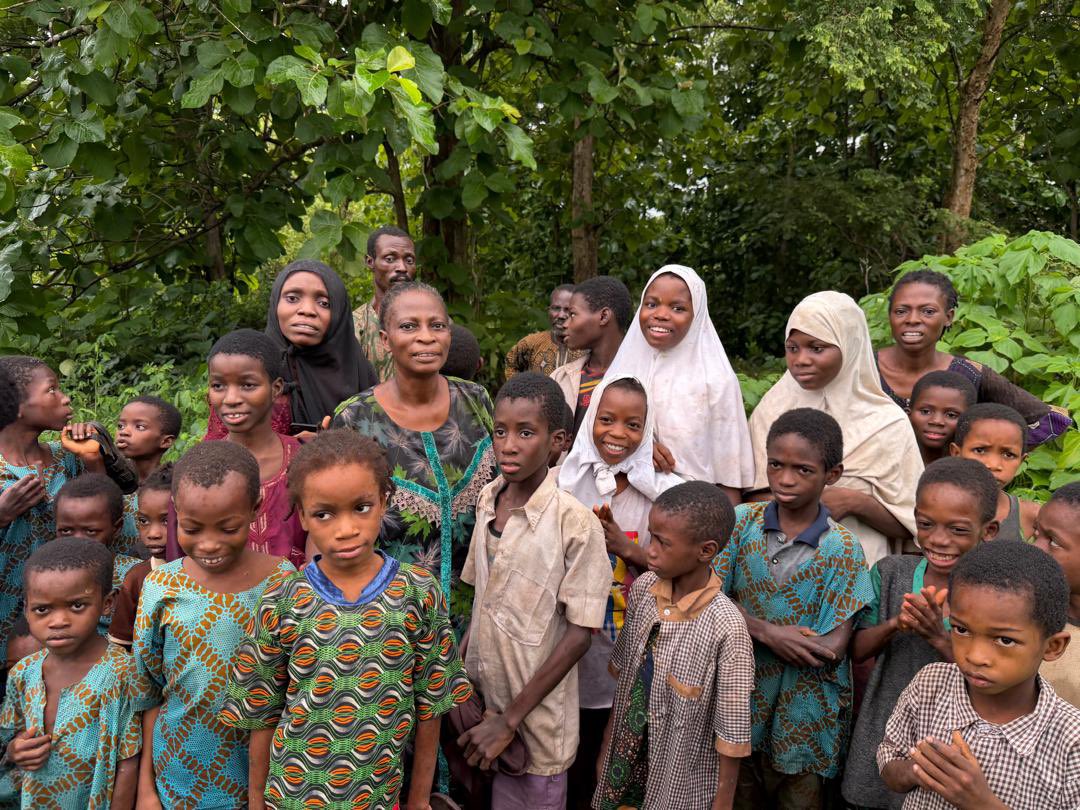
Trauma Therapy: Rescuing the abducted pupils and teachers alive was a triumph. What happens to their minds next will decide if that triumph holds
Fifty-six days. That is how long thirty-nine pupils and their teachers spent in the custody of armed men who stormed three schools in Oriire local government area of Oyo State, killing teacher Michael Oyedokun during their captivity. Fifty-six days is almost a school term. For a child, that is two months of missed childhood and normal life folded into a single unbroken stretch of fear.
They are home now. Nigeria should be relieved, and genuinely grateful to the security agencies who got them out alive without paying a ransom or trading a single terrorist commander for their freedom. But relief is not the same as recovery, and a rescue operation, however well executed, is only the first half of the job.
The operation deserves credit
Give credit where it belongs. Security agencies pulled off what officials themselves called a rare feat: a hostage rescue with no ransom paid, no prisoner swap, and eight suspected kidnappers arrested rather than negotiated with. But that outcome came at a cost. The Nigerian Army confirmed that security personnel were killed during the month-long operation. TDC extends its condolences to the families of security personnel who lost their lives in this operation. It is worth noting that the actual demands of the abductors were, for weeks, muddied by conflicting reports. Various accounts, attributed to unnamed security sources, claimed the kidnappers wanted a billion naira, weapons, and the imposition of sharia-related law.
But Mrs. Rachael Folawe Alamu, the school principal held alongside her pupils and teachers, directly refuted this from captivity, stating plainly that the abductors had made no such demands. According to her, the only thing they wanted was the release of some of their detained associates. That distinction matters. It means the eventual rescue was not a triumph over an extremist ultimatum but the resolution of a straightforward, if brutal, hostage standoff.
President Bola Tinubu, Governor Seyi Makinde, and the Catholic Bishop of Oyo Diocese have all rightly commended the operation. That commendation should stand. But it should also be the shortest section of this conversation, not the longest, because the country has a habit of treating rescue as the finish line rather than the starting point.
Trauma therapy is the actual finish line
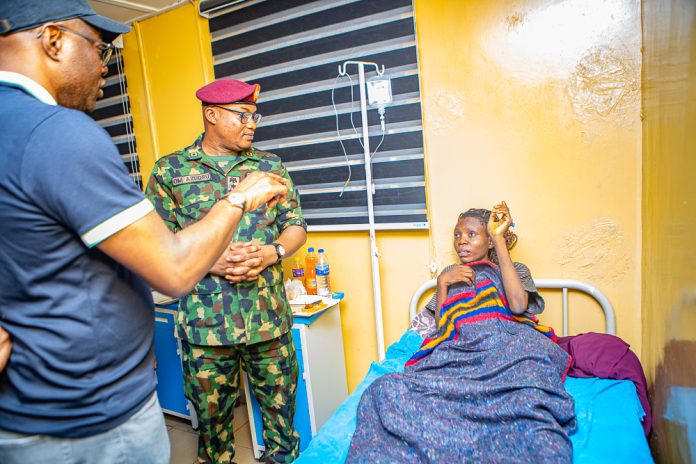
Consider what these children and teachers actually lived through. Their colleague and teacher, Michael Oyedokun, did not come home. They spent nearly two months uncertain whether they themselves would. Reports already describe one rescued girl repeatedly asking to see her mother in the hours after her release, a small but telling sign of how raw the psychological wound still is.
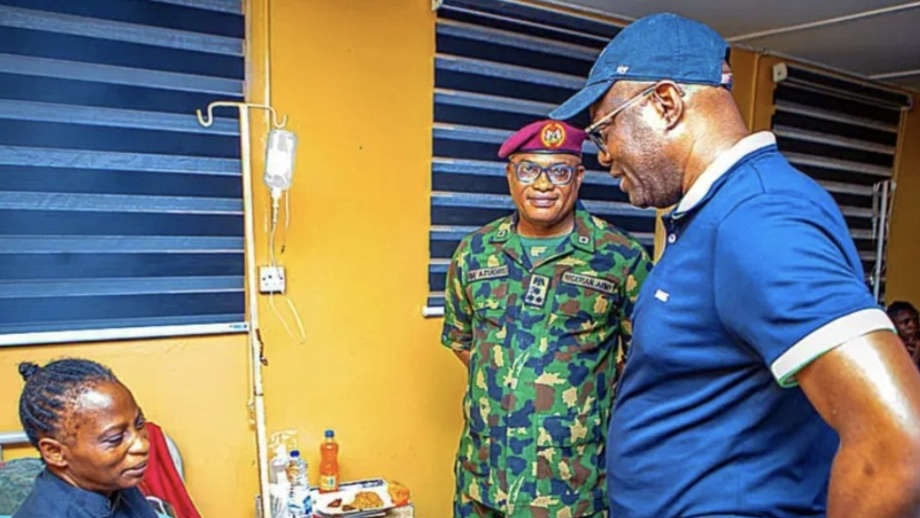
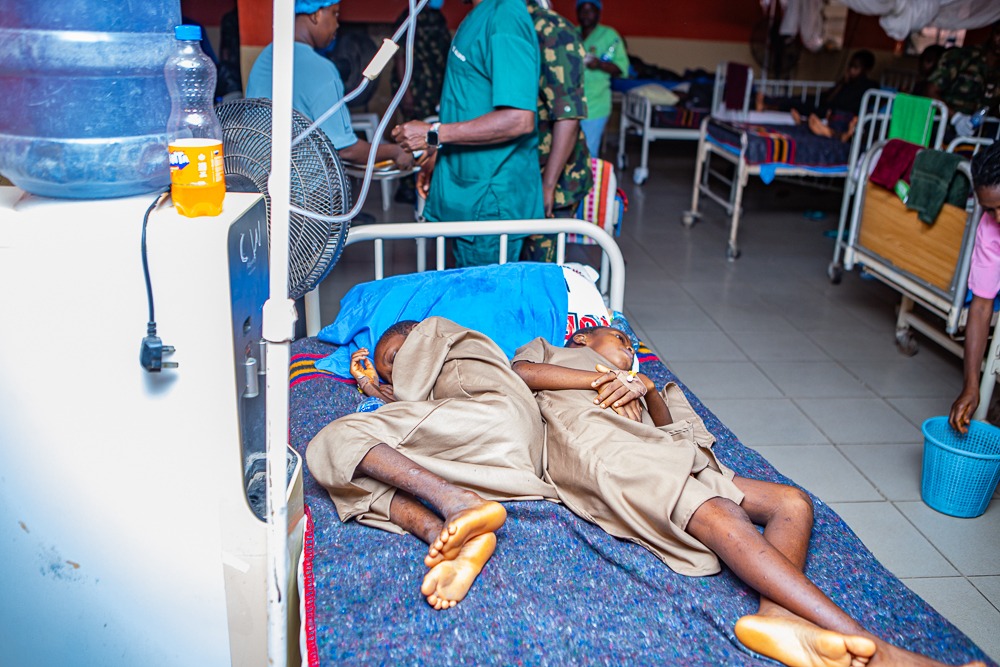
Military authorities have advised that the victims remain under observation for 48 hours before a full medical and psychological assessment is completed. That is a sound first step, and Tinubu has directed emergency agencies to provide medical care and psychological rehabilitation. The instruction exists. What Nigeria needs now is proof that it survives contact with bureaucracy.
Trauma of this kind, prolonged captivity, witnessed violence, the death of someone they knew, does not resolve itself once the cameras leave. Left untreated, it shows up later as nightmares, panic, withdrawal from school, and a fear of classrooms that no amount of goodwill from a state government can undo. Children who go through this need sustained, professional psychological care, not a single counselling session staged for a press release. Teachers who survived alongside their pupils need the same, and they need it without being expected to return to a classroom as though nothing happened.
What sustained care should actually look like
Genuine trauma therapy for the Oriire victims should include a few non-negotiables. First, individual and group counselling delivered by qualified psychologists, not one-off visits, but a programme that runs for months and checks in long after the news cycle moves on.
Second, a clear pathway back into education that does not force pupils into ordinary classrooms before they are ready, with flexibility for those who need a slower reintegration.
Third, support for the families, because trauma rarely stays contained to the person who experienced it directly; parents and siblings absorbed 56 days of fear too. Fourth, and this matters as much as anything, support for the surviving teachers, who are expected to model calm for their pupils while carrying their own unprocessed ordeal.
None of this is exotic. Other countries that have dealt with mass hostage situations involving children, however rare, have built exactly this kind of structured aftercare. Nigeria has the institutions, the Federal Ministry of Health, state emergency management agencies, and university psychology departments, that could deliver it. What has been missing historically is follow-through once the initial statements are issued and the photographs are taken.
The real test starts now
The Oriire case will likely be remembered as a rescue that worked, and it should be. But the real test of whether Nigeria has learned anything from this ordeal will not be visible in the press statements of the next fortnight. It will be visible in whether these pupils are still receiving proper psychological support six months from now, whether the surviving teachers are given the space and resources to heal, and whether the promise of medical and psychological rehabilitation becomes a documented, funded programme rather than a single line in a presidential directive.
Nigeria got these children and teachers out alive. Now it has to get them well.