

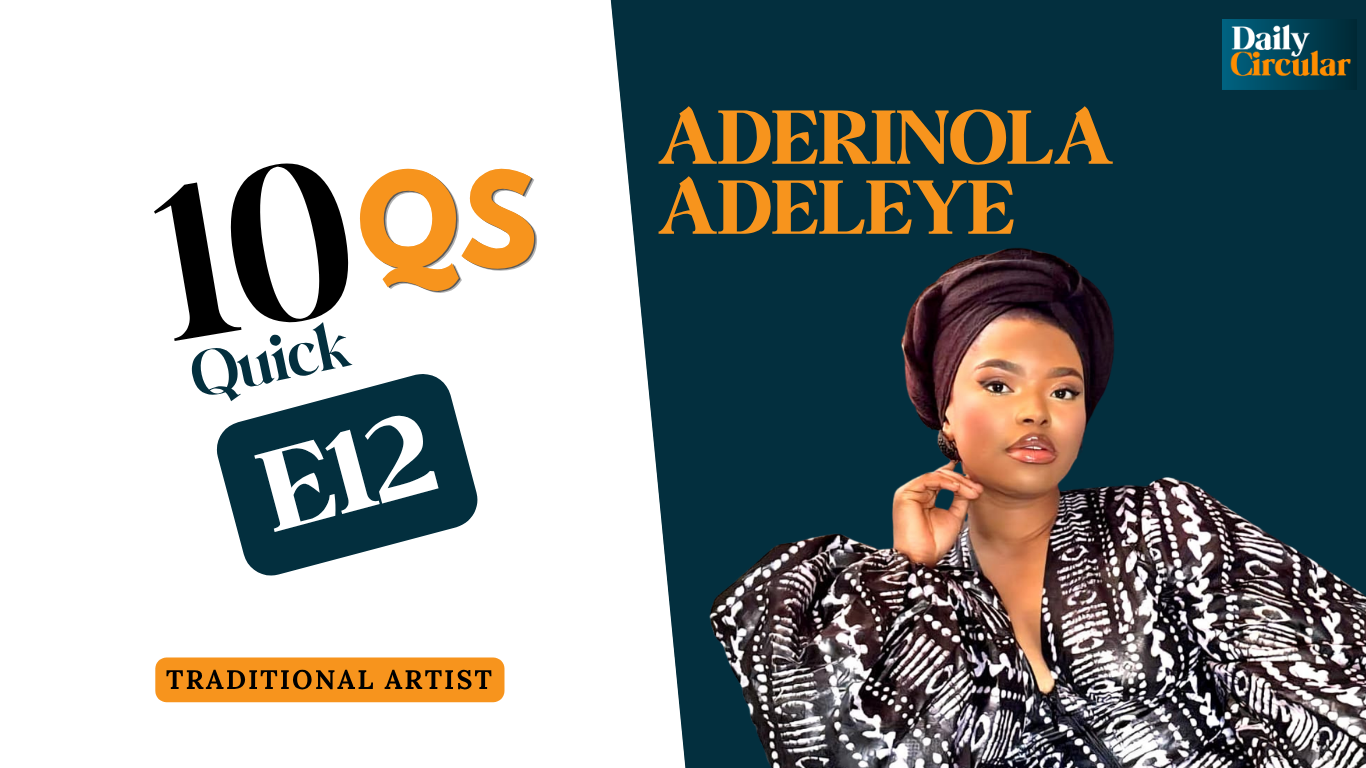
Aderinola Adeleye has built a body of work that does one thing above all else: make people feel hope.
Every week, we throw 10 questions at someone whose mind we find fascinating — the thinkers, founders, innovators, policymakers, builders, and culture-shapers quietly changing how we see the world and inspiring us to do things not just differently, but better-differently. First thoughts only.
This week, meet Aderinola Adeleye, a Lagos-based traditional artist who picked up a brush at nine and never really put it down. She studied Economics at the University of Sheffield, but art was always the plan. Self-taught in acrylic, oils, charcoal and graphite, she works at the intersection of faith and visual storytelling, drawing her deepest inspiration from the Holy Bible and her identity as a Christian.
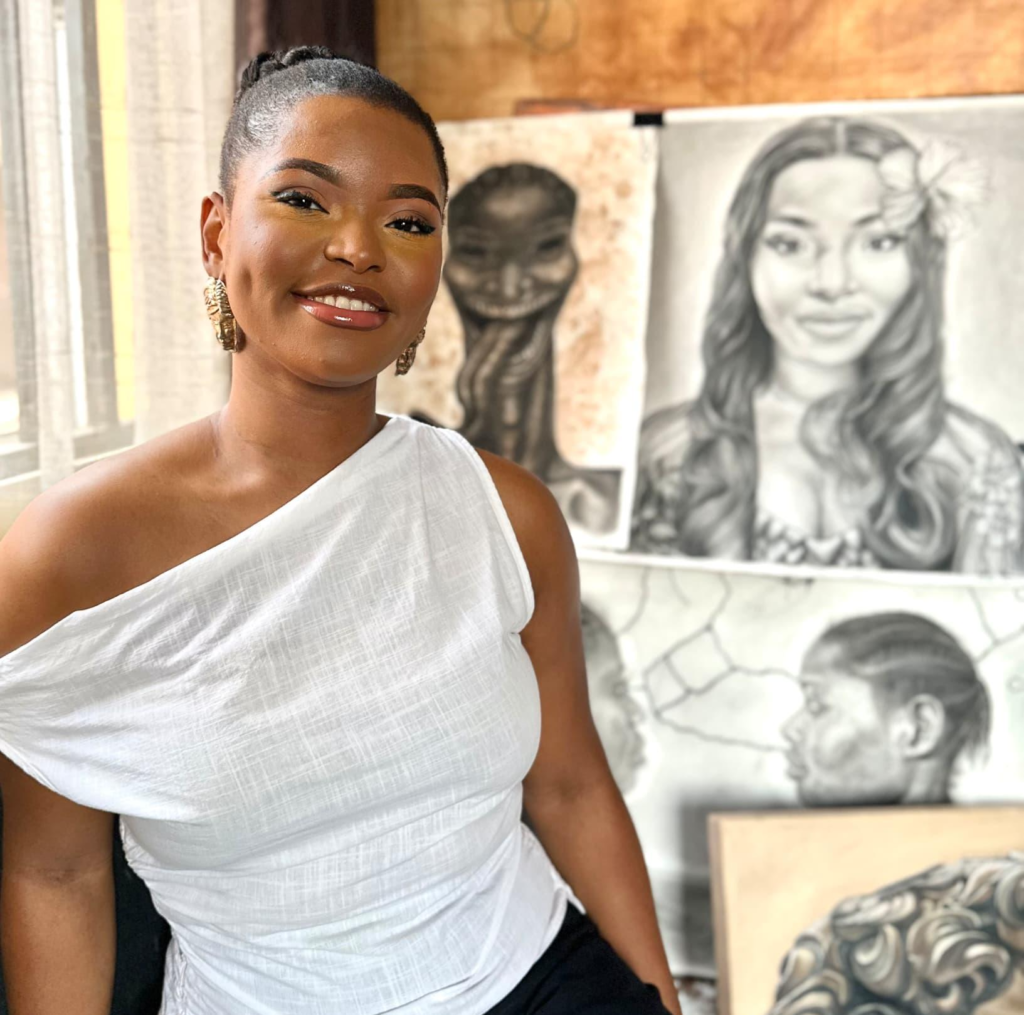
Her work does not shout. It invites. And for the people who find it, it tends to linger.
What does it take to pour your soul into a canvas and trust that the right people will find it?
Read as Aderinola shares her thoughts on faith, art, solitude, and the one thing she wants every person who encounters her work to feel:
From nine years old to traditional artist: how Aderinola Adeleye found her calling
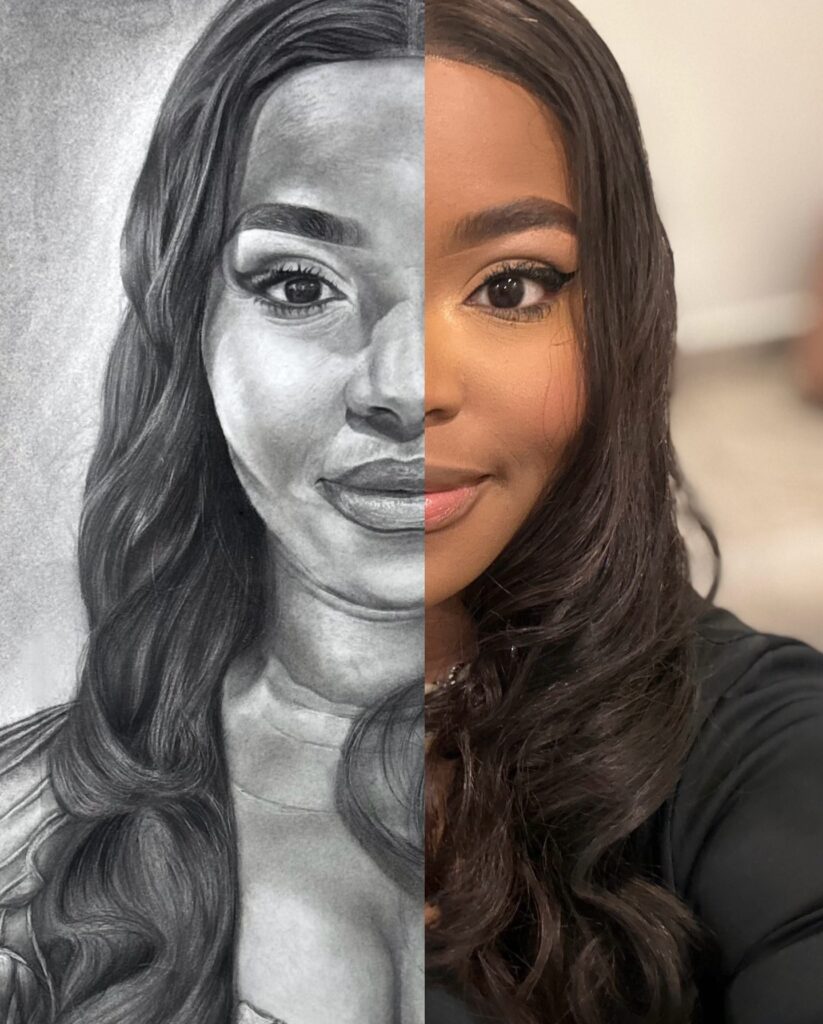
1. You started making art at nine. What was the first piece you made that made you think, “I actually have something here”?
I was quite young to understand what I was doing, but I knew I had a unique interest in art. Thanks to my art teachers in school who saw some potential, it made me aware of my skills.
2. You studied Economics at the University of Sheffield, one of England’s top universities. At what point did you decide that was not the life you were building towards?
My initial desire was to study art, but I was encouraged by my parents to study a more “lucrative” course and then go to art school later. The plan was to put art alongside a more “stable” career. That was the mutual ground my parents and I could meet on.
3. How did your family react when you chose art over a conventional career path, and has that reaction changed as your work has grown?
To my surprise, they have been so supportive. I think what also helps is the fact that they see my consistent and passionate drive in what I do. I have come to understand that in life, people will take what you do seriously only if you take what you do seriously.
Self-taught and intentional: the making of a traditional artist
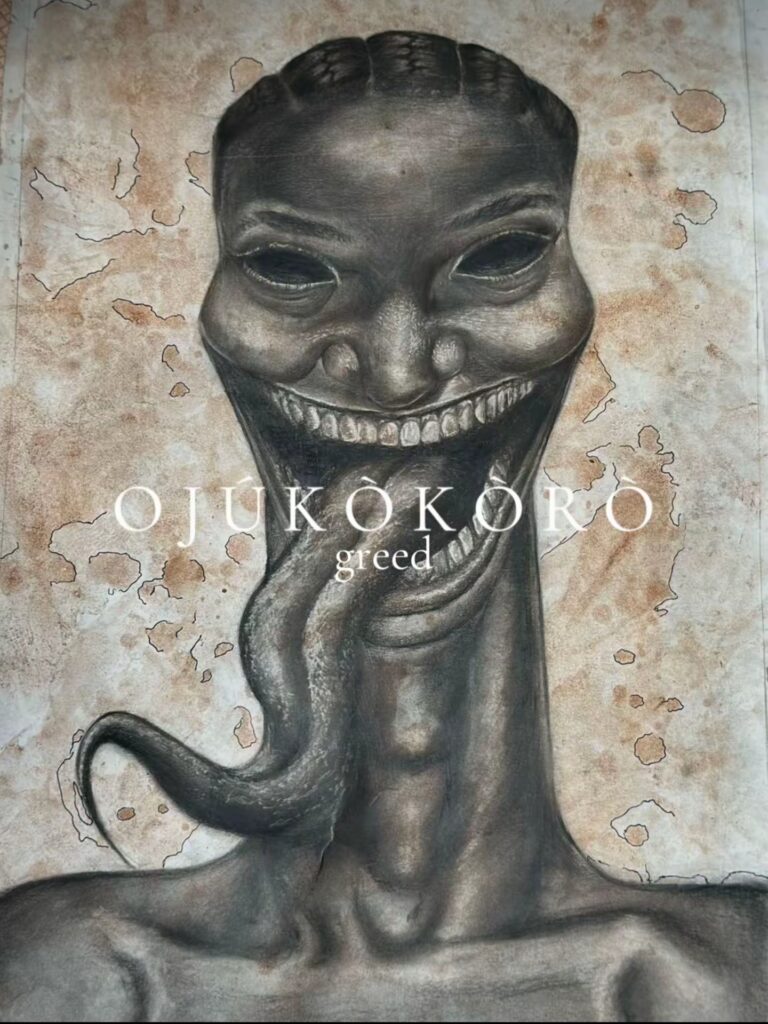
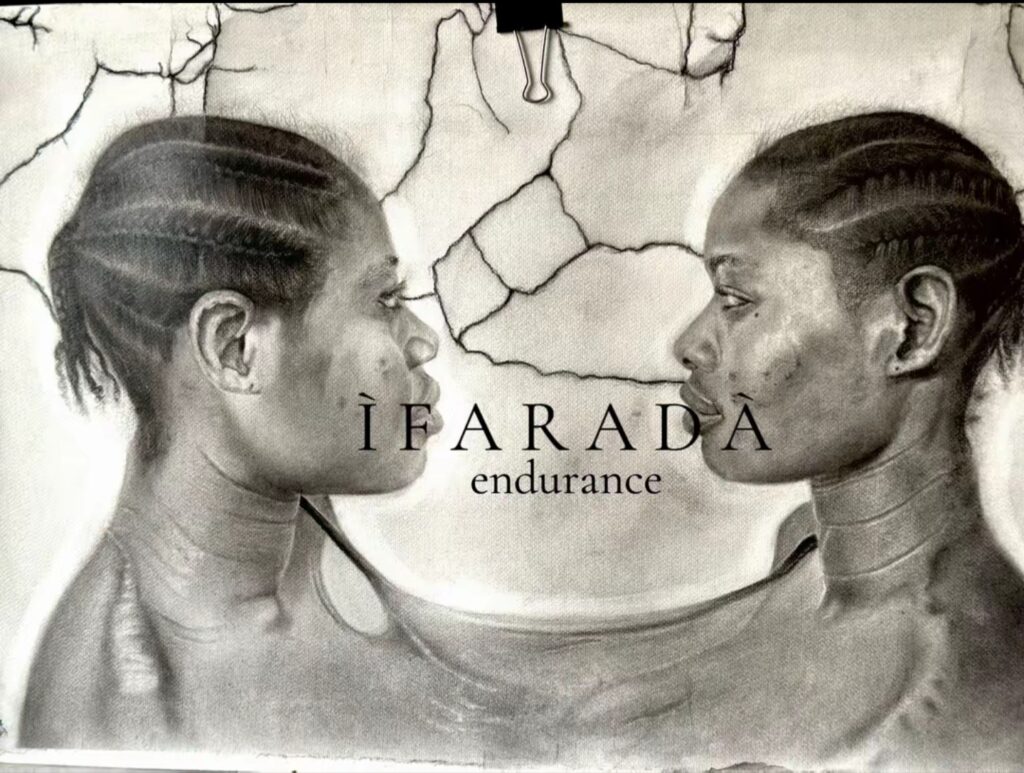
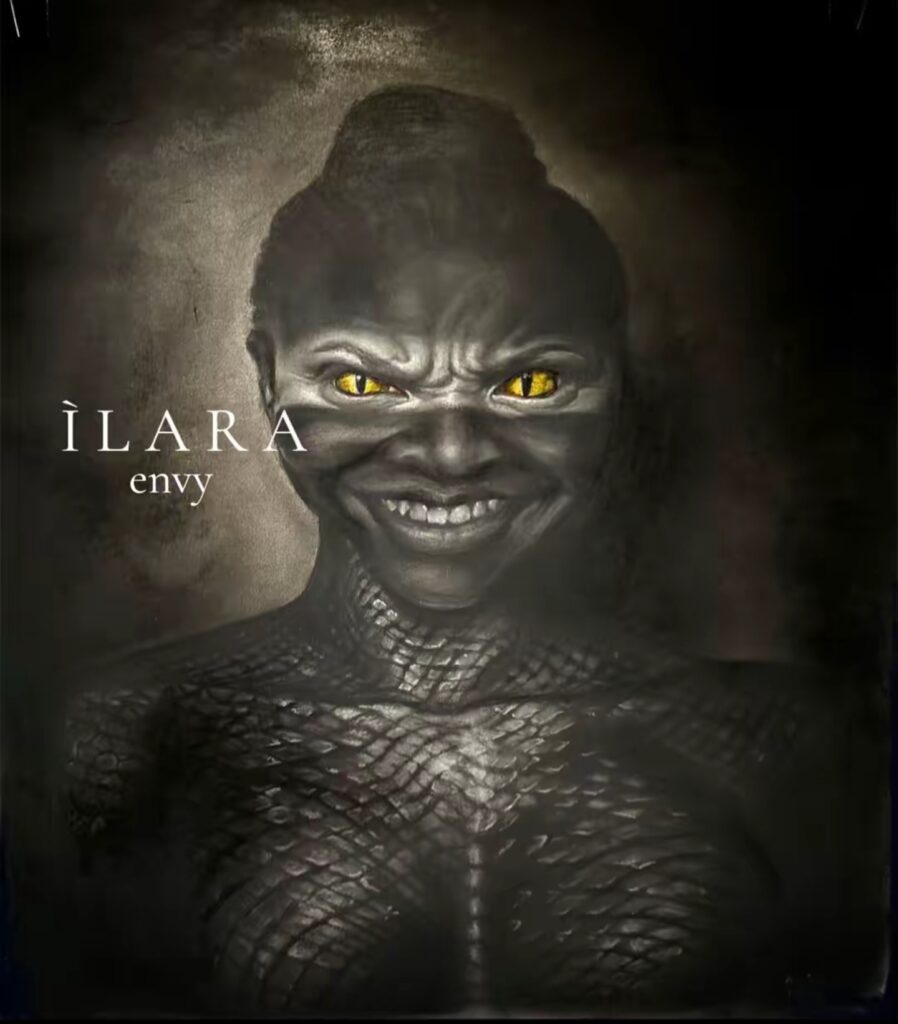
4. You are entirely self-taught. What is the one thing no class, tutor, or YouTube video could have taught you about your craft?
There are two components to art: the technical part and the creative side. YouTube and online materials have helped with the technical aspect of my work, and as a result I have a strong foundation. By myself I have been able to navigate my way through the creative aspect. I am discovering my art style and the ways I can tell stories through my work.
5. The Holy Bible is your biggest inspiration. Is there a specific scripture, story, or figure that keeps showing up in your work whether you intend it to or not?
Art is basically telling a story, and that story depends on the topics that resonate with you. Some artists even use their life experiences to create a body of work. My faith as a Christian is the very core of my life, and I love to use it to tell stories. Bible scriptures vary according to the story I want to tell.
Faith, solitude and the spiritual life of a Lagos artist
6. Has your faith ever conflicted with where your art wanted to go, and if so, who won?
I do not think I have gotten to that stage, yet where I can answer this question with my full chest, but so far I have been lucky to attract an audience that resonates fully with my work and engages accordingly. I believe if you align yourself with purpose, the right people will come to you.
7. Lagos is one of the loudest, most chaotic cities in the world. How does that energy find its way into work rooted in something as quiet as spirituality?
I am a complete introvert by nature and I have mastered the art of seclusion and the skill of aloneness. I know when and how to withdraw myself from people and the outside world, and just recuperate mentally, spiritually, and creatively. Most artists I know are introverts. It is in the stillness that ideas start flooding in.
The art market, the hustle, and why a traditional artist must stay unpredictable
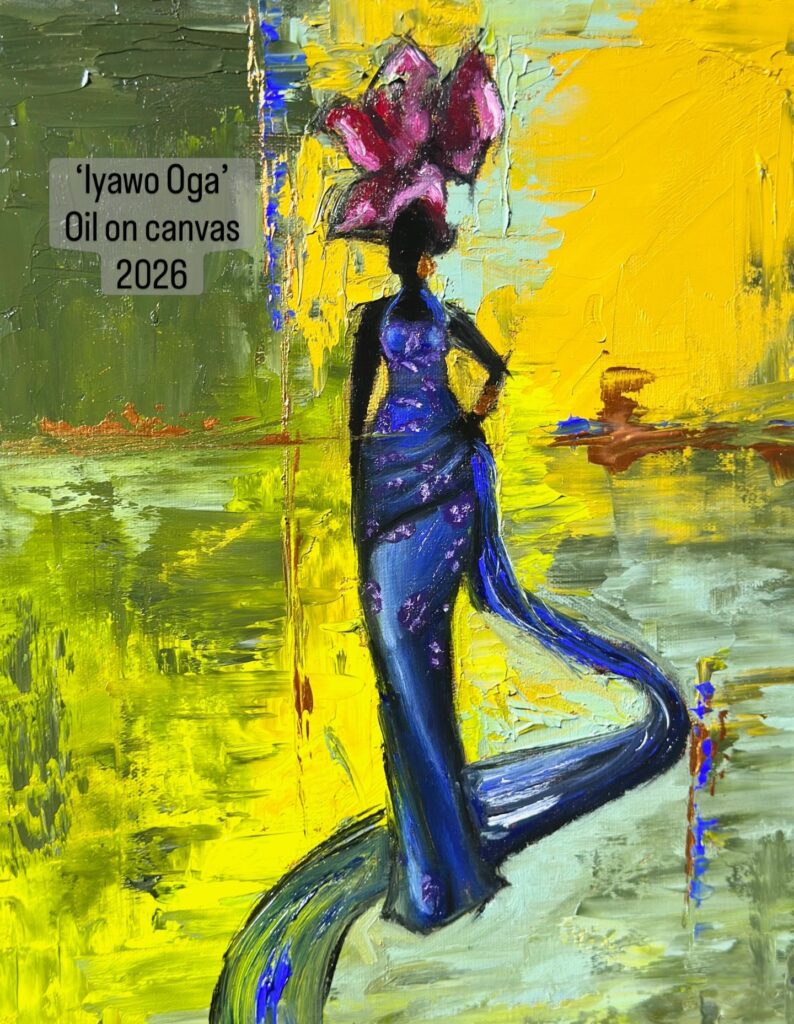
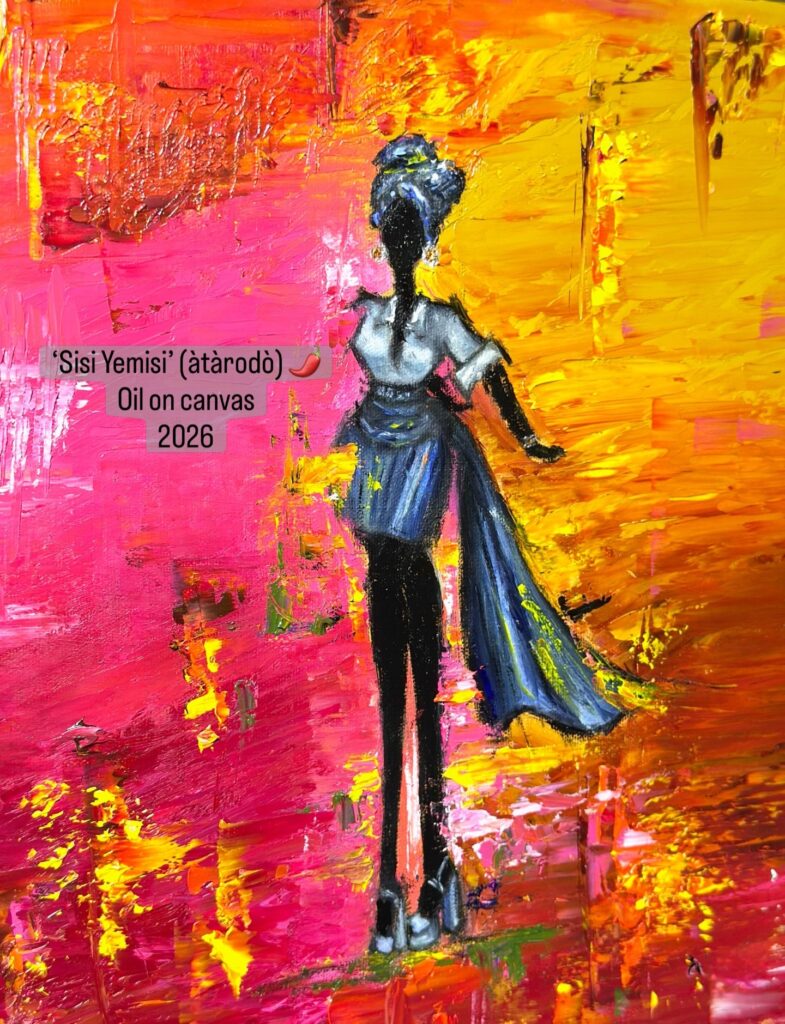
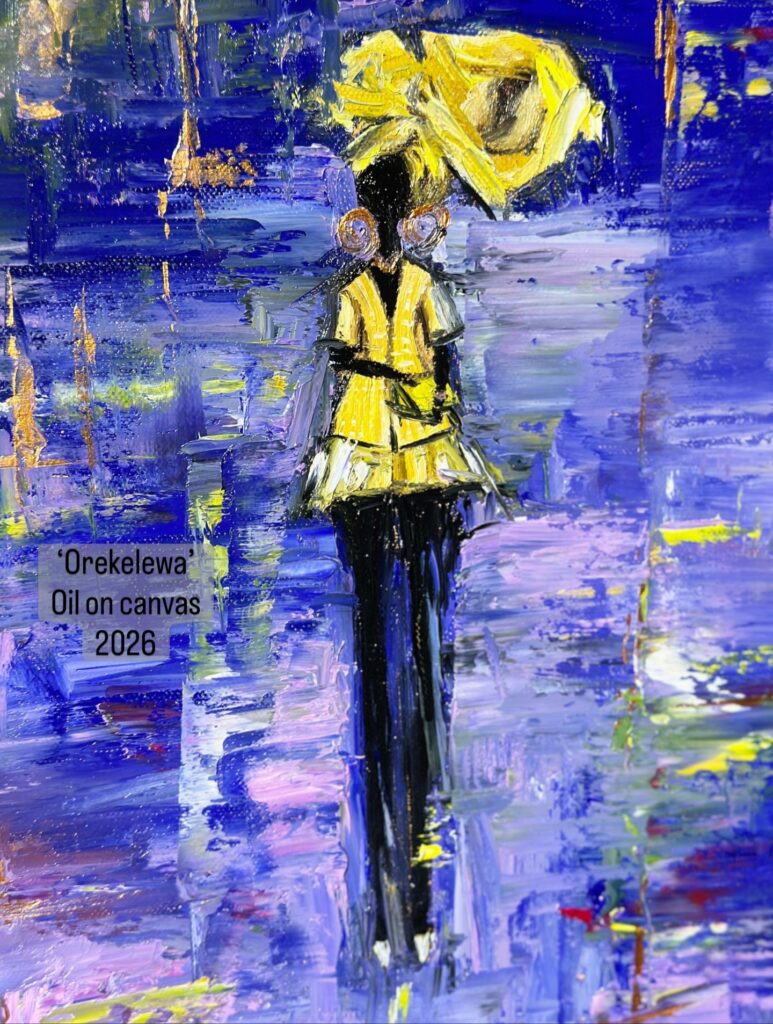
8. Is there a piece you have made that you have never been able to part with, and why?
All of them, honestly. Making an art piece feels like pouring my soul into it. A bond is created during the process. It is a thing — most artists find it very hard to let go of their work.
9. The art market in Nigeria is growing but still unpredictable. What has been the hardest business lesson you have had to learn as a working artist?
I used to think being consistent was enough, but a lesson I have learnt is: pivot. Do not keep yourself confined. Explore as many ways as possible so your voice, through your work, will be heard. You also have to be unpredictable. Our generation’s attention span is too short for you to be static, doing only what you are accustomed to. There are a million ways to get a particular result.
What Aderinola Adeleye wants every person who sees her work to feel
11. If your body of work could make the person who sees it feel one thing, just one, what would you want that to be?
Hope.
Connect with Aderinola Adeleye on IG: @abike_art