

Every week, we throw 10 quick questions at someone whose mind we find fascinating — the thinkers, founders, innovators, policymakers, builders, and culture-shapers quietly changing how we see the world and inspiring us to do things not just differently, but better-differently. First thoughts only.
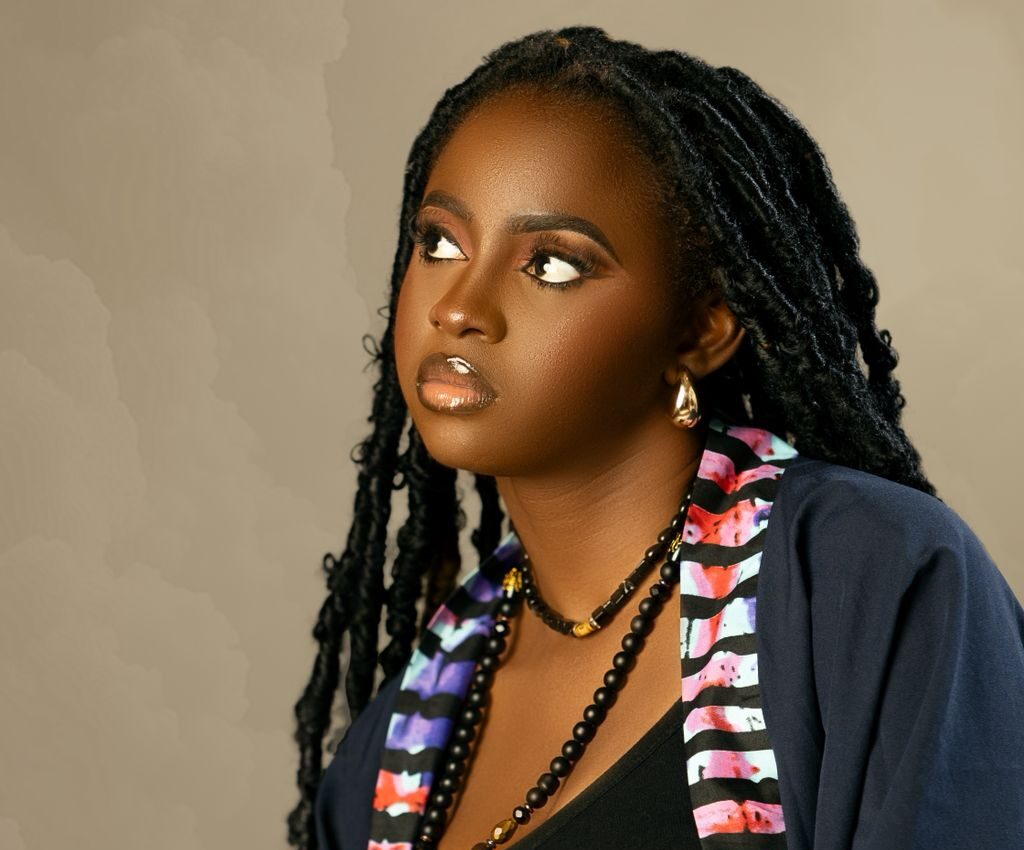
This week’s fascinating personality is Elizabeth KJ Umoru. Elizabeth is a Nigerian spoken word artist whose poetry lives at the intersection of emotion, observation, and advocacy. With a voice shaped by both personal vulnerability and the realities around her, she uses poetry not just as expression, but as a deliberate tool for change — confronting issues like gender-based violence and mental health awareness while capturing the depth of human experience.
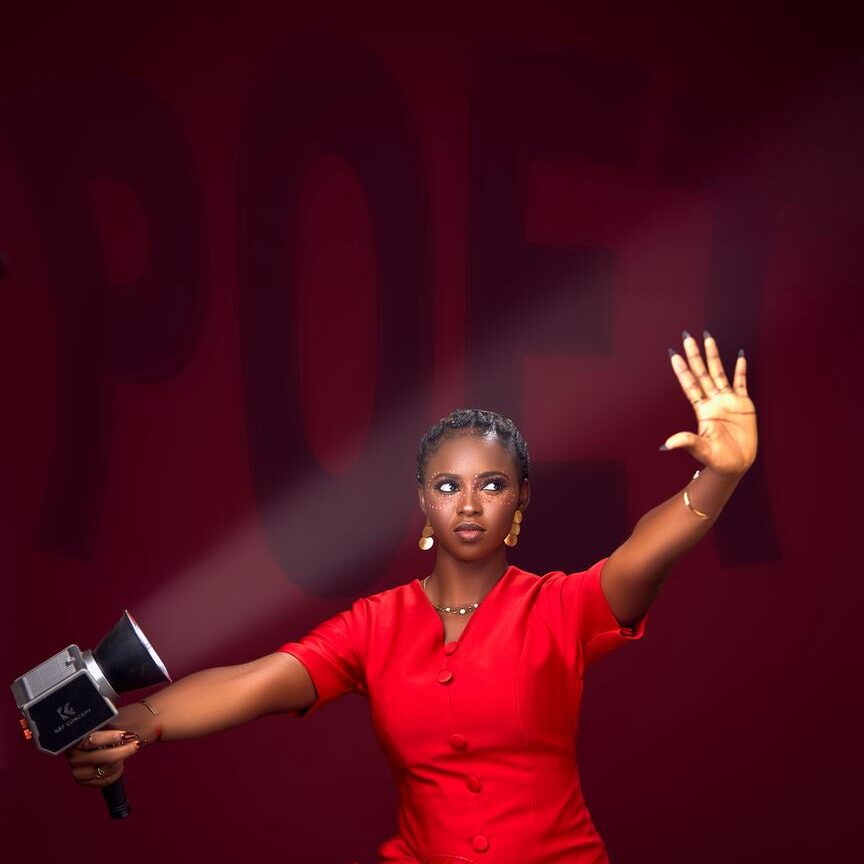
A graduate of English and Literary Studies from the University of Abuja, her work, shaped by both personal vulnerability and the world around her has evolved across slam stages and into collaborations with organisations like WIPO, SCIDaR, ActionAid, Amnesty International, Change.org, and the Heinrich Böll Stiftung. She also writes short stories and articles.
What does it take to turn words into something people don’t just hear, but feel?
Read as Elizabeth shares her thoughts on poetry, performance, and the power of speaking up:
1. At what point did poetry stop being just words for you and become a tool for change?
I don’t think I can point to a single moment. It was more of a gradual realization that every time I wrote, I was speaking up for something. So, I became more intentional about it.
2. When you perform, what do you hope your audience feels before they even understand the words?
I write my poems with so much emotions, like I am pouring my heart out. When I perform, I hope that my audience can feel that raw, unfiltered honesty. I hope they feel my vulnerability along with the message.
3. Who inspires your pen the most, and how does it show in your work?
My poetry has been influenced by Andrea Gibson, and that influence shows in the melancholic tone of my work. Lately, though, I’ve begun to explore beyond that.
4. As a spoken word artist, what moment on stage made you realise your voice could carry real influence beyond performance?
It isn’t exactly about a moment on stage, it is the moments after the stage. The people that walk up to you to share their stories or those that run into you elsewhere and tell you they remember you for something you said on stage.
5. As someone who has competed in major slam stages, how have those spaces shaped your identity as a poet?
Competing in slams helped me to always be on my feet. Hearing the depth and quality of thought in my peers’ work pushed me to become a better writer, especially as a young poet.
6. What’s one issue affecting women and girls in Nigeria that your poetry refuses to stay silent about?
Gender based violence.

7. What’s a poem you wish you’d written, and what does it do that you’re still trying to learn how to do?
It’s hard to choose. Andrea’s poetry does this to me. Their ability to write their life into poems in a way that makes you want to live. It’s something truly powerful that I am learning to do.
8. What’s the relationship between rhythm and meaning in your work—do you write first and find the cadence later, or does a beat or flow sometimes arrive before the words?
When I first started writing, I was very intentional about finding words that fit a specific rhyme scheme. Now, it feels almost instinctive. I don’t force rhymes anymore, I just know when a line would sound better with one, and it falls into place.
9. How much of your writing comes from personal experiences, and how much from the realities you observe around you?
70% of my writings come from the realities around me. I’ve learned to capture the world not just through my own lens, but through others’ as well.
10. Nigerian spoken word often straddles English, Pidgin, and indigenous languages. How do you navigate these linguistic possibilities, and decide which tongue(s) a poem belongs to?
When I approach a theme, I consider the realities tied to it and the audience I want to reach. Those factors guide my choice of language and shape the style of the poem.
Connect with Elizabeth KJ Umoru on IG: @_elizabeth.kj