


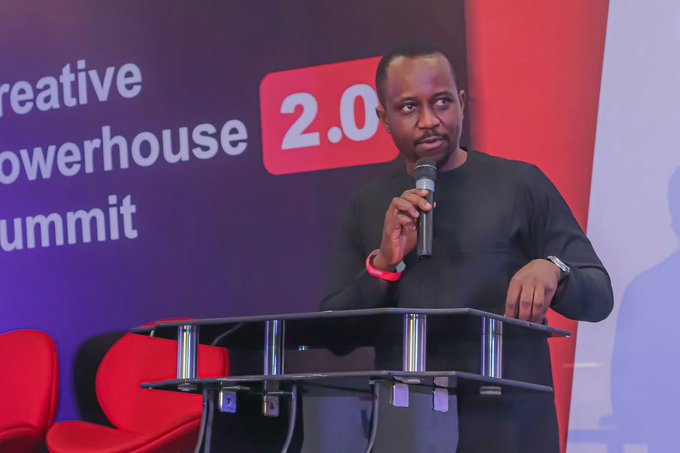
Ife Adebayo says the federal government-backed programme is designed to address skills, capital and structural gaps limiting Nigeria’s digital and creative economy.
The Federal Government’s Investment in Digital and Creative Enterprises (iDICE) programme will train thousands of Nigerians in industry-specific skills and establish 66 enterprise support systems in universities and polytechnics as part of efforts to strengthen the country’s digital and creative economy.
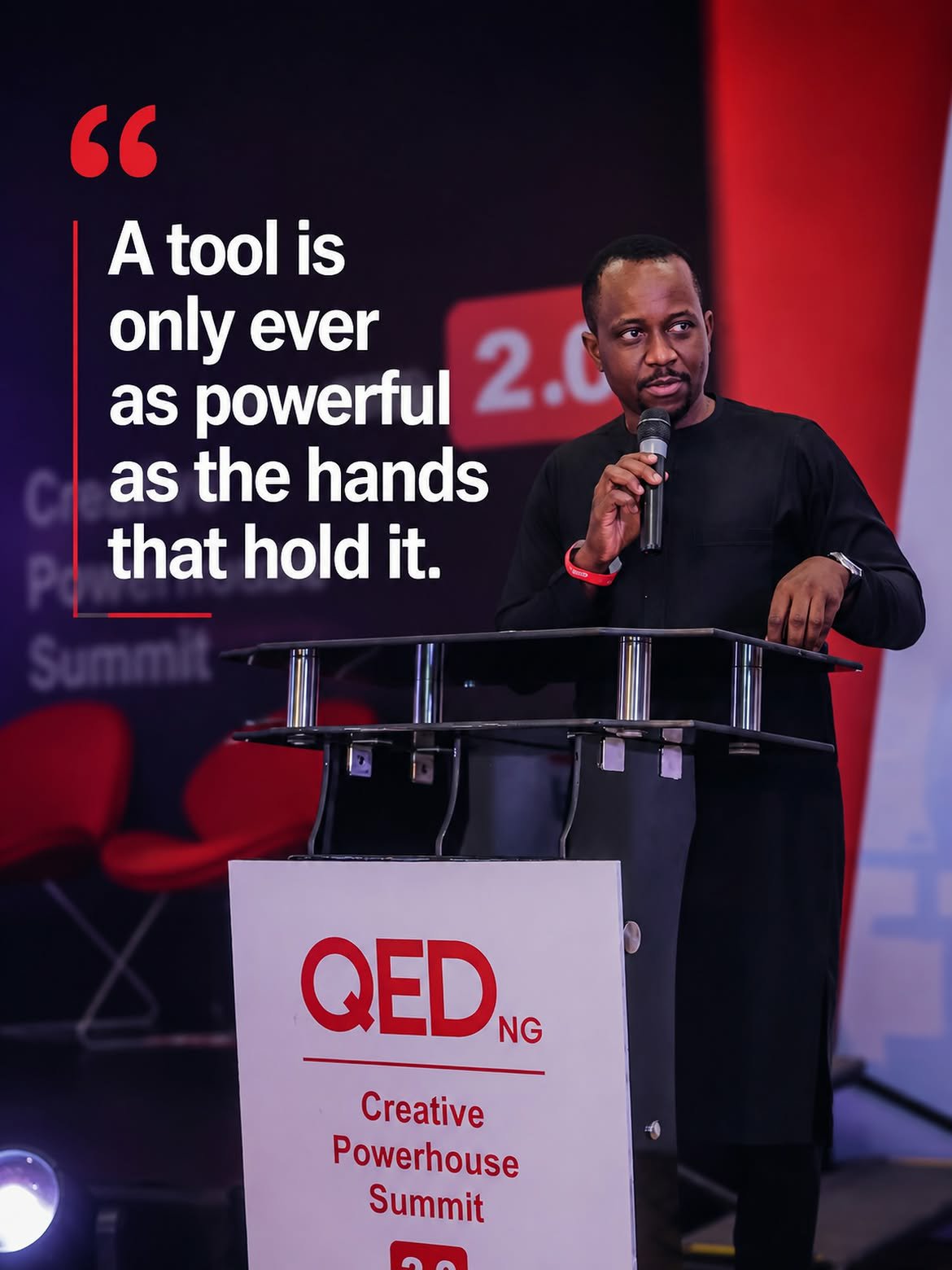
Ife Adebayo, national coordinator of the iDICE programme at the Bank of Industry, disclosed this while delivering the keynote address at the QEDNG Creative Powerhouse Summit 2.0 in Lagos on August 11, 2026.
Speaking on the theme, “Creativity, Culture and Nigeria’s Next Chapter”, Adebayo said Nigeria has abundant creative talent but continues to face three major constraints: skills, capital and structure. He said iDICE was designed to provide practical solutions to these challenges.
iDICE targets skills gap
Adebayo said the programme would focus on training Nigerians in “specific bankable crafts, not certificates”, particularly skills required across film sets, studios and other parts of the creative industry.
He said iDICE would also work with enterprise support organisations to help startups develop beyond the early stages of their businesses.
According to him, the programme is working with universities and polytechnics because they host a large concentration of young Nigerians, with 66 enterprise support systems currently being established within the institutions.
Adebayo said the initiative was also designed to address the problem of unused infrastructure in tertiary institutions by requiring participating institutions to work with private-sector partners.
He explained that the partners would operate the facilities for three years and develop sustainability frameworks to ensure the centres remain functional after the initial partnership ends.
iDICE addresses creative capital
Adebayo also identified access to capital as a major barrier preventing Nigerian creatives from turning their talents into sustainable businesses.
He said iDICE was building what he described as a “real financial staircase” through two pools of funds, including an equity pool with a dedicated technology fund.
The programme, he explained, requires fund managers to match investments from iDICE, meaning that every dollar provided through the programme must attract another dollar from other sources.
The approach is intended to move beyond short-term support and help create businesses capable of attracting additional private investment.
iDICE seeks to structure creative businesses
Adebayo said Nigeria’s creative sector has demonstrated its ability to generate economic value despite limited institutional support.
He cited the growth of Nollywood and Nigeria’s broader creative economy, noting that the sector has generated significant employment and economic output. He argued that Nigeria’s challenge is not a lack of talent but the absence of structures that can properly finance, organise and scale that talent.
He pointed to South Africa and South Korea as examples of countries that have developed stronger systems around their creative industries. According to Adebayo, South Africa’s creative industries contribute close to three per cent of its GDP, while South Korea deliberately pursued a national strategy to export its culture.
He said Nigeria could achieve similar results if it treated creative talent as an industry rather than merely as a source of entertainment.
iDICE links talent to enterprise
Adebayo said the goal should be to create a pathway through which Nigerian creatives can transform their skills and ideas into bankable enterprises.
He identified cinematography, animation, product management and other technical roles as areas where skills shortages continue to affect the industry. He also noted that intellectual property protection and access to appropriate financial structures remain important to building sustainable creative businesses.
He said the iDICE programme was designed to address these gaps by combining skills development, enterprise support and access to capital.
iDICE aims for long-term creative growth
Adebayo said the programme is a Federal Government initiative funded by the African Development Bank, Agence Française de Développement, Islamic Development Bank and the Bank of Industry, under the oversight of Vice-President Kashim Shettima.
He said the objective is not simply to train young Nigerians but to create enterprises that can survive, attract investment and compete globally.
For Adebayo, the measure of success will ultimately be whether the institutions and support systems being created today produce new technology companies and creative enterprises capable of showcasing Nigerian talent to the world.