

The Nigeria Centre for Disease Control and Prevention (NCDC) confirms the Bundibugyo virus behind the DRC outbreak, but the official who described the patient did not disclose her nationality.
An official at an emergency meeting in Abuja on Wednesday said the woman diagnosed with Ebola in the Federal Capital Territory (FCT) is a diplomat whose condition has deteriorated into “multi-organ failure”. The official did not reveal her nationality.
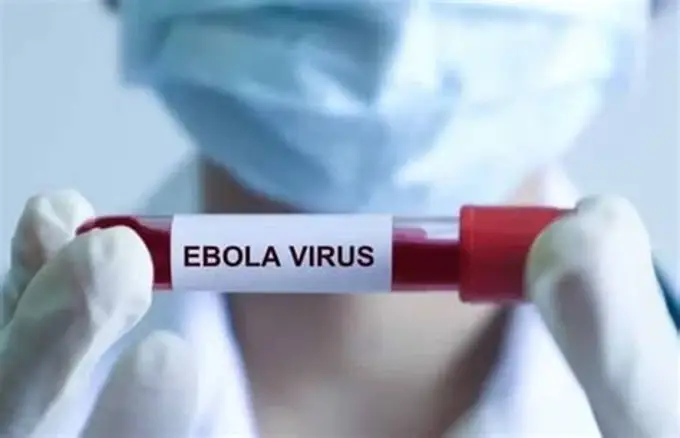
The Nigeria Centre for Disease Control and Prevention (NCDC) separately confirmed the virus involved. Olajumoke Babatunde, the NCDC’s director of public health laboratory services, said three rounds of molecular testing were done and that the virus is the same one behind the outbreak in the Democratic Republic of the Congo (DRC). “The strain was Bundibugyo,” she said.
What officials have said about the Ebola patient
The NCDC said the patient travelled from Uganda to Abuja on 3 October. Health Minister Ali Pate has said her symptoms began on 7 October, she sought care at a private hospital in Abuja on 11 October, and the infection was confirmed on 20 October.
Pate said she received care for several days before the diagnosis was confirmed. WHO said infection prevention and control was being “ramped up” at the hospital.
Pate said 44 close contacts had been identified, including healthcare workers, patients, caregivers and travel contacts. They are being monitored.
Uganda’s health ministry has offered a different account of her background. It says she is a Nigerian who travelled to eastern DRC for business and transited through Uganda in early October. It says the location of exposure remains under investigation.
Unanswered questions about the Ebola patient
The official’s disclosure raises questions that authorities have not addressed publicly:
- Which country or organisation she represents, and whether the diplomatic status is Nigerian or foreign.
- Why the official who made the disclosure was not named.
- How the diplomatic description fits Uganda’s account of a business trip to eastern DRC.
- When she travelled to the DRC, if she did, and whether contact tracing has extended to people on her flights.
Her nationality matters for coordination. If foreign missions or international organisations are involved, they will need to be part of contact tracing and case management.
What is known about the Bundibugyo virus
Bundibugyo virus was first identified in Uganda in 2007. It spreads through direct contact with the body fluids of an infected person or with contaminated materials. WHO says there is no vaccine or specific treatment for it.
The DRC outbreak is the deadliest in that country’s history, with 4,381 deaths among more than 9,000 confirmed cases, according to health authorities there. Africa CDC director general Jean Kaseya on Tuesday called the situation “an extremely serious threat”. Nigeria is the fifth country to detect the virus since the outbreak was declared on 15 May.
Kenya’s health ministry puts the incubation period at up to 21 days. Contacts in Nigeria will therefore need monitoring for weeks. Further updates are expected from the NCDC and the Federal Ministry of Health.