


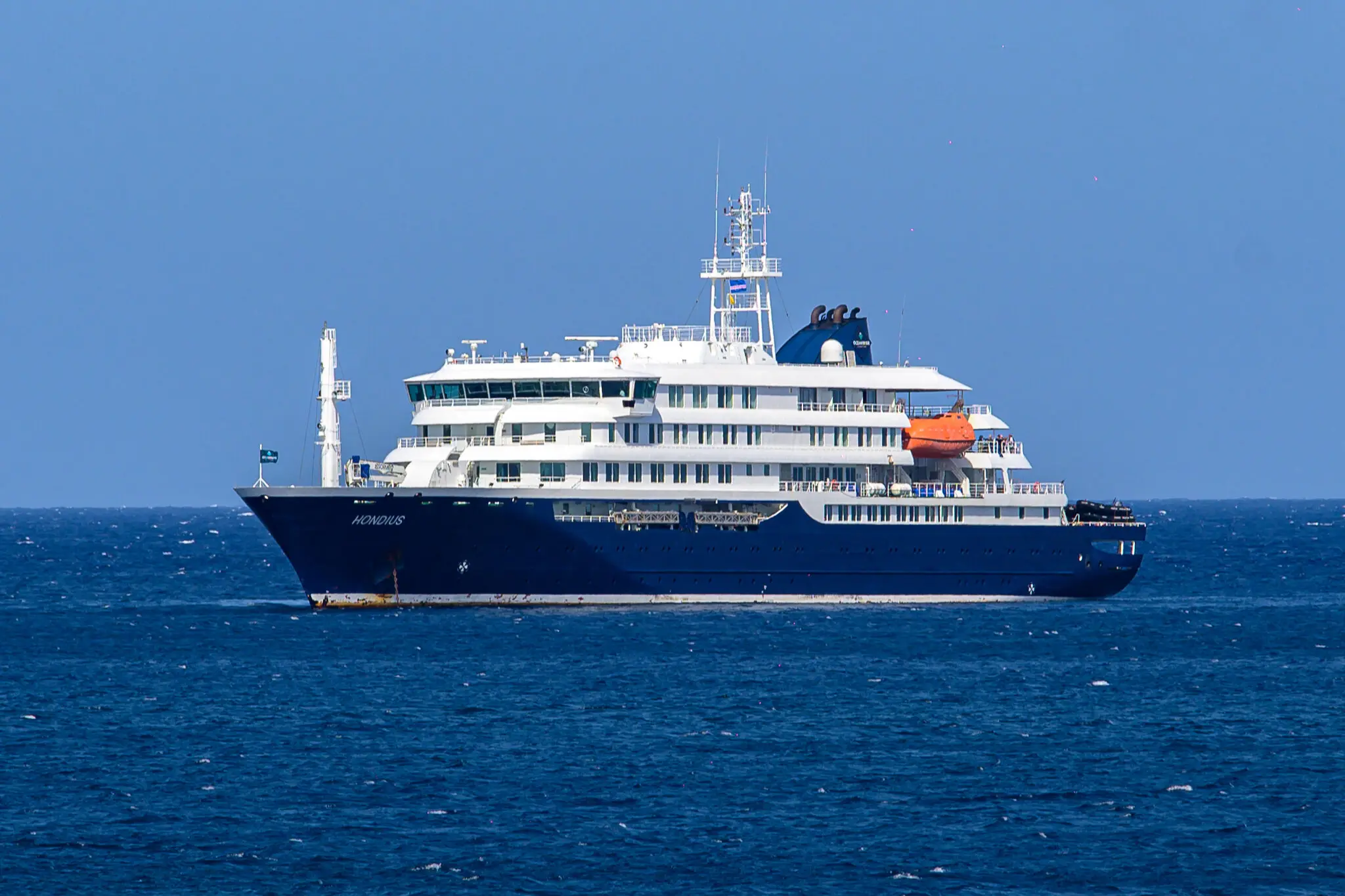
A rare outbreak of hantavirus aboard the Dutch-flagged cruise ship MV Hondius has killed three people and infected at least seven others during a voyage across the South Atlantic.
Here is how events unfolded:
- Before departure
Investigators now believe a Dutch couple contracted hantavirus from rodents during a bird-watching tour at a landfill in Ushuaia, Argentina, days before the ship’s departure. Both are now deceased.
However, this theory faces scrutiny as Argentine authorities confirmed the surrounding province of Tierra del Fuego has never recorded a hantavirus case.
- 1 April 2026
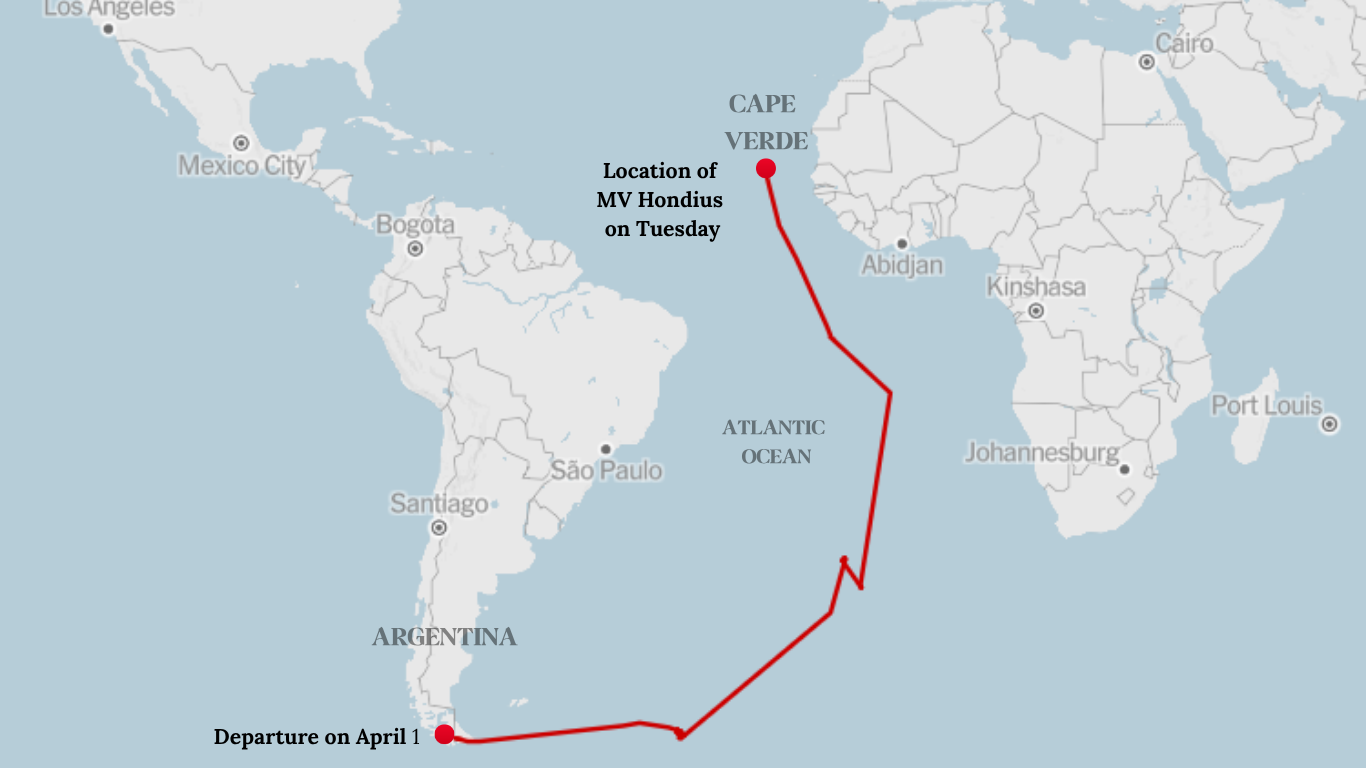
The MV Hondius, carrying 88 passengers and 61 crew members from 23 nationalities, departed Ushuaia, Argentina, for a month-long expedition across the South Atlantic. The itinerary included stops at Antarctica, the Falkland Islands, South Georgia Island, Nightingale Island, Tristan da Cunha, Saint Helena, Ascension Island and Cape Verde, before heading to the Canary Islands.
- 6 April
The first passenger, an adult male, developed symptoms of fever, headache and mild diarrhoea whilst on board.
- 11 April
The same passenger developed respiratory distress and died on board. He was a 70-year-old Dutch man. No microbiological tests were performed at the time. His wife, a 69-year-old Dutch woman, was identified as a close contact.
- 23-24 April
The ship made a two-day stop at Saint Helena, a British Overseas Territory in the South Atlantic. During this stop, 23 passengers disembarked and dispersed globally, including to Australia, Taiwan, the United States, England and the Netherlands. Many were unaware of their potential exposure to the virus.
- 24 April
The body of the 70-year-old Dutch man was removed from the vessel at Saint Helena for repatriation to the Netherlands. His wife went ashore with gastrointestinal symptoms.
A British passenger presented to the ship’s doctor with febrile illness, shortness of breath and signs of pneumonia.
- 25-26 April
The Dutch woman’s condition deteriorated during a flight from Saint Helena to Johannesburg, South Africa. She collapsed at O.R. Tambo International Airport and was taken to a health facility, where she died on 26 April.
- 27 April
The British passenger’s condition worsened. He was medically evacuated from Ascension Island to South Africa, where he was admitted to an intensive care unit. Laboratory testing on an extensive respiratory pathogen panel returned negative results.
- 28 April
An adult female passenger developed fever and a general feeling of being unwell, with symptoms progressing to pneumonia.
- 2 May
A German passenger died on board. The onset of symptoms had occurred on 28 April.
The United Kingdom’s National International Health Regulations Focal Point notified the World Health Organisation of a cluster of severe acute respiratory illness aboard the ship, including two deaths and one critically ill passenger.
Laboratory testing conducted in South Africa confirmed hantavirus infection in the British patient receiving intensive care. Polymerase chain reaction testing identified the Andes strain, the only hantavirus known to spread between humans.
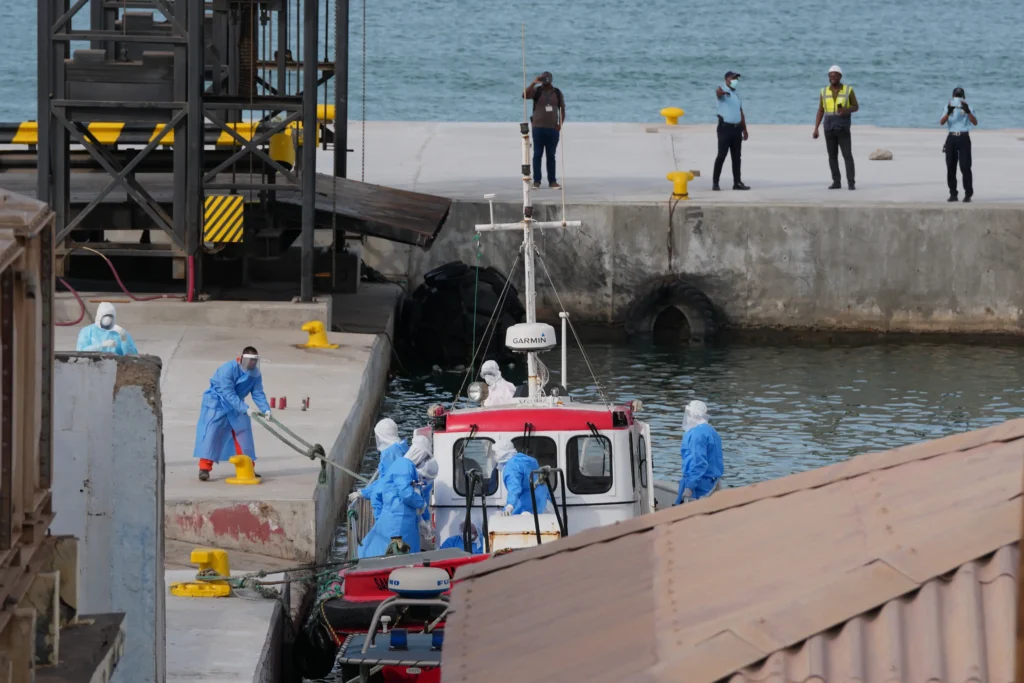
The ship was moored off the coast of Cape Verde. Cape Verde sent medical teams to assist but prevented the vessel from docking due to health concerns.
- 3 May
One additional death was reported, bringing the total to three.
- 4 May
The WHO published a situation report confirming seven cases: two laboratory-confirmed hantavirus infections and five suspected cases, including three deaths. Blood tests from the deceased Dutch woman confirmed she had the Andes strain.
- 7 May
A Swiss man who had disembarked at Saint Helena and returned home tested positive for the Andes strain at a hospital in Zurich. He had initially tested negative, highlighting the virus’s ability to lie dormant for up to eight weeks.
Three patients, British, Dutch and German nationals, were evacuated from the ship to the Netherlands for specialist treatment. Two were symptomatic and in serious condition. The third, though asymptomatic, had been in close contact with the German passenger who died on 2 May.
The MV Hondius departed Cape Verde and began sailing north toward the Canary Islands, a journey expected to take three to four days. Spain’s Ministry of Health confirmed remaining asymptomatic passengers would undergo evaluation upon docking in Tenerife and would be repatriated unless their health status prevented it.
- Ongoing response
Contact tracing is underway across multiple countries. Two Georgia residents who had been aboard the ship were being monitored by the state’s Department of Public Health and showed no signs of infection. California and Arizona also confirmed residents had been passengers and were being monitored.
The WHO has activated three-level coordination and is supporting national authorities in implementing risk-based public health measures. Authorities from Cape Verde, the Netherlands, Spain, South Africa and the United Kingdom are coordinating response efforts.
Passengers and crew members have been advised to monitor for symptoms for up to 45 days, the maximum incubation period for hantavirus.
- What authorities are investigating
Epidemiological investigations are underway to determine the source of exposure. Laboratory testing, genetic sequencing and metagenomics are being conducted to understand the strain and its transmission pattern.
The WHO confirmed that human-to-human transmission cannot be ruled out, as some cases had very close contact with each other. Dr Maria Van Kerkhove, WHO Director for Epidemic and Pandemic Preparedness and Prevention, said prolonged close contact is required for transmission of the Andes strain.
“This is not a pandemic kind of virus,” Dr Céline Gounder, a CBS News medical correspondent, said, noting that human-to-human transmission requires prolonged close contact.
Experts are also investigating whether multiple passengers were exposed to the same contaminated environment, which would mean some cases may not involve person-to-person spread.
The vessel requires thorough investigation, including sampling of all droplets, dust, ventilation systems and surfaces to identify potential sources of contamination.
SOURCES: WHO, CDC, The New york Times, CBS and FirstPost