

The advisory comes as the US raises its Kenya travel warning and a CNN correspondent reports an El Salvador entry ban
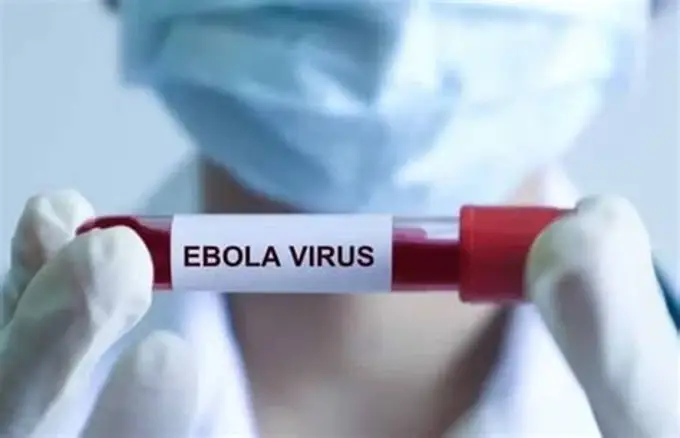
The World Health Organisation (WHO) has restated its advice against travel and trade restrictions on Ebola-affected countries, as Nigeria confirmed its first imported case of Bundibugyo virus disease in the Federal Capital Territory (FCT).
In a statement on Tuesday, WHO said: “WHO advises against any restriction of travel to, or trade with, affected countries.” It added that it would keep monitoring measures introduced in response to the outbreak and verify them where necessary.
Nigeria is the fifth country to detect the virus since the outbreak was declared in the Democratic Republic of the Congo (DRC) on 15 May 2026. According to the Federal Ministry of Health and Social Welfare, the patient is a woman who recently travelled from Uganda. Her symptoms began on 7 October, four days after she arrived in Nigeria. She sought care at a private health facility in Abuja on 11 October, and laboratory tests confirmed the virus on 20 October. She is in isolation and receiving treatment.
Forty-four contacts have been identified and are being monitored. The Nigeria Centre for Disease Control and Prevention (NCDC) has activated its incident management system. WHO says it is supporting case investigation, contact tracing, infection control and the supply of protective equipment for health workers.
Why WHO opposes Ebola travel restrictions
The position is not new. After Kenya reported an imported case earlier this month, WHO Director General Tedros Adhanom Ghebreyesus said the agency advised against restrictions on travel to or trade with the affected countries “based on the currently available information”. That patient was a Kenyan citizen who had lived in the DRC for seven years. Kenya confirmed a ninth case on 20 October.
Instead of closing borders, WHO is urging countries to strengthen surveillance, make sure laboratories can test suspected cases safely, prepare rapid-response and clinical teams, tighten infection control in public and private facilities, secure supplies, engage communities and improve monitoring at points of entry.
The argument has been tested before. During the 2014 West African epidemic, WHO recommended against general travel and trade bans, yet several countries imposed them. Mauritius, for instance, barred travellers from Nigeria and Senegal before lifting those bans in October 2014.
Countries are imposing Ebola travel restrictions anyway
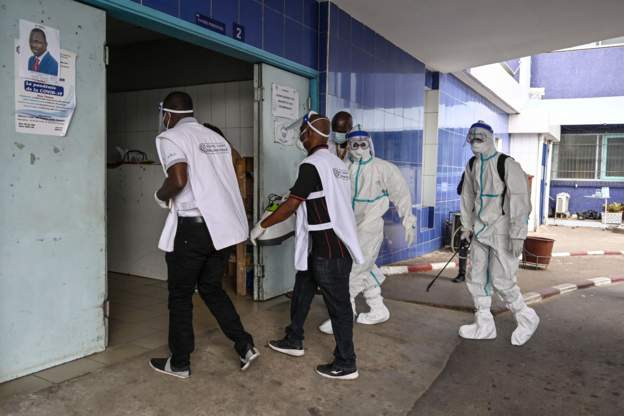
On Monday, the US State Department raised its advisory for Kenya to Level 3, “reconsider travel”, from Level 2. It cited health, crime, kidnapping, terrorism, unrest and traffic safety. Ebola was therefore one of several stated concerns, and the advisory guides American citizens rather than closing any border.
Entry curbs are a different matter. CNN correspondent Larry Madowo said on Tuesday that El Salvador denied his visa because Kenya had reported Ebola cases, despite Nairobi’s insistence that there is no widespread outbreak. Madowo, who is Kenyan, said El Salvador had barred citizens of eight African countries, including Ethiopia, Angola, the DRC, Burundi and the Central African Republic. Kenyan media report that the restrictions also affect countries with no reported cases.
TDC could not find an official Salvadoran notice, so the full list and legal basis of the measure remain unverified. Madowo referred to eight Kenyan cases, while Kenya has since confirmed nine.
Reuters has reported that other governments, including the US and Canada, have barred entry to people who recently travelled to the DRC, Uganda or South Sudan.
What remains unclear in Nigeria’s case
Investigators are still working to establish the likely source of infection and the patient’s movements. The Uganda link is a complication. Uganda’s health ministry has denied reports of an ongoing outbreak. Uganda officially ended its outbreak on 27 August. Nigerian authorities have not yet explained how a recent arrival from Uganda became infected.
The timeline also invites questions. The patient was admitted to a private hospital and received care for several days before the diagnosis was confirmed. The statements reviewed do not say whether Ebola was suspected earlier, how many staff and patients were exposed, or when infection control measures were put in place. The ministry has said measures at the facility have been stepped up.
Kenya’s health ministry says contacts remain in isolation for up to 21 days because of the disease’s incubation period. Further updates on the Nigerian case are expected from the Presidential Taskforce on Ebola Virus Disease and the NCDC.