

Power Minister Joseph Tegbe has said sorry for the blackouts and pointed to a N2 trillion debt. The apology is welcome. The explanation still has gaps, and the public is owed the evidence.
An apology, and an explanation to test
Power Minister Joseph Tegbe did something few Nigerian officials do this week: he apologised. He apologised to Nigerians over the outages, particularly in Lagos and other affected states. He also said Nigeria has gas, that constraints sit within the gas supply chain, and that one major constraint is GenCos’ inability to pay for gas, partly because of debts owed to them.
A candid apology deserves credit, and so does a minister who names a cause. But an explanation offered in a crisis still has to be tested against the evidence, and this one has not been.
What the public was promised
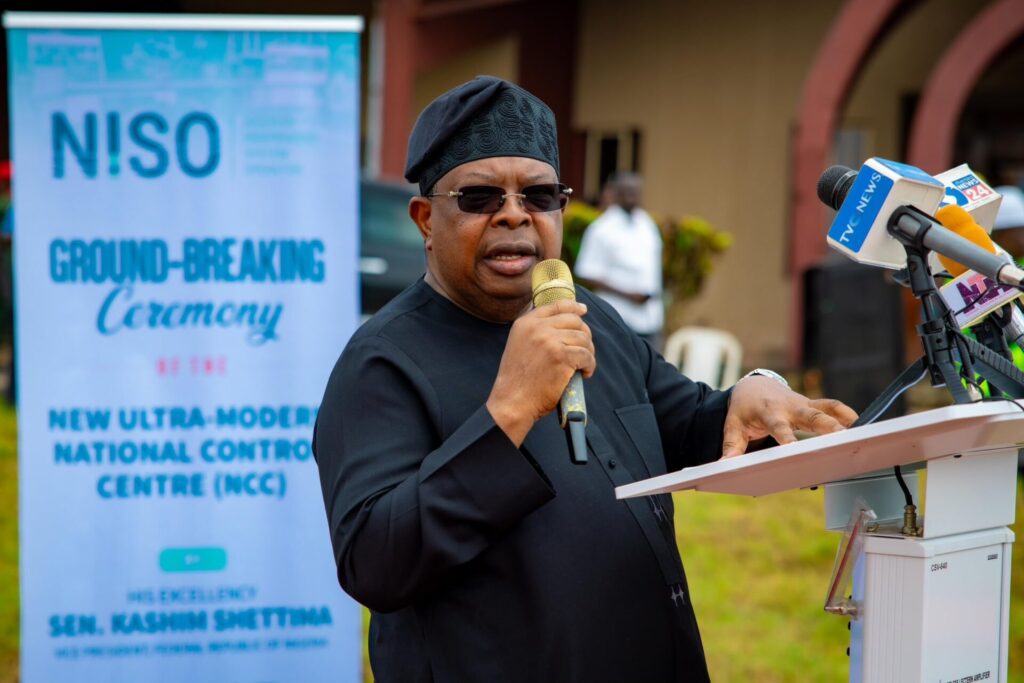
The apology follows a promise that expired. The minister’s promise to restore normal supply within 72 hours expired two days before the latest reports, and outages remained despite a rise in generation. He later said electricity had been restored to communities affected by the disruptions, particularly in Lagos, Ogun, Oyo, Kwara and the FCT.
The minister has also asked for patience. He said the full impact of the government’s power-sector reforms would be felt in three to five years. That is an honest timescale for a sector with decades of underinvestment. It is also a long time for households and businesses that run generators in the meantime, and it is a reason to be exact about what is being fixed and when.
What is solid: the debt is real, and so is the plan
The debt the minister cites is documented. He said the government has reduced the outstanding debt to N3.3 trillion, paid down N1.23 trillion, and has N2 trillion left, which would be paid next year.
The government has a programme for it. A N4 trillion bond is designed to settle verified arrears owed to GenCos and gas suppliers. In July 2025 President Tinubu gave anticipatory approval for the bond initiative, and NBET began settling N729 billion under the Series 2 bonds on 9 October 2026. The Presidency’s energy adviser said GenCos had signed full and final settlement agreements worth about N2.28 trillion.
Paying down these arrears is what the industry has long asked for, and the administration should be credited for putting a structure around them. The fiscal context, though, is tight. The Debt Management Office expects about N51 of every N100 the government collects to go on debt payments in 2026, up from N44.90 in 2025. A promise of a further N2 trillion competes with that, even though the finance minister says the country collected a record N33 trillion in revenue from January to October.
Gap one: the cause of the outages is contested
The first problem is that two government bodies have given different accounts. The Nigerian Independent System Operator (NISO) said on 5 November that the nationwide decline in generation came from inadequate gas supply to thermal plants and reduced output from hydro stations.
NNPC replied on 6 November that its gas transportation network had no recorded constraints affecting deliveries to power stations, and that gas production had grown about 10 per cent this year. The company drew a distinction that matters: gas production, commercial supply arrangements and actual deliveries to individual plants must be assessed separately from the availability of transportation infrastructure. It also called for a joint review of operational data by suppliers, transporters, generators and NISO.
Read carefully, the accounts are not necessarily contradictory. If gas exists and pipelines are open, but plants cannot afford to buy it, the shortage is financial, which is the minister’s point. But that reading depends on data nobody has published. In the meantime, the public has had three official versions in a week. One DisCo executive complained that the blame has bounced between DisCos, the transmission company, GenCos and gas suppliers, and asked the minister to take charge. The minister’s apology is a start. A single, documented account would be better.
Gap two: other faults overlapped
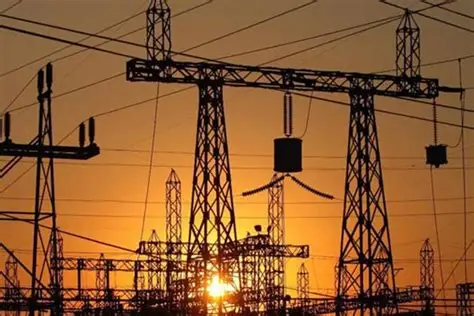
The debt cannot explain everything. The minister said the recent disruption was not a national grid collapse but a reduction in supply caused by planned maintenance at the Egbin plant and vandalism of a transmission line serving Lagos. He also acknowledged that some power plants are ageing, and said damage to transmission infrastructure remains a major challenge.
Those are physical faults: a plant under maintenance, a line cut, old equipment, weak transmission. None is a payment problem. The government is addressing transmission, and the minister announced approval of a $2 billion East-West Super Grid to lift transmission capacity to 19,000MW. That is a long-term project and does not explain a blackout this month. The honest conclusion is that several problems overlapped, and the debt alone cannot be shown to account for the latest outages.
Gap three: how big is the debt?
The N2 trillion is a government figure, and the industry disagrees about the total. The Presidency’s energy adviser has said the government is offsetting a sector debt of about N4 trillion, while the GenCos’ association insists the sector has incurred over N7 trillion on its government services. That association put cumulative sector debt, including obligations to gas suppliers, at about N6.8 trillion in March 2026 and about N7.66 trillion by June 2026.
The numbers measure different things. The N3.3 trillion plan covers verified legacy debts accumulated between February 2015 and March 2025, while the generators’ figure includes new shortfalls that have kept accruing. So the N2 trillion the minister quotes is the remainder of the government’s verified claims, not necessarily everything the industry says it is owed. Readers should keep the two apart, as with any debt figure that two sides count differently, and the public deserves a reconciled number from NBET and the generators.
The pledge: “next year”
The minister said the remaining N2 trillion would be paid next year. He said settling the debts would ease generators’ financial difficulties and improve their ability to buy gas. The presidential and National Assembly elections are set for 16 January 2027, so most of “next year” falls after polling day. That is a point about the calendar. We make no claim about intent, and nothing in the sources suggests the timing was chosen for electoral reasons.
The track record is mixed. The government said the first phase of the bond programme aimed to raise N1.23 trillion by the first quarter of 2026, yet that total was reached only after two bond issuances, the second signed in September. A target set for March was met in the autumn. Slippage of that kind is normal in public finance, but it is the right yardstick for judging the next promise.
There is also a point of language. The minister spoke of N1.23 trillion “paid down”, while reports describe that sum as raised through bonds, and N333 billion had been paid under the first series to eight GenCos covering 17 plants. Raising money and paying it out are different steps, and for a generator waiting on its invoice, the difference is the whole story.