

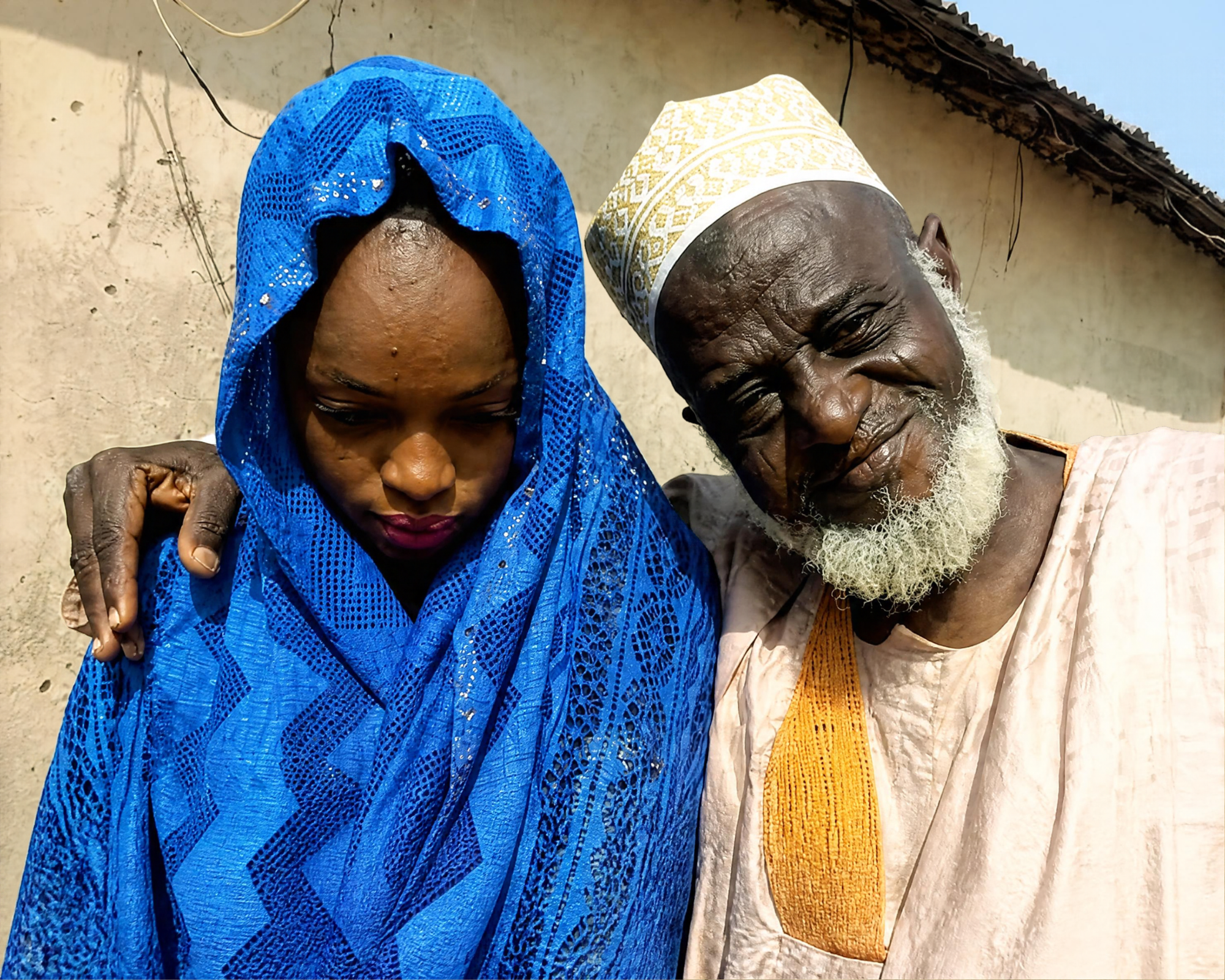
Nigeria prohibits child marriage under the Child Rights Act, but uneven implementation, gaps in legal protection and deeply rooted social and economic pressures continue to put millions of girls at risk.
Child marriage remains a major child-protection concern in Nigeria, despite years of legislation and campaigns to end the practice. UNICEF’s Child Marriage Data Portal estimates that 33.4 per cent of Nigerian girls marry before turning 18, representing about 23.7 million girls and women. The figures underline the gap between commitments to protect children and the realities many girls face.
So, what does Nigerian law say about child marriage? Which states have enacted child-rights legislation, and where is the practice most prevalent?
What does the law say about child marriage in Nigeria?
The federal government enacted the Child Rights Act in 2003 to provide a legal framework for protecting children’s rights. Section 21 states that no person under 18 can contract a valid marriage and that any marriage contracted in violation of the provision is null and void.
Section 22 prohibits parents, guardians or any other person from betrothing a child. Under Section 23, a person who marries a child, betroths a child or promotes or arranges such a marriage commits an offence. On conviction, the penalty is a fine of up to ₦500,000, imprisonment for up to five years, or both.
The Act reflects the principle that a child should be protected from practices that can undermine their health, education, safety and development. Child marriage can expose girls to early pregnancy, interrupt their schooling and increase their vulnerability to abuse and economic dependence.
However, the Child Rights Act is not automatically implemented in every state simply because the National Assembly enacted it. State-level legislation and enforcement remain important to ensuring that its protections operate effectively across the country.
Which Nigerian states have domesticated the Child Rights Act?
Domestication means enacting state legislation to give effect to the federal Act within a state’s legal framework. State laws may be titled Child Rights Acts or Child Protection Laws, and their provisions and implementation arrangements require examination rather than assuming that every law is identical.
The status of domestication has changed over the years. In November 2022, UNICEF said Adamawa had signed a Child Protection Law, leaving Kano, Bauchi and Gombe as the states yet to domesticate the Act. Kano enacted a Child Protection Law in 2023, while Bauchi signed its child-rights law in December that year.
A 2025 comparative table of state legislation lists Adamawa as the remaining state without a state Child Rights Act. However, UNICEF had already confirmed that Adamawa signed a Child Protection Law in 2022. This illustrates why the distinction between having a child-protection law and fully incorporating the Child Rights Act matters. The available sources do not establish that every state’s legislation contains identical provisions or is being enforced equally.
The practical question is therefore not only whether a state has passed a law, but whether the law clearly prohibits child marriage, provides effective protection and penalties, and is enforced by relevant authorities.
Where is child marriage most prevalent in Nigeria?
The practice is concentrated in northern Nigeria, although it occurs across the country. UNICEF’s Child Marriage Data Portal, using its latest available state-level estimates for 2024, identifies the highest prevalence in:
- Jigawa: 62.8 per cent
- Zamfara: 62.6 per cent
- Sokoto: 60.9 per cent
- Katsina: 60.5 per cent
Bauchi also records a high prevalence, at 55.5 per cent. By comparison, the estimates are much lower in states such as Lagos, at 3.6 per cent, and Edo, at 3.1 per cent. These figures refer to the portal’s measure of marriage before age 18 and should not be confused with the percentage of all women in a state who are currently married.
The data also show that child marriage is linked to wider inequalities. Nationally, the estimated prevalence is 48.2 per cent in rural areas, compared with 15.6 per cent in urban areas. It is also substantially higher among girls from the poorest households and those with little or no education.
Poverty, limited access to education, insecurity and social expectations can all contribute to the persistence of the practice. These factors do not affect every household in the same way, but they help explain why legislation alone has not eliminated child marriage.
Why does child marriage persist despite the law?
The challenge is not simply the absence of legislation. It is the gap between legal protections and what happens in homes and communities.
Where children’s ages are poorly documented, marriages are not formally registered, or authorities fail to intervene, violations can be difficult to identify and address. Differences between state laws and enforcement arrangements may further complicate access to protection and justice.
Ending child marriage requires more than passing legislation. Governments must strengthen enforcement, improve birth registration, keep girls in school, support vulnerable households and work with community and religious leaders to challenge practices that expose children to harm.
Nigeria’s laws establish an important standard: marriage before 18 is prohibited under the Child Rights Act. The continuing prevalence of child marriage shows why that standard must be matched by effective protection, accountability and practical support for girls and their families.