

A bishop shot dead at home and a second victim killed during police interrogation have reignited a diplomatic crisis Nigeria says South Africa has failed to resolve.
Two more Nigerians have been killed in South Africa amid an ongoing wave of xenophobic and Afrophobic violence, bringing the death toll linked to the current crisis to seven, according to the Nigerian Consulate in Johannesburg, though ambassador-designate Femi Fani-Kayode puts the figure at eight.
The Nigerian Consulate, in a statement signed by Consul General Ninkanwa Okey-Uche on Friday, identified the victims as Bishop Taiwo Michael Fakunle and James Uchechukwu Nwankwo.
How the two killings happened
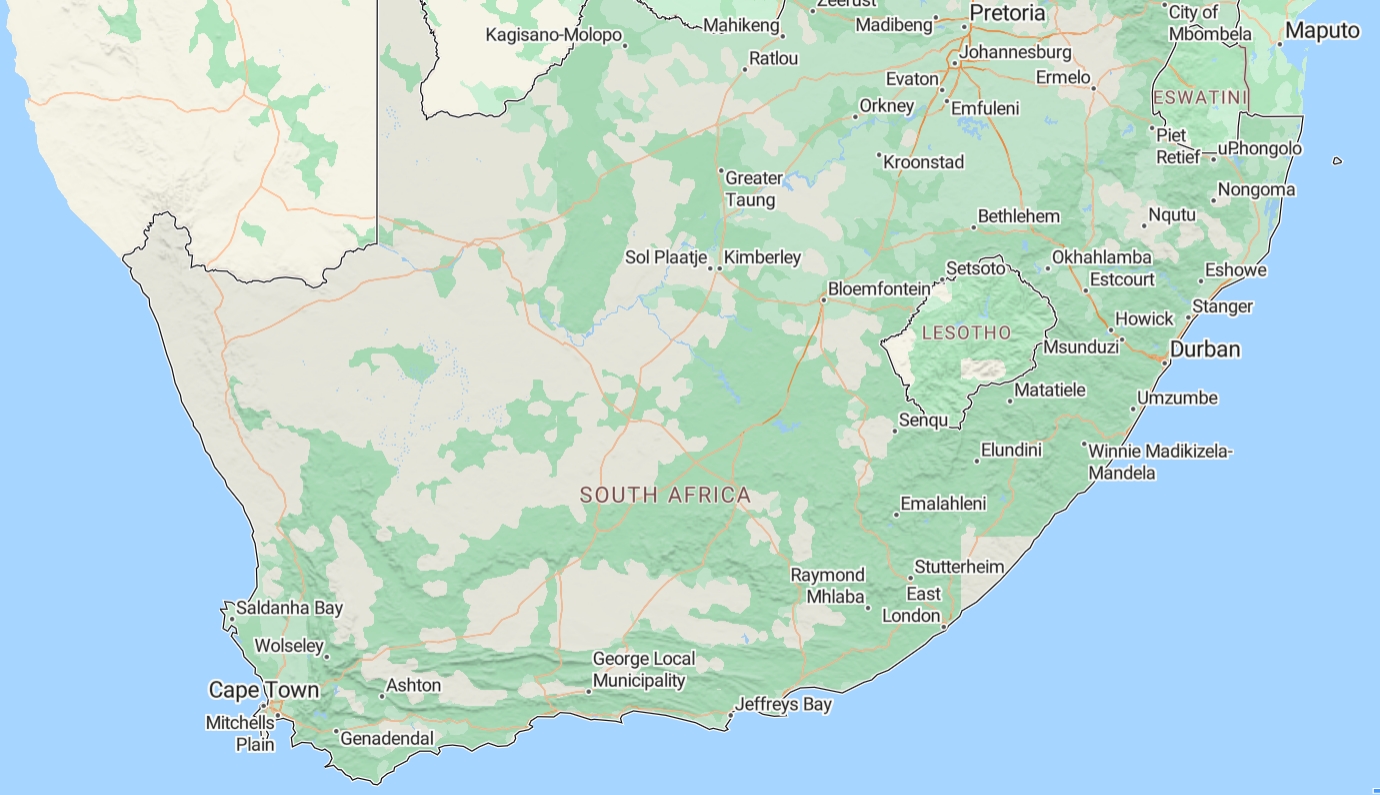
Fakunle was shot dead by unidentified assailants at his residence in Kensington, Johannesburg, on 4 September, after reportedly receiving a series of threats beforehand.
According to the Nigerian Citizens Association South Africa (NICASA), whose National President Frank Onyekwelu confirmed the incident to the consulate, two suspects gained access to Fakunle’s home before opening fire; a murder case has since been opened at Jeppe Police Station. His killers remain unidentified.
“The report of this incident is one too many and has caused the family of the deceased, the Nigerian Community and Diplomatic Missions in South Africa much shock and pain,” the consulate said.
Nwankwo was killed a day later, on 5 September, in Somerset West, Cape Town, allegedly by officers of the South African Police Service (SAPS).
Nigeria’s Ministry of Foreign Affairs said he died as a consequence of what it described as “gruesome interrogation techniques” employed by SAPS officers.
According to the consulate, Nwankwo is the sixth Nigerian whose death has been linked to South African security forces since the current wave of violence began in April, following the earlier deaths of Amaramiro Emmanuel and Ekpenyong Andrew, killed by South African National Defence Force personnel in April; Emeka Iroegbu, killed in June; and Ibeh Simon, killed during a SAPS operation in Bellville, Cape Town, on 23 July.
Nigeria’s official response
The consulate said the killings raised troubling questions about the safety of Nigerians in South Africa.
“The deaths are coming at a time when foreigners are still being targeted in the country, which also raises questions about what seems to be a deliberate attempt by some elements to generalise and tag well-meaning, respectable Nigerians in the country as criminals,” it said, urging South Africa’s Independent Police Investigative Directorate (IPID) to expedite investigations and hold perpetrators accountable. No arrests have been made in connection with the recent killings.
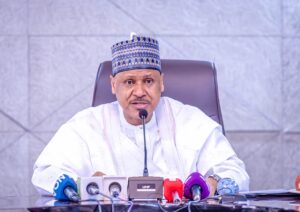
Nigeria’s Ministry of Foreign Affairs, in a statement signed by spokesperson Oluwafemi Adeniyi, said it received the reports with “profound shock” and condemned the killings “in the strongest terms possible,” calling on South African authorities to launch thorough, transparent investigations and prosecute those responsible.
The ministry expressed particular concern over the alleged involvement of law enforcement personnel in Nwankwo’s death and disclosed that a Memorandum of Understanding establishing an Early Warning Mechanism, which Nigeria signed to help address recurring xenophobic attacks, has yet to be signed by South Africa.
Nigeria had previously raised the pattern of attacks before both ECOWAS and the African Union.
A widening diplomatic rift
Fani-Kayode, in a personal statement, said the two latest deaths bring the year’s toll to eight, with at least four of those eight allegedly killed by SAPS officers, and claimed that over 100 Nigerians have been murdered in South Africa since 2022, more than 30 of them allegedly by South African security personnel.
South Africa’s anti-foreigner campaign escalated sharply in April, with footage of citizens attacking other Africans circulating widely online, and tensions intensified further around an arbitrary 30 June deadline for African foreigners to leave the country. Several countries, including Nigeria, Ghana, Mozambique, Malawi and Zimbabwe, have since repatriated citizens from South Africa.
Nigeria’s National Assembly has separately suspended all official legislative visits and engagements with South Africa in response to the continuing violence.