

Killed Nigerians: Federal Government warns of diplomatic consequences; alleges police complicity in extrajudicial killing; pattern of violence raises safety concerns
Two more Nigerian nationals have been killed in South Africa, prompting the Federal Government to warn of potential diplomatic consequences if attacks on its citizens continue.
The deaths bring heightened concern about the safety of Nigerians in the country amid ongoing xenophobic tensions and waves of anti-migrant violence.
The Ministry of Foreign Affairs announced the killings on Sunday through spokesperson Kimiebi Ebienfa. One victim, Emeka Charles Iroegbu, was allegedly killed by officers of the Tshwane Metro Police on 28 June 2026 in Sunnyside, Pretoria.
The ministry stated that gruesome interrogation techniques were used in the incident. The second victim, Musa Yunana Joe, popularly known as Big Joe, was killed in front of his shop in Witbank, Mpumalanga on the same day by yet-to-be-identified gunmen.
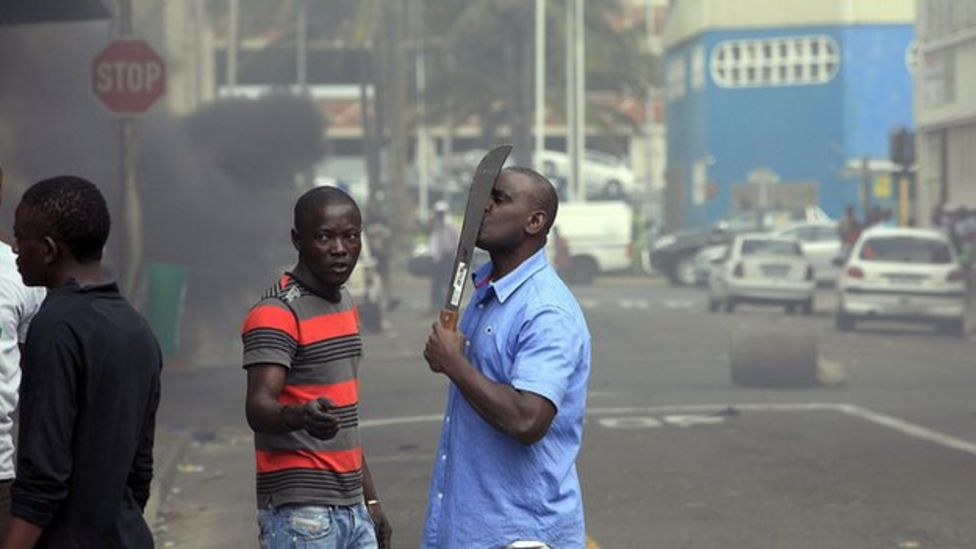
Both killings occurred during escalating xenophobic violence targeting foreign nationals in South Africa. The incidents follow weeks of anti-migrant protests and an ongoing government evacuation programme through which 859 Nigerians had been repatriated as of 3 July 2026.
Pattern of alleged police violence without accountability
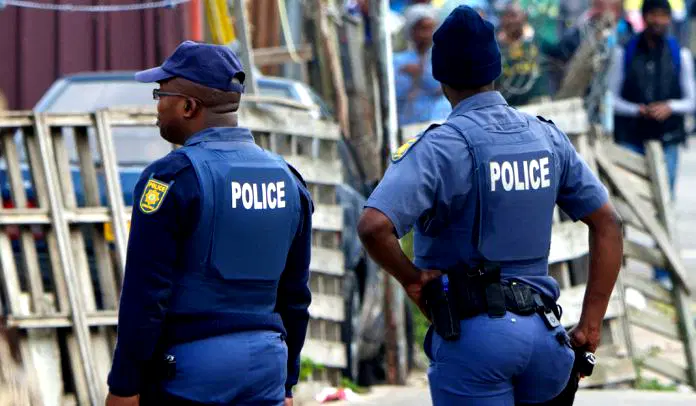
The killing of Iroegbu marks the second alleged extrajudicial killing by Tshwane Metro Police officers within three months. On 20 April 2026, the same officers allegedly killed another Nigerian national, Nnaemeka Mathew Andrew Ekpenyong. Despite the seriousness of that case, the ministry confirmed that no arrests have been made, even though the identities of the four officers allegedly involved are known to the South African Police Service.
The government accused South African authorities of complicity through inaction. “The continuing pattern of such terrible incidents is clearly evidence of complicity on the part of security operatives, especially officers of the Tshwane Metro Police, which raises the question of state responsibility under International Law,” Ebienfa stated.
He added that recorded data collated by Nigerian missions in South Africa laid grounds for criminal liability against perpetrators. The ministry demanded that South African authorities conduct urgent investigations and ensure that perpetrators are brought to justice.
Federal Government threatens diplomatic escalation
The Nigerian government issued a pointed warning that escalation could occur if violence against its nationals continues. “We wish to place the Government of South Africa on notice that if the situation continues to persist, all options remain on the table, some of which will be activated if the uncultured and provocative trend of intolerance and apartheid-style behaviour of South Africa against foreigners is not addressed,” the ministry statement said.
The warning represented a significant hardening of Nigeria’s diplomatic stance, moving beyond calls for investigation toward implicit threats of unspecified consequences.
Contextualising the violence within broader xenophobia
The killings occur within the context of broader anti-foreigner sentiment in South Africa. The government condemned anti-immigrant groups including March on March and Operation Dudula, accusing their leaders of promoting hate speech and violence against fellow Africans.
Nigeria also criticised remarks attributed to a South African government spokesperson who challenged Nigerians leaving the country to reveal where illegal drugs were hidden. The ministry described the comments as “derogatory, unprofessional and capable of inciting hostility and violence against Nigerians.”
The government noted the disparity in treatment. South African citizens and businesses continue to operate freely in Nigeria, the ministry stated, meaning South Africa has a reciprocal obligation under international law to protect the lives and property of foreign nationals.
The Consulate General of Nigeria in Johannesburg issued separate condemnations of both killings on 4 July 2026, with Consul General Ambassador Ninikanwa O. Okey-Uche expressing shock and pain over the incidents. The consulate called on South African authorities to conduct urgent investigations and ensure those responsible face the full weight of the law.
The government extended condolences to families of the deceased and pledged continued engagement with South African authorities until justice is served.