

Third batch arrives in Lagos; total evacuations reach 593 as federal government continues emergency evacuation flights amid xenophobic crisis
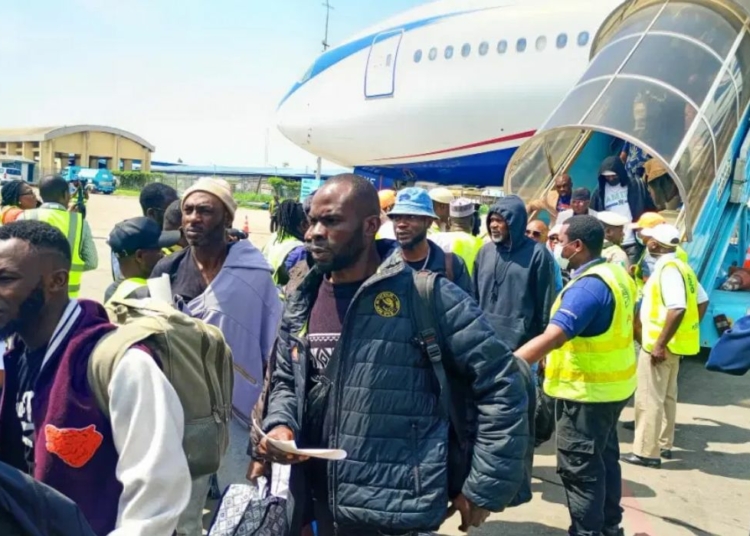
Another batch of 269 Nigerians has arrived at the Murtala Mohammed International Airport in Lagos after being repatriated from South Africa, bringing the total number of Nigerians evacuated under the federal government’s emergency repatriation programme to 593.
The flight from Johannesburg landed at 10:48 am on Tuesday, marking the second official batch evacuated directly by the Nigerian government. The returnees were escorted by officials of the Nigerian mission in South Africa and received at the airport by senior officials of the Foreign Ministry led by Haruna Ali-Gombe, Director of the African Affairs Department.
This repatriation exercise represents a coordinated federal government response to escalating xenophobic violence in South Africa. South African citizen groups issued a June 30 deadline for undocumented migrants to leave the country, prompting Nigeria and other African nations to organize evacuation flights for their citizens facing attacks and intimidation.
Repatriation timeline: Building evacuations
The federal government’s repatriation efforts have progressed in three phases. The first official batch of 258 returnees arrived on 11 June 2026 aboard a chartered Air Peace flight.
Between the first and second official batches, a separate group of 66 Nigerians arrived on 24 June 2026. According to Foreign Ministry Spokesman Kimiebi Ebienfa, this flight was facilitated by Kunle Soname, Chairman and Chief Executive Officer of ValueJet Airlines, who coordinated the evacuation through private sector intervention. The involvement of private sector partners in the repatriation effort demonstrated support beyond government structures.
The latest batch of 269 returnees represents the second official evacuation flight directly organised by the Nigerian government, expanding the repatriation operation and demonstrating accelerated evacuation capacity.
Government commitment to continued repatriation
Foreign Ministry Spokesman Ebienfa stated that the evacuation process remains ongoing and that additional evacuation flights are expected in the coming days.
“The evacuation process is still on course and more flights are expected in the country in the next few days to evacuate all Nigerians that have been screened and cleared to voluntarily return to the country,” he said.
The federal government has committed significant resources to the repatriation effort. The Foreign Ministry disclosed that it has paid for five repatriation flights in total, with two official flights completed and additional flights expected shortly. This investment reflects government determination to ensure the safe return of all eligible Nigerians seeking evacuation.
Scale of the crisis: Over 1,000 Nigerians seeking return
While 593 Nigerians have been repatriated to date, the full scale of the crisis extends beyond those already evacuated. According to federal government statements, more than 1,000 Nigerians have indicated their intention to return from South Africa following the xenophobic violence and the June 30 deadline issued by anti-immigrant groups.
South African authorities confirmed that they processed 586 Nigerian nationals for repatriation. This figure, while substantial, underscores that the repatriation numbers represent only a portion of the Nigerian population affected by the current crisis in South Africa.
Reception and support services
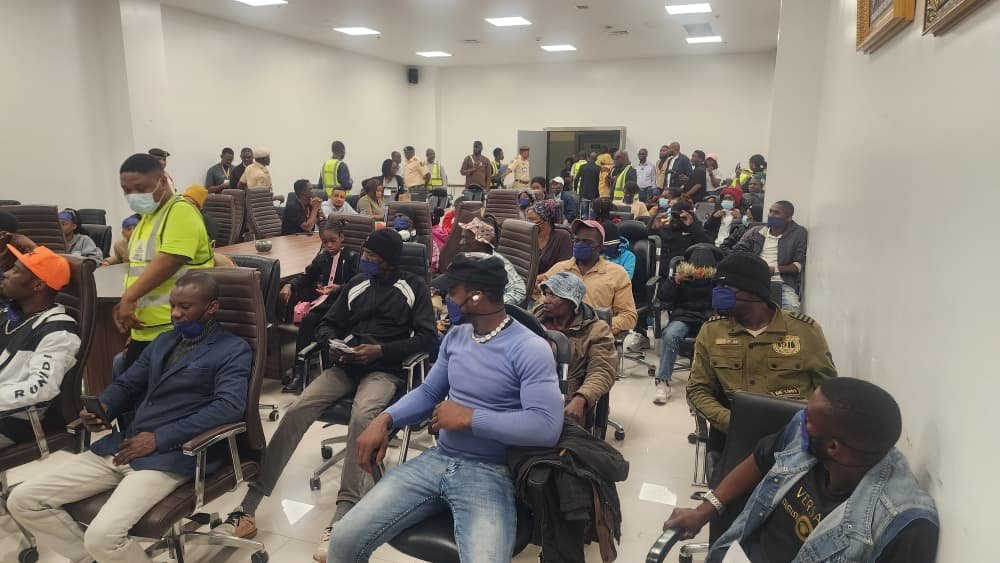
Upon arrival in Lagos, returnees receive support from multiple government agencies and private organisations. Officials from the Foreign Ministry, National Emergency Management Agency, National Commission for Refugees, Migrants and Internally Displaced Persons, and the Nigerians in Diaspora Commission coordinate reception procedures.
The returnees undergo profiling, documentation, immigration clearance and medical screening. The federal government and private organisations provide temporary accommodation, financial assistance and welfare support to facilitate reintegration.
In one example of state-level support, evacuees from Imo State received N1 million each through the intervention of Governor Hope Uzodimma, demonstrating coordinated assistance across federal and state government levels.