

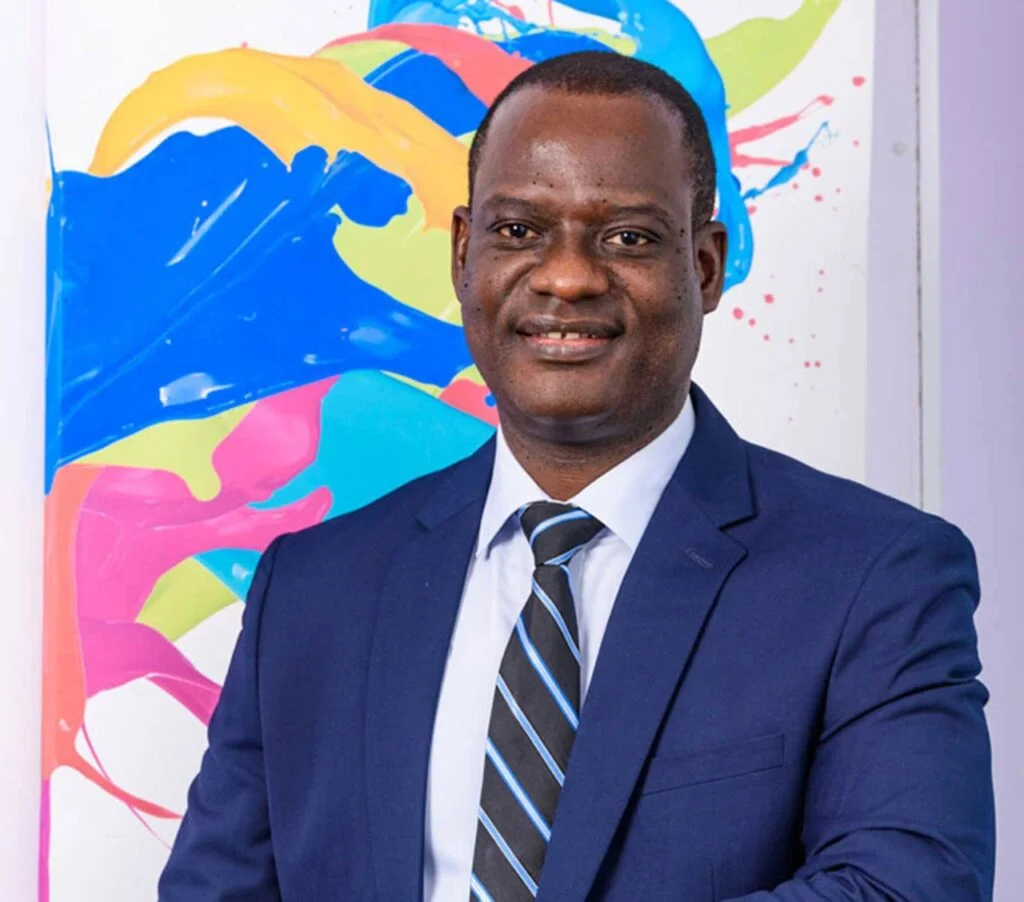
Finance Minister Taiwo Oyedele has rejected calls to publish spending details of Nigeria’s $5bn Abu Dhabi Bank facility, despite IMF and Fitch warnings over its transparency.
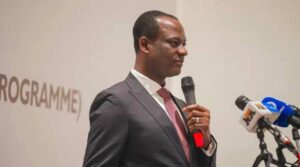
The Federal Government will not publish details of how it plans to spend funds drawn from its $5 billion financing facility with First Abu Dhabi Bank (FAB), Minister of Finance and Coordinating Minister of the Economy Taiwo Oyedele said on Wednesday, rejecting calls for greater disclosure around the transaction.
Speaking at a media briefing in Abuja, Oyedele said the facility had been subjected to “unnecessary scrutiny,” arguing it was approved by the National Assembly and structured mainly to help the government refinance more expensive debt.
“We will not publish how we are spending it. We will publish how we spend government money. There’s nothing special about that loan,” he said, adding that no one had asked the government to separately publish how it spent funds from the World Bank, Eurobonds, or Sukuk.
A Facility Under Scrutiny
Nigeria recently drew about $1.5 billion, the first tranche of the $5 billion Total Return Swap (TRS) facility, which the National Assembly approved on March 31, 2026. The drawdown was reported by Bloomberg in late June, which said the government had accessed the funds in the preceding weeks; at the time, the Ministry of Finance did not respond to requests to independently confirm the report.
The International Monetary Fund and Fitch Ratings have both raised concerns about the arrangement. Christian Ebeke, the IMF’s resident representative in Nigeria, said in June that transactions structured this way are “usually opaque,” noting the terms of similar derivative-based deals reviewed by the Fund across other countries were not always transparent.
Fitch separately warned, in a report published June 19, that TRS structures often fall outside conventional debt-reporting frameworks and could weaken transparency and legislative oversight, while also exposing Nigeria to added foreign exchange risk if domestic bond yields rise or the naira weakens. Moody’s has also weighed in, saying such swaps “introduce credit risks that are not present in traditional commercial borrowing” a caution it has applied to similar deals pursued by Angola and Senegal.
Oyedele’s Defence

Oyedele dismissed suggestions that the transaction lacked due process, noting it was approved by the Federal Executive Council before being taken to the National Assembly. “What else can be more public than what you gave to the National Assembly?” he said.
He explained that the government was drawing down the facility in phases to avoid unnecessary costs, and that its flexible interest rate structure unlike Nigeria’s traditional fixed-rate Eurobonds, meant the country would benefit if global rates fell, though it would pay more if rates rose. “The all-in rate for this transaction is lower than our existing portfolio,” he said, adding that the core objective was to refinance expensive debt and cut borrowing costs.
Under the arrangement, the Federal Government must pledge securities worth about 133 percent of the amount drawn as collateral, reported elsewhere as roughly $6.65 billion in naira-denominated bonds. The deal comes as Nigeria’s public debt stock stood at $110.3 billion (about N159.2 trillion) as of December 31, 2025.
What Comes Next
Oyedele said the government would soon publish frequently asked questions about the transaction on the websites of the Ministry of Finance and the Debt Management Office “so everybody can please themselves.” He maintained there was “nothing special” about the loan despite the attention it had drawn from critics and international media, saying he had spent time addressing it because he believed the scrutiny was significant, even if, in his view, unwarranted.