

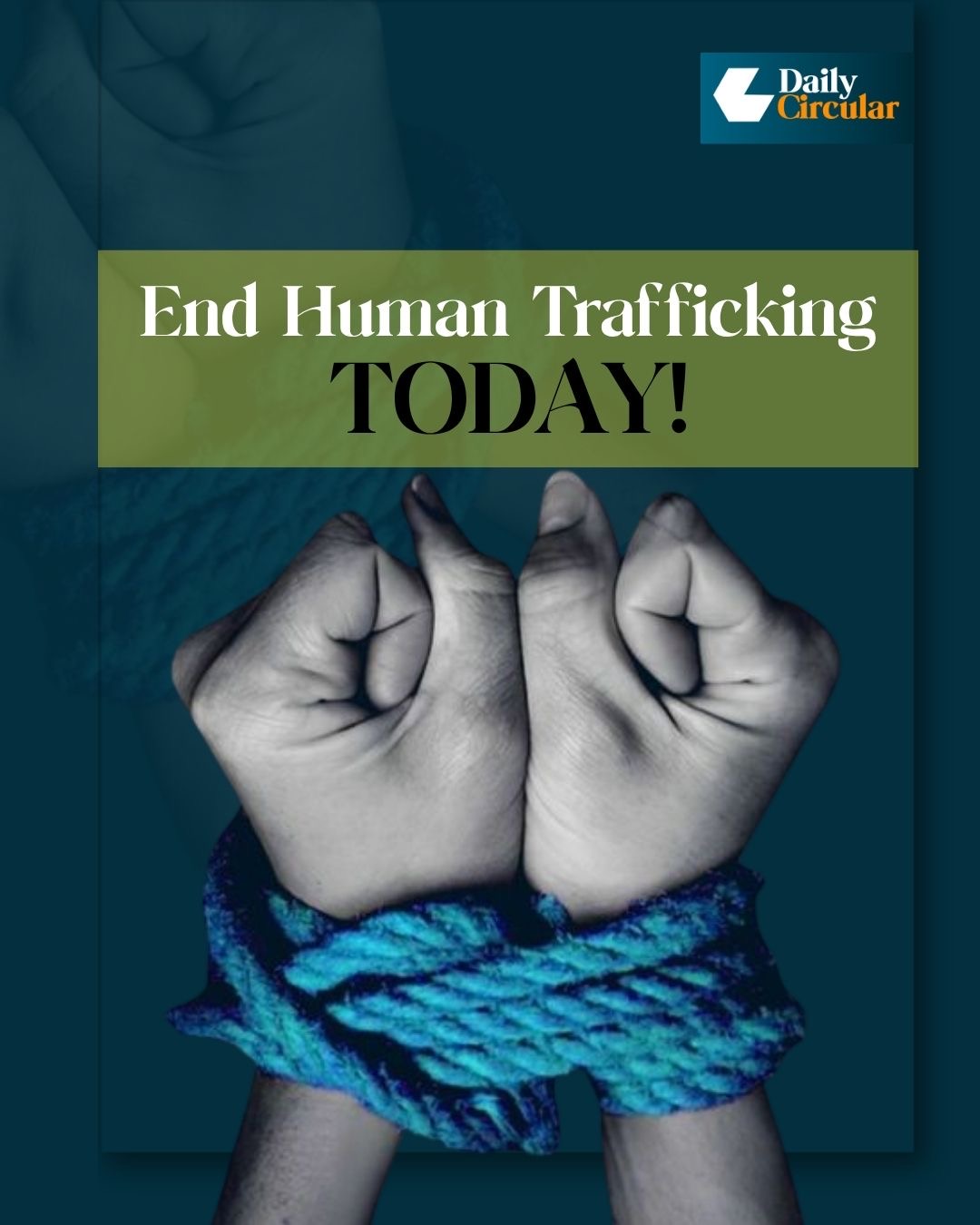
Every year on July 30, the world observes World Day Against Trafficking in Persons, a date set aside by the United Nations to raise awareness of one of the most profitable and dehumanising crimes on the planet. In Nigeria, this day carries special weight. The country remains both a source and transit point for trafficking victims, and the National Agency for the Prohibition of Trafficking in Persons (NAPTIP) continues to lead the national response. This article explains what human trafficking is, why the day matters, and exactly how you can contribute to the fight according to NAPTIP’s guidelines.
Human trafficking explained
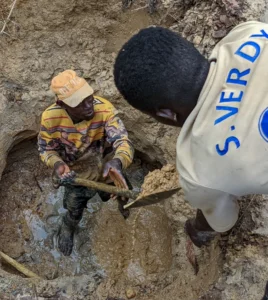
Human trafficking is the recruitment, transportation, or harboring of people through force, fraud, or coercion for the purpose of exploitation. This exploitation can take many forms, including forced labor, domestic servitude, sexual exploitation, forced begging, and organ harvesting. Victims are often lured with promises of good jobs abroad, scholarships, or marriage, only to find themselves trapped, their documents confiscated and their freedom stripped away.
NAPTIP was established in 2003 under the Trafficking in Persons (Prohibition) Enforcement and Administration Act, in fulfillment of Nigeria’s obligations under the UN Trafficking in Persons Protocol. Since then, the agency has secured hundreds of convictions and rescued thousands of victims, but it cannot do this work alone. Public vigilance is one of its most powerful tools.
Why this day matters
This observance is not just symbolic. It is a call to action for governments, communities, schools, and individuals to recognize the red flags of trafficking and to understand their role in prevention. NAPTIP regularly uses this period to run sensitisation campaigns across Nigeria’s states, especially in trafficking-prone border and migration routes, reminding citizens that human trafficking is “everyone’s problem,” not just a law enforcement issue.
Warning signs to watch for
• A person seems fearful, anxious, or avoids eye contact with authority figures.
• Someone else speaks for the individual and controls their identification documents.
• Signs of physical abuse, malnourishment, or exhaustion
• Living conditions that appear unsafe, overcrowded, or restricted.
• A person unable to explain where they live or move freely.
• Job offers that seem “too good to be true,” especially those involving travel abroad with vague details.
No single sign confirms trafficking, but a combination of these should prompt a report.
How to contribute to the fight, according to NAPTIP
1. Report suspected cases immediately
NAPTIP operates 24-hour reporting channels. If you suspect a trafficking situation, contact:
• Toll-Free Line: 0800CALLNAPTIP (08002255627874)
• Shortcode: Dial 627 or *627#
• Phone: 07030000203
• Email: info@naptip.gov.ng
Reports can also be made at the nearest NAPTIP zonal office or police formation. When reporting, try to note who you saw, what you observed, when and where it happened, and why it seemed suspicious.
2. Educate yourself and your community
NAPTIP encourages Nigerians to learn the tactics traffickers use, from fake job adverts to fraudulent travel agencies, and to share this knowledge with young people, who are frequent targets.
3. Support survivors, not stigma
Victims of trafficking need reintegration support, not judgment. Community acceptance plays a major role in a survivor’s recovery.
4. Partner With verified organizations
Volunteer with, or donate to, NAPTIP-recognized shelters and NGOs working in prevention, protection, and prosecution, the agency’s “3P” framework.
5. Speak up on social media
Use verified hashtags and share NAPTIP’s public enlightenment materials to widen awareness, especially around July 30 each year.
Ending human trafficking requires more than government action. It requires an alert, informed public willing to see something and say something. This World Day Against Trafficking in Persons, take a moment to learn the signs, save NAPTIP’s hotline, and share this information with your community. A single report can save a life.