

The US president says aggressive deportations may have alienated voters, particularly over the removal of undocumented immigrants with jobs, as Democrats prepare to take control of Congress.
United States President Donald Trump has acknowledged that his administration’s aggressive immigration enforcement policies contributed to the Republican Party’s defeat in the November 3 midterm elections, admitting that some deportations may have gone too far.
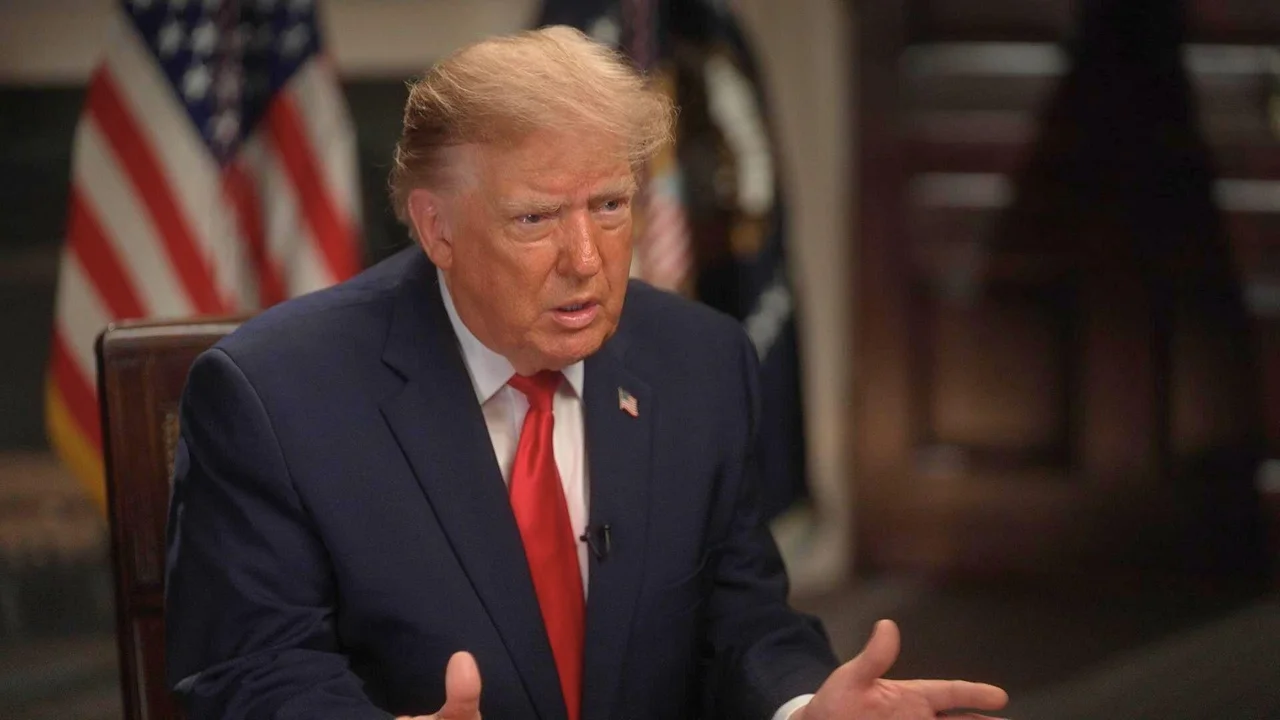
Speaking in an interview with CBS’s 60 Minutes programme aired on Sunday, November 8, Trump said his immigration crackdown had both helped and hurt Republicans, particularly because it affected undocumented immigrants who had jobs and were contributing to the economy.
The president maintained that his administration had succeeded in strengthening border security and deporting people involved in criminal activities, but acknowledged that removing other undocumented workers had divided public opinion.
“I think it might be too tough, yeah,” Trump said when asked whether his deportation policies had gone too far.
The remarks represent a notable acknowledgement from a president who made mass deportations and stricter immigration enforcement central commitments of his second term.
They also come as Republicans assess the reasons behind their electoral losses, which handed Democrats control of both the House of Representatives and the Senate.
Trump admits immigration crackdown may have gone too far
During the interview with CBS correspondent Ross Douthat, Trump defended his administration’s record on border security, saying he deserved an “A+” for his efforts.
However, he acknowledged that deportations involving undocumented immigrants who had established working lives in the United States had created political difficulties.
Trump specifically referred to people employed in landscaping companies, hotels and other businesses, including workers who paid taxes.
He said Americans were divided over whether such immigrants should be allowed to remain in the country despite lacking legal immigration status.
The president suggested that enforcement against undocumented workers who had committed no other offence had contributed to dissatisfaction with his administration.
Trump also expressed willingness to negotiate with Democrats on immigration policy.
He said an agreement was possible but did not explain what changes he would support, whether certain workers could qualify for legal protection or how deportation priorities might be revised.
The comments leave uncertainty over whether the administration intends to change its enforcement strategy or merely reconsider how existing policies are implemented.
Immigration concerns contributed to Republican election losses
Trump’s acknowledgement follows evidence that immigration enforcement had become a growing concern among voters, including some communities that supported him during the 2024 presidential election.
According to CBS News’ analysis of the 2026 midterm exit polls, 58 per cent of voters believed the administration’s immigration actions had gone too far.
The findings suggest that immigration policy contributed to dissatisfaction with the Republican Party, although economic conditions and other political concerns also influenced voting decisions.
Reuters reported on November 5 that Latino voters played an important role in Democratic gains in several traditionally Republican areas.
Interviews with voters identified concerns about immigration enforcement alongside rising living costs and broader dissatisfaction with the administration.
The shift was particularly significant in parts of Texas, where Republicans had made electoral gains among Latino voters during Trump’s successful 2024 presidential campaign.
However, voter surveys do not establish that immigration was solely responsible for the Republican defeat. Economic concerns, the war with Iran and dissatisfaction with the administration’s wider policies were also important factors.
Vance blames Iran war, suggests changes to immigration enforcement
Vice-President JD Vance offered a different emphasis in his assessment of the election results, identifying the United States’ war with Iran as a major reason Republicans lost support.
Vance argued that voters were concerned about the conflict, rising living costs and the administration’s failure to meet expectations on domestic priorities.
He also indicated openness to reconsidering aspects of immigration enforcement, including placing greater attention on businesses that employ undocumented workers.
Such an approach would shift some enforcement attention towards employers rather than relying primarily on arrests and deportations of individual workers.
Trump said he did not fundamentally disagree with Vance’s assessment of the Iran war, although he continued to defend his administration’s decision to launch military action.
The differing explanations reflect a wider debate among Republicans over how the party should respond to the election results and which policies require changes.