


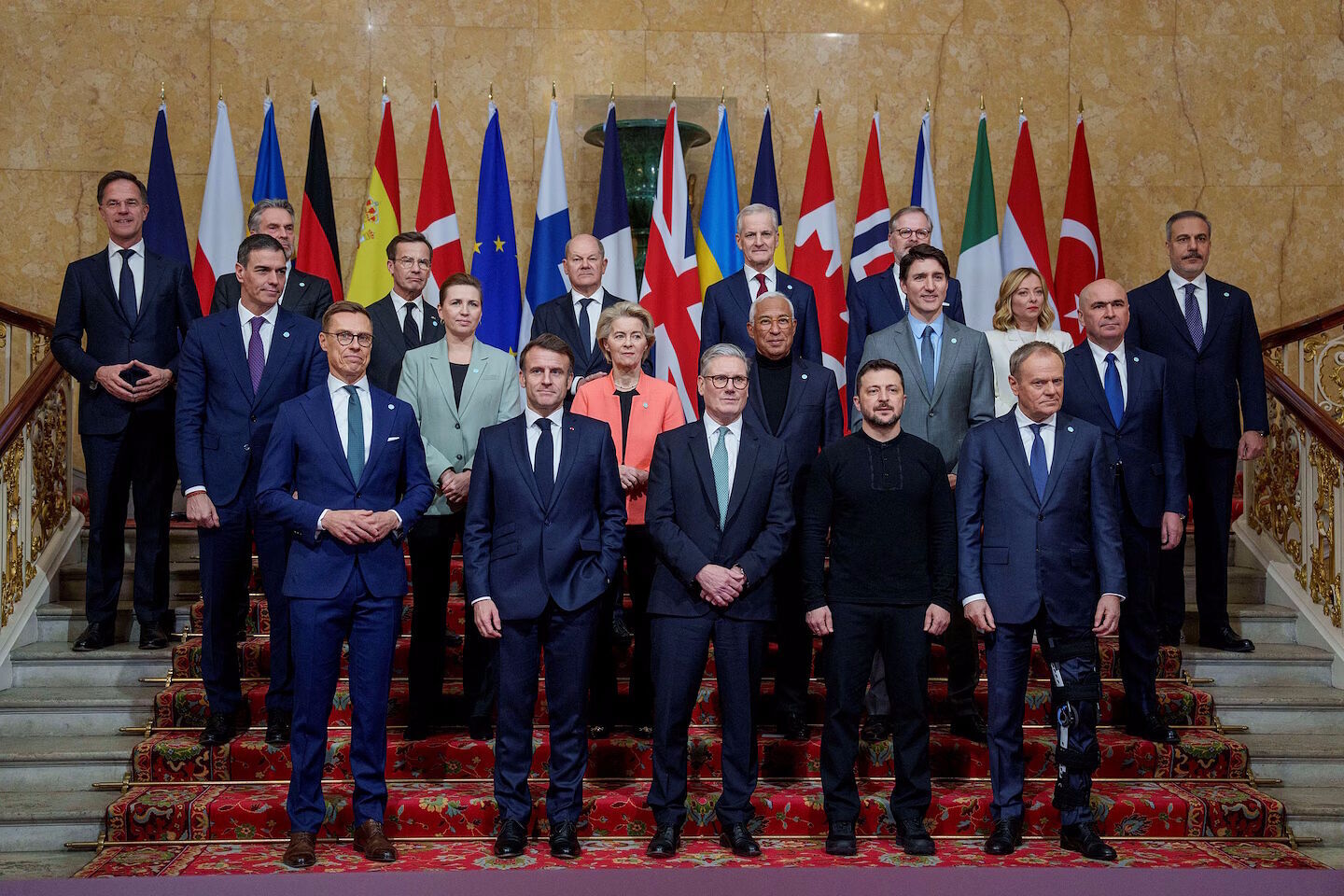
Poland’s Tusk says intelligence points to “accidental” drone and missile strikes designed to test NATO’s Article 5, as seven countries issue coordinated warnings within days.
European leaders across at least seven countries have issued a wave of warnings in recent days over what they describe as an intensifying campaign of Russian hybrid attacks, ranging from drone incursions to cyberattacks and sabotage targeting nations supporting Ukraine.
Poland sounds the alarm
Polish Prime Minister Donald Tusk told the Sejm on Thursday, 17 September, that intelligence assessments indicate Russia is planning “hybrid” strikes using drones and missiles against countries supporting Ukraine, including Poland itself.
Tusk said such strikes would likely be framed as “accidental,” intended to paralyse NATO or weaken members’ resolve to invoke Article 5, the alliance’s mutual defence clause.
“There is a real risk that the territory of one or several NATO countries on the eastern flank may be entered by drones or other types of missiles, which may even cause destruction. And the official narrative will be that this is an accident and that there is no reason for anyone to contemplate any response from NATO,” he said.
Tusk’s warning followed a string of incidents blamed on Russia, including a drone strike on a passenger train near the Polish border, the recovery of a Russian drone carrying a warhead off Poland’s northwestern coast, and NATO jets shooting down a drone over Lithuania.
France orders infrastructure protection
French President Emmanuel Macron said on Friday that the Russian hybrid threat facing Europeans and France had intensified in recent weeks, and that he had ordered his government to prepare a plan protecting critical infrastructure, including sensitive defence industry sites, against drone and cyberattacks.
“In recent weeks, the threat, particularly the Russian hybrid threat, facing Europeans and France has intensified,” Macron said, adding that the attacks would not go unanswered and that Europe would not be intimidated into scaling back support for Ukraine.
Finland, Czechia and the Netherlands respond
Finnish President Alexander Stubb urged citizens to “mentally prepare” for the possibility of sabotage and drone incursions, noting that four drones have already fallen on Finnish territory this year.
He distinguished between “kinetic war,” the conflict between Ukraine and Russia, and “hybrid war,” which he said Russia is waging against Europe more broadly, while urging calm and warning against overreacting to individual reports.
Czech Prime Minister Andrej Babiš said, in direct response to Tusk’s warning, that “we are facing a hybrid war from Russia,” adding that Czech intelligence services were giving the threat their “greatest possible attention” and sharing information with international partners.
Dutch Prime Minister Rob Jetten said Tusk’s warning should be taken seriously, and that European countries needed to demonstrate they would respond to such actions rather than accept them, a position that aligns with Dutch military intelligence agency MIVD’s own recent findings of rising Russian hybrid activity targeting the Netherlands, including a cyberattack against a Dutch public service system.
Lithuania’s evacuation planning
Lithuania has finalised a population evacuation plan for potential military or civilian threats, approved by its Interior Ministry in July, involving Poland’s Podlaskie province as a transit corridor for residents.
“Evacuation must begin before an immediate threat arises,” said Žygimantas Solovyovas of Vilnius’s Civil Defence Department.
Reports of a specific €6 million allocation tied to evacuation infrastructure could not be independently verified as of this report.
Claims requiring further verification
Additional claims circulating alongside these confirmed statements, that Switzerland’s Federal Council has adopted a new security strategy explicitly citing Russian hybrid threats, that Germany’s National Security Council has approved new counter-espionage and sabotage measures, and that Russia has designated certain UK sites in Ukraine as “legitimate targets”, are consistent with the broader pattern of European concern but could not be independently confirmed against primary sources as of publication. TDC will update this report if further verification becomes available.
NATO’s position
Despite the wave of warnings from national leaders, NATO’s public position has so far distinguished the rise in hybrid activity from an imminent threat of conventional attack against alliance territory.
Hybrid operations, as defined by the EU, include cyberattacks, sabotage, disinformation campaigns, drone incursions and interference in democratic processes, tools Western officials say Russia is using to test European resolve without triggering a full military response.