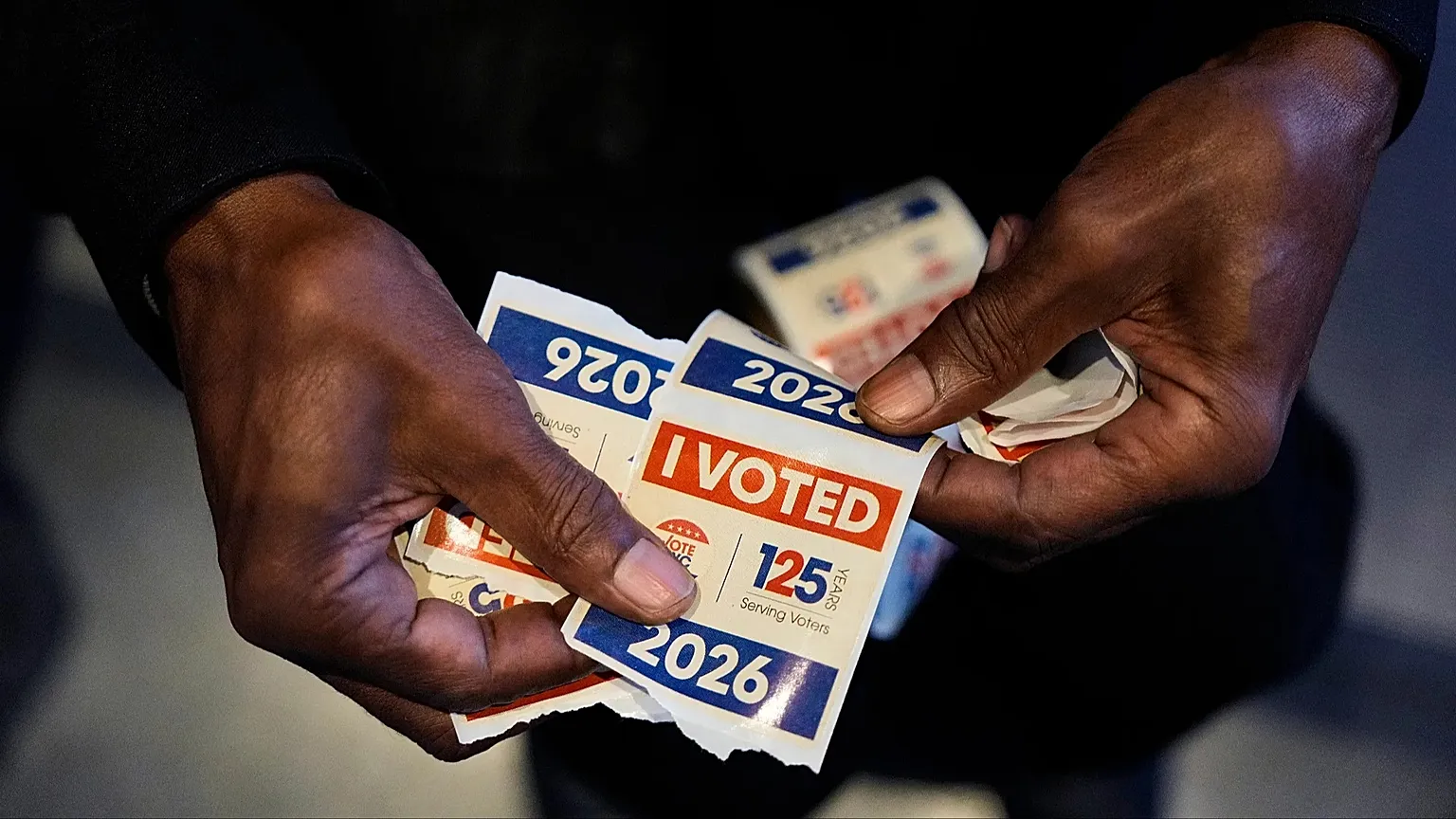
The November 3 elections saw candidates break longstanding barriers in governorships and the US Senate, with significant victories across Georgia, Michigan, Texas and other states.
The 2026 United States midterm elections have produced a series of historic breakthroughs, with voters electing the country’s first Black woman state governor, first Muslim senator and first Native American woman governor.
The elections, held on Tuesday, November 3, also saw the first openly gay man elected to the US Senate, alongside victories that ended decades of political dominance in several states.
Democrats secured most of the historic firsts, including major governorship victories in Georgia and Texas, while Republicans recorded a milestone in Florida with the election of the state’s first Black governor.
The results mark a significant expansion in representation among America’s elected leaders, although several of the successful candidates will not formally assume office until their new terms begin.
Bottoms becomes first Black woman elected US state governor
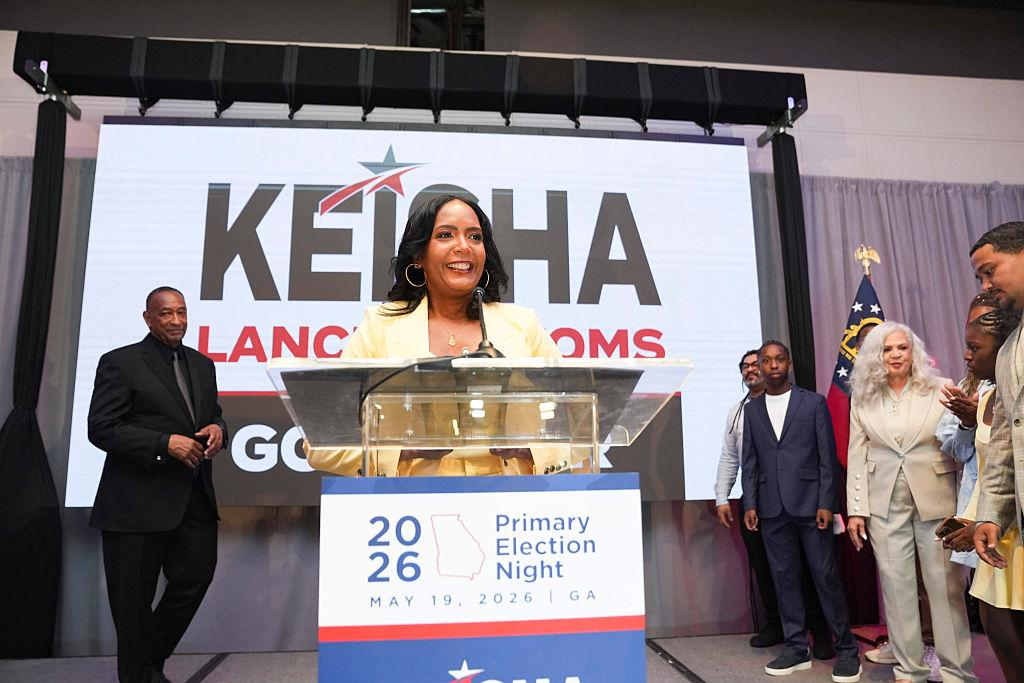
Former Atlanta mayor Keisha Lance Bottoms made history in Georgia by defeating Republican businessman Rick Jackson to become the first Black woman elected governor of a US state.
The Democrat will also become Georgia’s first female governor and its first Black governor.
Her victory ended more than two decades of Republican control of the state’s governorship, which Democrats last won in 1998.
Bottoms previously served as Atlanta’s mayor and held senior positions in former President Joe Biden’s administration.
Her election follows two unsuccessful governorship campaigns by fellow Democrat Stacey Abrams, whose political organising helped increase voter participation in Georgia.
El-Sayed becomes first Muslim elected to US Senate
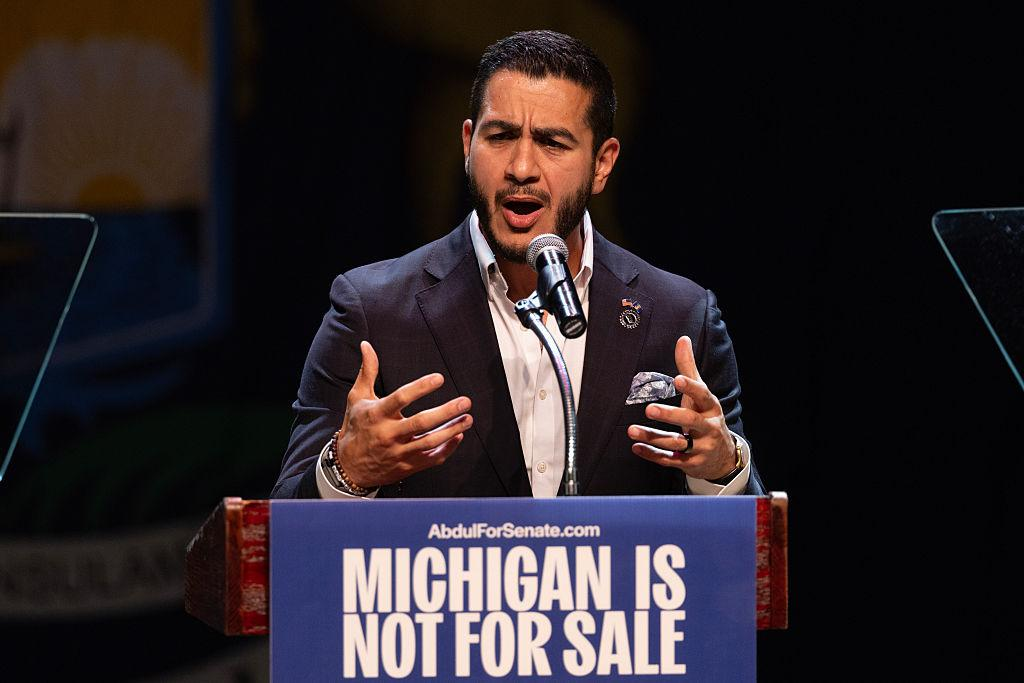
In Michigan, Democrat Abdul El-Sayed defeated former Republican congressman Mike Rogers to become the first Muslim elected to the US Senate.
The Egyptian-American physician and former Detroit health director secured the seat being vacated by Democratic Senator Gary Peters, who decided against seeking re-election.
El-Sayed campaigned on expanding access to healthcare, reducing economic inequality and limiting corporate influence in politics.
His campaign also attracted national attention over his opposition to American military support for Israel and disagreements within the Democratic Party over foreign policy.
The victory makes El-Sayed the first Muslim to win election to the upper chamber of the US Congress.
Native American women secure historic victories
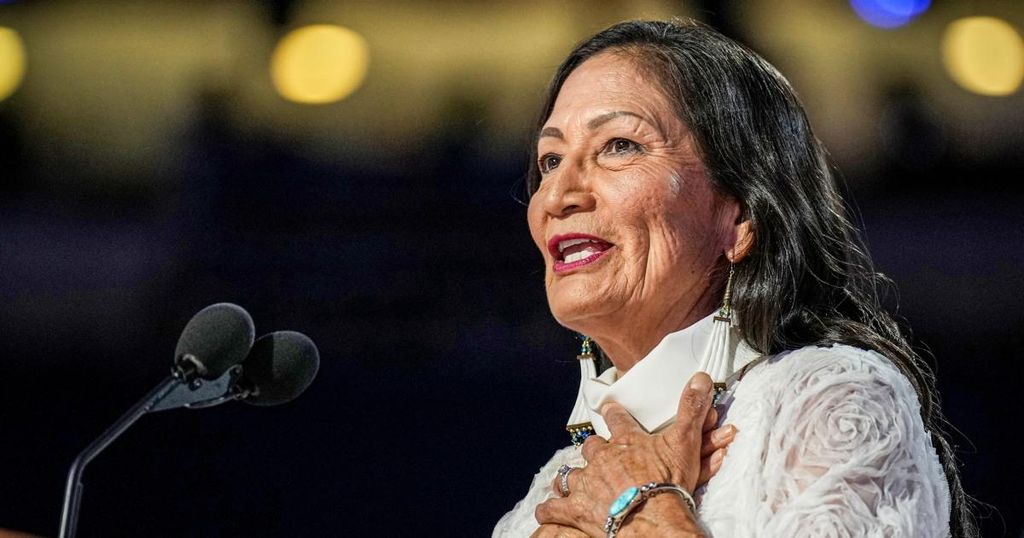
Two Native American women also recorded breakthroughs in governorship and Senate elections.
In New Mexico, Democrat Deb Haaland defeated Republican Greggory Hull to become the first Native American woman elected governor of a US state.
Haaland, a member of the Laguna Pueblo, previously served as US interior secretary under Biden.
She was also among the first Native American women elected to the US House of Representatives in 2018.
Her latest victory extends a political career that has included several milestones in Indigenous representation at the federal level.
In Minnesota, Lieutenant Governor Peggy Flanagan defeated Republican Michele Tafoya to become the first Native American woman elected to the US Senate.
Flanagan, a member of the White Earth Band of Ojibwe, will succeed retiring Democratic Senator Tina Smith.
Her election follows years of involvement in state politics, including service as Minnesota’s lieutenant governor since 2019.
Pappas becomes first openly gay man elected senator
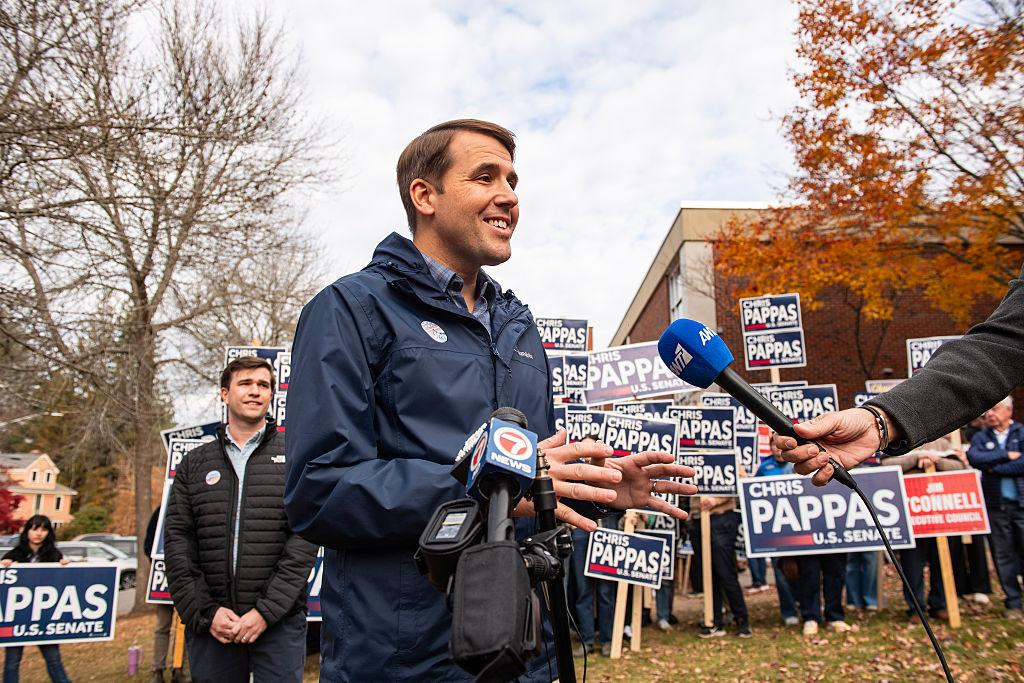
New Hampshire Democrat Chris Pappas defeated former Republican senator John E. Sununu to become the first openly gay man elected to the US Senate.
Pappas, who has represented New Hampshire in the House of Representatives since 2019, won the race for the seat being vacated by Democratic Senator Jeanne Shaheen.
His victory represents a milestone for LGBTQ+ representation in Congress.
However, he is not the first openly LGBTQ+ senator. Tammy Baldwin of Wisconsin became the first openly gay person elected to the Senate in 2012 and took office in 2013.
Pappas is the first openly gay man to win election to the chamber.
Hinojosa ends Republican control of Texas governorship
Texas recorded another major political change as Democrat Gina Hinojosa defeated incumbent Republican Governor Greg Abbott.
Hinojosa becomes the first Latina elected governor of Texas and the first Democrat to win the office since Ann Richards’ victory in 1990.
Her election ends more than three decades of Republican control of the governorship.
A state legislator from Austin, Hinojosa campaigned on affordability, public education and government accountability.
Abbott, who had governed Texas since 2015, was seeking a fourth consecutive term.
The outcome represents a significant change in the leadership of a state that has long been central to Republican politics.
Florida and Wisconsin elect first Black governors
In Florida, Republican congressman Byron Donalds defeated Democrat David Jolly to become the state’s first Black governor.
Donalds, an ally of President Donald Trump, will succeed outgoing Governor Ron DeSantis.
His election also makes him the first Black Republican elected governor of a US state.
Meanwhile, Wisconsin elected Democrat David Crowley as its first Black governor.
Crowley, the Milwaukee County executive, defeated Republican congressman Tom Tiffany in the contest to succeed Governor Tony Evers.
Unlike the victories in Georgia and Texas, Florida’s result preserved Republican control of the governorship, demonstrating that the historic breakthroughs occurred across party lines.
The new governors and senators are expected to take office when their respective terms begin, following the completion of the electoral and transition processes.
Beyond the individual milestones, the November 3 results have changed the political leadership of several states and expanded representation in offices where Black Americans, Native Americans, Muslims and LGBTQ+ people have historically been underrepresented.