


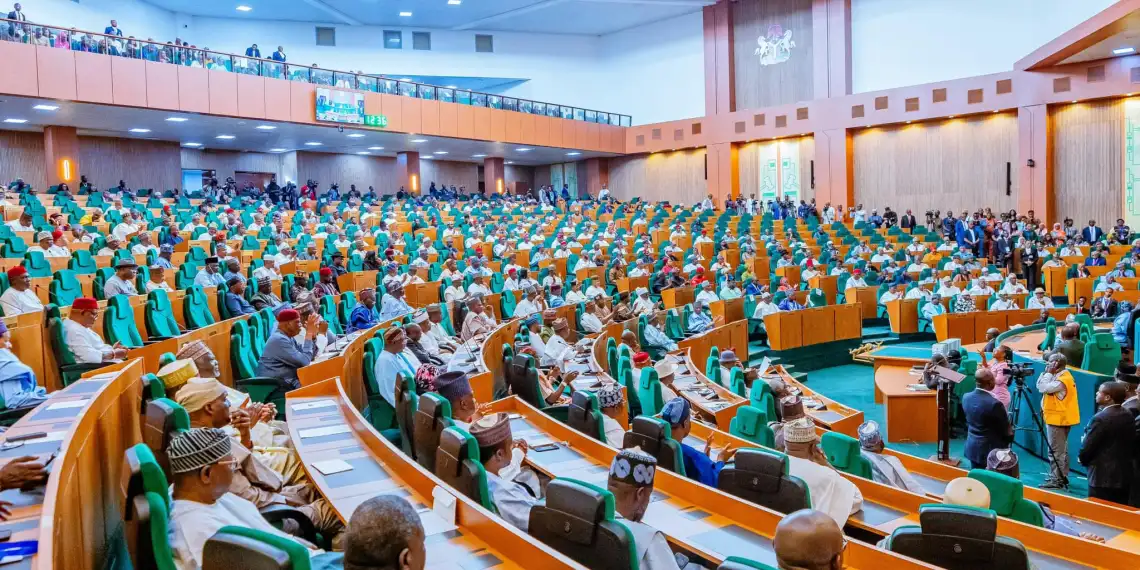
Nigeria’s House of Representatives is considering a bill that would bar landlords in the Federal Capital Territory (FCT) from demanding more than a year’s rent upfront, amid mounting worries about housing costs in Abuja.
Titled the Federal Capital Territory Advance Rent Regulation and Tenants’ Protection Bill, 2026, the measure is sponsored by Paul Nnamchi and co-sponsored by Ahmed Doro. It cleared first reading on Thursday, October 22. Should it become law, it would cap mandatory upfront rent at 12 months, create a regulatory body for rentals, and outlaw unlawful evictions.
It arrives as residents struggle with climbing rents, agent commissions and extra charges that make finding a home in Abuja harder.
What does the bill address?
The bill would forbid landlords, estate agents and property managers from requiring more than 12 months’ rent in advance to grant, renew or continue a tenancy, across both residential and commercial premises in the FCT.
It also targets workarounds, such as mandatory service charges or sham renewals, that would effectively force tenants to hand over more than a year’s rent at once.
Tenants could still choose to pay more than 12 months, as long as the choice is truly voluntary, free from pressure, and recorded in writing.
A new body, the FCT Rent Regulation and Tenants’ Protection Authority, would handle complaints, mediate disputes, watch rental practices and direct refunds of illegally collected rent within 30 days.
Landlords or agents who knowingly break the rule could be fined 500,000 to 5 million naira, while companies could face 5 million to 20 million naira.
The bill would further ban unlawful eviction tactics, including threats, violence, cutting off essential utilities, destroying a tenant’s possessions and changing locks without legal authority. Landlords would still be able to recover unpaid rent and retake their properties through proper legal channels.
The bill has only had its first reading and is not law. It must clear further stages first.
How Does Lagos Compare?
Abuja isn’t the first Nigerian city to pursue such limits. In July 2025, the Lagos State House of Assembly put forward the Lagos State Tenancy and Recovery of Premises Bill, 2025, aimed at excessive rent demands, improper charges and landlord-tenant disputes.
Like Abuja’s bill, it would stop landlords from asking new tenants for more than a year upfront, but it sets a three-month ceiling for existing tenants who pay monthly. It would also cap agency fees at five percent, require estate agents to register with the Lagos State Real Estate Regulatory Authority (LASERA), and give tenants a way to contest unreasonable rent hikes.
In short, Abuja’s bill centres on advance rent, illegal evictions and a dedicated complaints and refunds authority, whereas Lagos covers a broader set of rental practices, including agent fees and disputes.
Neither is law yet. Abuja’s has just had its first reading, and Lagos’s was reported earlier this year to be under legislative review.
Impact on Tenants and Property Owners
Tenants would gain most immediately from needing less cash before moving in. A person on a modest salary may be unable to pay two years’ rent at once, especially with agency, agreement and caution fees on top. Capping compulsory advance payments could open up housing to people who can’t front several years’ rent.
The new authority would also give tenants a clearer route to challenge illegal charges and evictions, with powers to investigate, mediate and order refunds.
Landlords, though, might need to rethink how they run their properties. Some depend on upfront rent to pay for upkeep or service loans, and others worry about missed payments and the delays of recovering arrears in court.
The bill doesn’t strip landlords of the right to collect rent or reclaim their property. It aims to ensure they do so through lawful means rather than intimidation or self-help.
Still, it may make rent easier to pay without actually making it cheaper.
Is Abuja’s Urban Overhaul Pushing Rents Up?
The rent debate coincides with major infrastructure and redevelopment work under FCT Minister Nyesom Wike, including new roads, expansion into satellite towns and rebuilding in parts of the capital. These changes are reshaping how residents reach and value different neighbourhoods.
Such development can make once-remote areas more appealing to residents and investors. Better roads ease commutes, boost demand in newly connected areas and lift expectations of future property values. When demand outpaces affordable supply, rents tend to climb.
At the same time, Wike’s land reclamation drive has created uncertainty over ownership, and the FCT Administration has recently stepped up demolitions and land revocations. Some owners, worried about compliance costs, property values and their investments, may factor that into their rents.

The bill could meaningfully protect tenants, but enforcement will decide its success. A cap on advance rent won’t help much if landlords sidestep it through extra charges or if tenants lack an accessible way to report violations.