Nigeria could face dangerously high temperatures during the November 2026 to March 2027 dry season, according to a heat-risk advisory shared by the National Emergency Management Agency (NEMA). The advisory warns that prolonged heat could increase the risk of dehydration, heat exhaustion and other heat-related illnesses.
The warning also highlights concerns for schoolchildren, older people, pregnant women and people with existing health conditions. With the hot season expected to peak between January and March 2027, taking precautions at home, in schools and outdoors will be important.
Whether you live in a busy city such as Lagos or Abuja or in a rural community, understanding how to cope with extreme heat can help protect your health.
Here are 10 practical ways to survive the predicted El Niño heat wave in Nigeria.
1. Drink water regularly
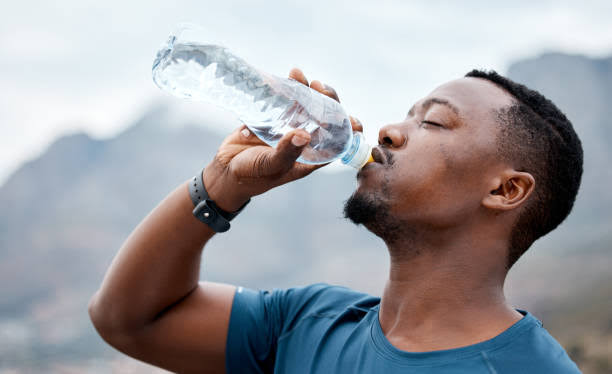
One of the most important ways to protect yourself during extreme heat is to stay hydrated. Your body loses water through sweating, and failing to replace those fluids can lead to dehydration.
Drink water regularly throughout the day, particularly when spending time outdoors. Carry a reusable water bottle when travelling, working or attending events.
Do not wait until you feel extremely thirsty before drinking. If you sweat heavily, spend long periods outside or engage in physical activity, you may need additional fluids. People with medical conditions that require fluid restrictions should follow their healthcare provider’s advice.
Limit excessive alcohol consumption and avoid relying on sugary drinks to replace water.
2. Avoid direct sunlight
The sun can be particularly intense during the middle of the day. NEMA’s advisory recommends avoiding direct sunlight, especially between 11 a.m. and 4 p.m.
Where possible, schedule errands, exercise and outdoor work for the early morning or later in the evening. If you must be outside during peak heat hours, take regular breaks in shaded or cool areas.
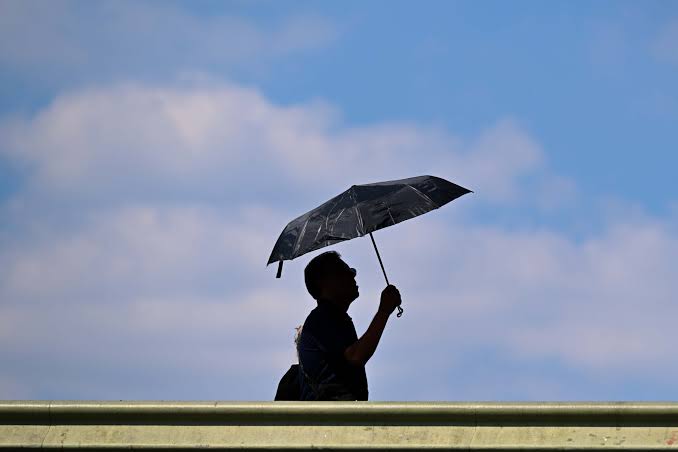
Use an umbrella, wear a wide-brimmed hat and apply broad-spectrum sunscreen to exposed skin. Remember that shade reduces direct sun exposure but does not eliminate the effects of high air temperatures.
3. Wear light, breathable clothing
Your clothing can influence how comfortably your body handles hot weather. Choose loose-fitting garments made from lightweight, breathable fabrics, such as cotton.
Light-coloured clothing can also help reflect some sunlight. Avoid tight, heavy outfits that trap heat, particularly when travelling long distances or working outdoors.
A hat and sunglasses can provide additional protection when you need to be outside.

4. Keep your home cool
Not everyone has access to air conditioning, but there are practical ways to make a home more comfortable during extreme heat.
Close curtains or blinds on windows receiving direct sunlight during the hottest part of the day. Open windows when the air outside is cooler, provided it is safe to do so. Use fans to improve air circulation, but remember that fans may not adequately protect you when temperatures become extremely high.
If possible, spend the hottest hours in a cooler location, such as a well-ventilated public building. Check on neighbours and relatives who live alone, particularly older people and those with limited mobility.

5. Recognise the signs of heat exhaustion
Heat exhaustion occurs when the body struggles to cope with excessive heat and loses water and salts through sweating.
Common symptoms include heavy sweating, headache, dizziness, weakness, nausea, muscle cramps and a rapid heartbeat.
If someone develops these symptoms, move them to a cooler place, loosen unnecessary clothing and help them cool down with water or cool, wet cloths. Give them small sips of water if they are fully alert and able to swallow safely.
Seek medical help if symptoms worsen or fail to improve promptly.
Confusion, seizures, fainting or very high body temperature may indicate heatstroke, a life-threatening emergency. Call for emergency medical assistance immediately, begin rapid cooling and do not give fluids to someone who is confused or unconscious.
6. Take extra care of children and vulnerable people
Children, older adults, pregnant women and people with chronic illnesses may be more vulnerable to extreme heat. Certain medications can also affect the body’s ability to regulate temperature or maintain fluid balance.
Parents should ensure that children drink water regularly, wear appropriate clothing and have access to shade during outdoor activities. Schools should provide safe drinking water, adequate ventilation and shaded areas, while allowing students to take breaks when necessary.
Never leave a child, an older person who needs assistance or a pet unattended inside a parked vehicle. Temperatures inside vehicles can rise rapidly, even when the weather outside does not seem extreme.

7. Adjust your exercise and outdoor work routine
Physical activity generates additional body heat, making strenuous exercise more difficult during hot weather. If you exercise outdoors, consider moving your sessions to early morning or evening, when temperatures are generally lower.
Outdoor workers, including traders, construction workers, farmers and transport workers, should take frequent breaks in shaded areas and drink water regularly. Employers should provide drinking water, rest periods and appropriate measures to reduce heat exposure.
Stop exercising or working if you begin to feel dizzy, weak, nauseated or unusually exhausted. Rest in a cool place and seek medical attention if symptoms persist.
8. Eat well and handle food safely
Extreme heat can make it harder to keep perishable food safe, particularly when electricity supply is unreliable.
Eat regular meals containing fruits, vegetables and other nutritious foods. Water-rich foods, including watermelon, oranges and cucumbers, can contribute to your daily fluid intake, although they should not replace drinking water.
Keep cooked food properly refrigerated where possible, and avoid leaving meat, fish, dairy products and prepared meals at room temperature for extended periods. Discard food that may have spoiled rather than risking food poisoning.
9. Prepare for water shortages and power outages
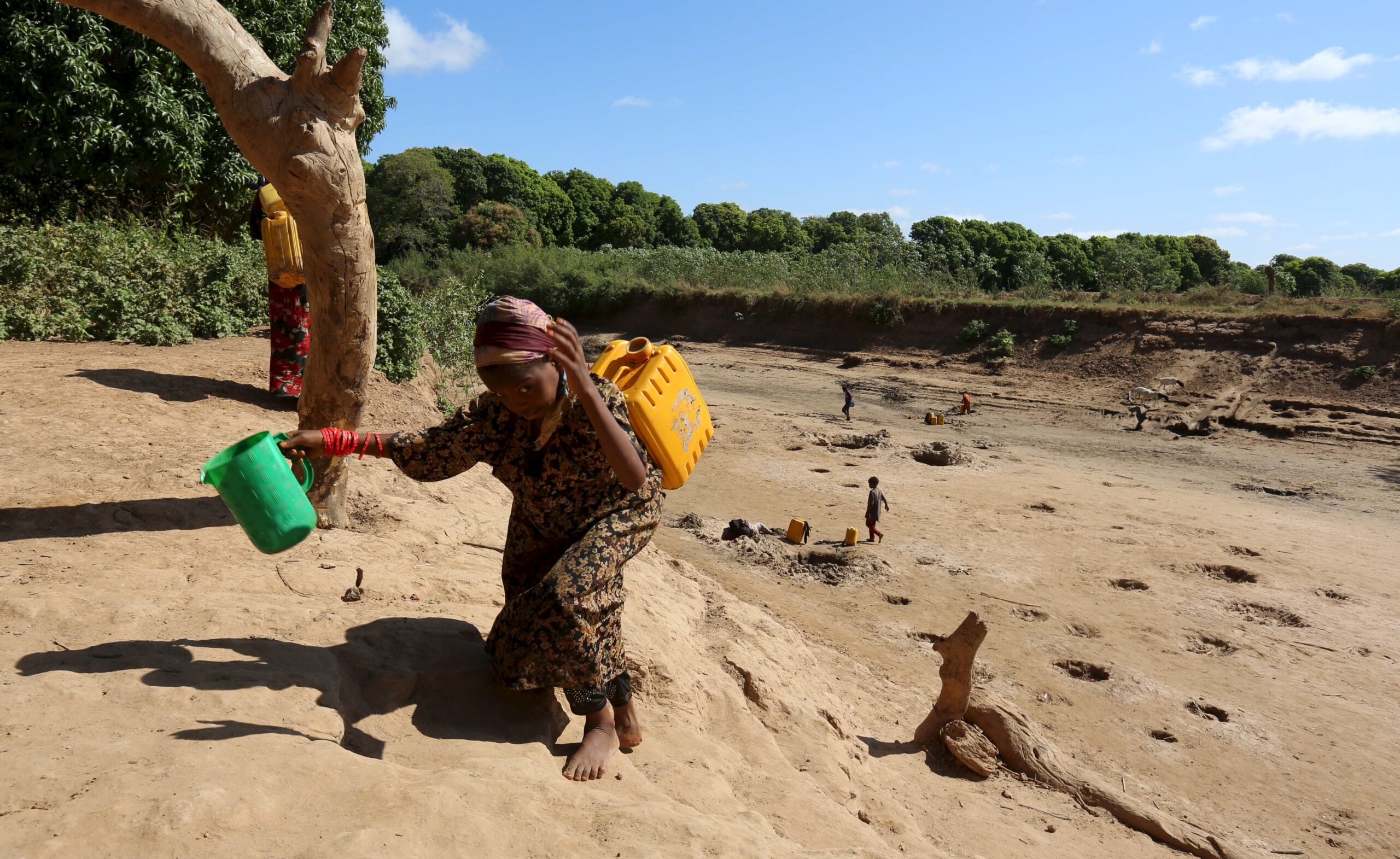
Nigeria’s dry season can place additional pressure on water supplies, while increased demand for electricity may make cooling difficult.
Store drinking water safely in clean, covered containers and use water carefully. Follow official guidance on water safety if supplies become contaminated or unreliable.
If electricity fails, close curtains against direct sunlight, reduce unnecessary heat-producing activities and move to the coolest available room. If your home becomes dangerously hot, seek a safer, cooler location.
10. Follow official updates
El Niño is a climate pattern that affects ocean temperatures and atmospheric circulation, influencing rainfall and temperature patterns in different parts of the world. However, a strong El Niño does not automatically mean every Nigerian state will experience the same weather conditions.
The World Meteorological Organization has warned that the current El Niño event could become very strong, increasing the potential for extreme weather in 2026 and 2027. Nigerians should follow updates from NEMA, the Nigerian Meteorological Agency (NiMet) and relevant state emergency management agencies.
Surviving Nigeria’s predicted El Niño heat wave will require preparation, awareness and practical daily habits. Drinking enough water, avoiding peak sunlight, keeping homes cool and recognising the warning signs of heat-related illness can reduce the risks.
While individuals can take steps to protect themselves, governments, schools and employers also have a responsibility to provide safe working and learning environments.
As the dry season approaches, preparing early could help keep you and your family safer during periods of extreme heat.