


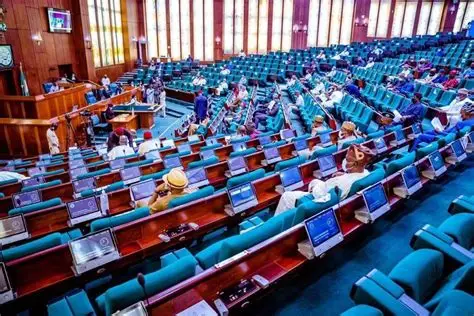
A House bill would bar Abuja landlords from demanding more than 12 months’ rent, create a rent authority and fine offenders up to N20 million.
The House of Representatives is considering a bill that would stop landlords, property managers and estate agents in the Federal Capital Territory (FCT) from demanding more than 12 months’ rent before granting or renewing a tenancy.
The bill is sponsored by Paul Nnamchi (Enugu East/Isi-Uzo) and Ahmed Doro (Bindawa/Mani, Katsina). It also proposes an authority to regulate rental payments and protect tenants from unlawful practices.
What the Abuja rent bill proposes
The bill goes beyond a simple cap. It would stop landlords from getting round the limit through intermediaries, compulsory service charges, artificial tenancy renewals, separate agreements or other arrangements meant to force tenants to pay more than 12 months’ rent upfront.
Tenants could still pay for more than one year if they start the arrangement themselves. There must be no coercion, threats, discrimination or retaliation, and both the agreement and the payment must be in writing.
Landlords and authorised agents would also have to provide a written tenancy agreement before or at the start of a tenancy. It would have to state the rent, payment schedule, duration, refundable deposits, additional charges, and the rights and obligations of both parties.
Penalties and the new rent authority
The bill would establish the Federal Capital Territory Rent Regulation and Tenants’ Protection Authority. It would investigate complaints, monitor compliance, facilitate dispute resolution and order refunds of unlawful rent. A refund would be due within 30 days of the order being served.
Individuals convicted of knowingly violating the advance rent limit would face fines of between N500,000 and N5 million. Corporate offenders would pay between N5 million and N20 million. Anyone convicted of ignoring a valid compliance notice from the authority could be fined up to N1 million.
Tenants and landlords would keep the right to go to court. Anyone unhappy with a decision of the authority could appeal to the FCT High Court within 30 days.
Why the Abuja rent bill matters
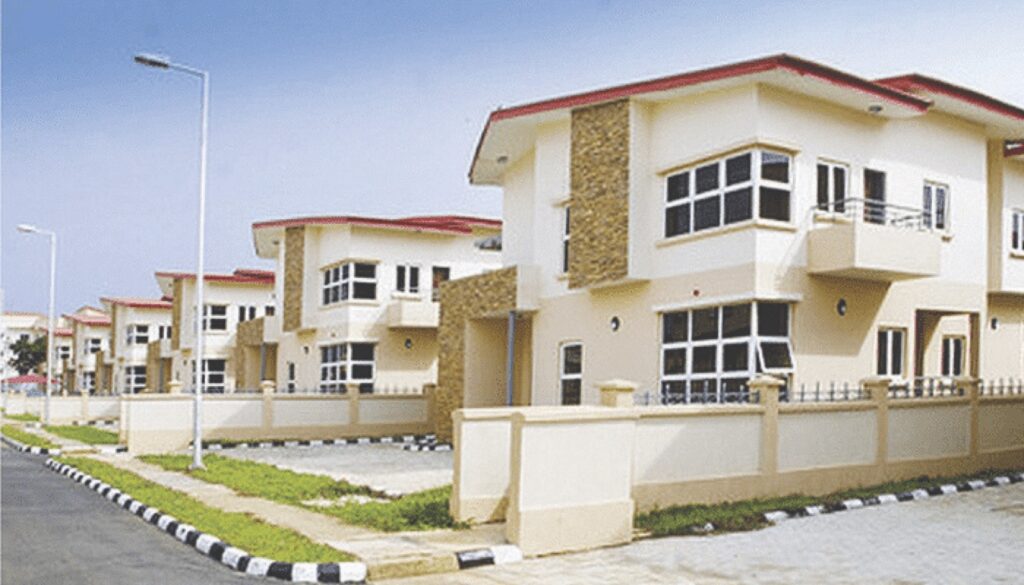
Many tenants in the FCT are asked for one or two years’ rent upfront. The House has acted on rent before. In October 2025 it adopted a motion by Bassey Akiba urging a nationwide cap of 20 per cent on annual rent increases. The motion cited Abuja neighbourhoods where rents reportedly rose from about N800,000 to N2.5 million a year after road upgrades. It was a resolution, not a law, and no evidence of its enforcement has been found.
The Senate is also working on the issue. A Senate bill on FCT rent regulation, tenancy and housing stability, sponsored by Asuquo Ekpenyong, was introduced for first reading on 8 July 2026. A 2022 Senate bill proposing a three-month limit on advance rent passed second reading, but the FCT still lacks a comprehensive tenancy framework, according to a recent policy review.
Reaction to such proposals has been divided. At a 2022 public hearing, labour and tenants’ groups backed the Senate bill. The Estate Surveyors and Valuers Registration Board of Nigeria and the Nigerian Institute of Building opposed it.
The House bill must pass both chambers and receive presidential assent before it can become law.