

The soldiers died in an explosion near Gamboru, close to Nigeria’s border with Cameroon, as troops monitored militia members clearing roadside vegetation.
At least eight Nigerian soldiers have been killed after their patrol vehicle struck a landmine allegedly planted by Islamic State West Africa Province (ISWAP) fighters in Borno State.
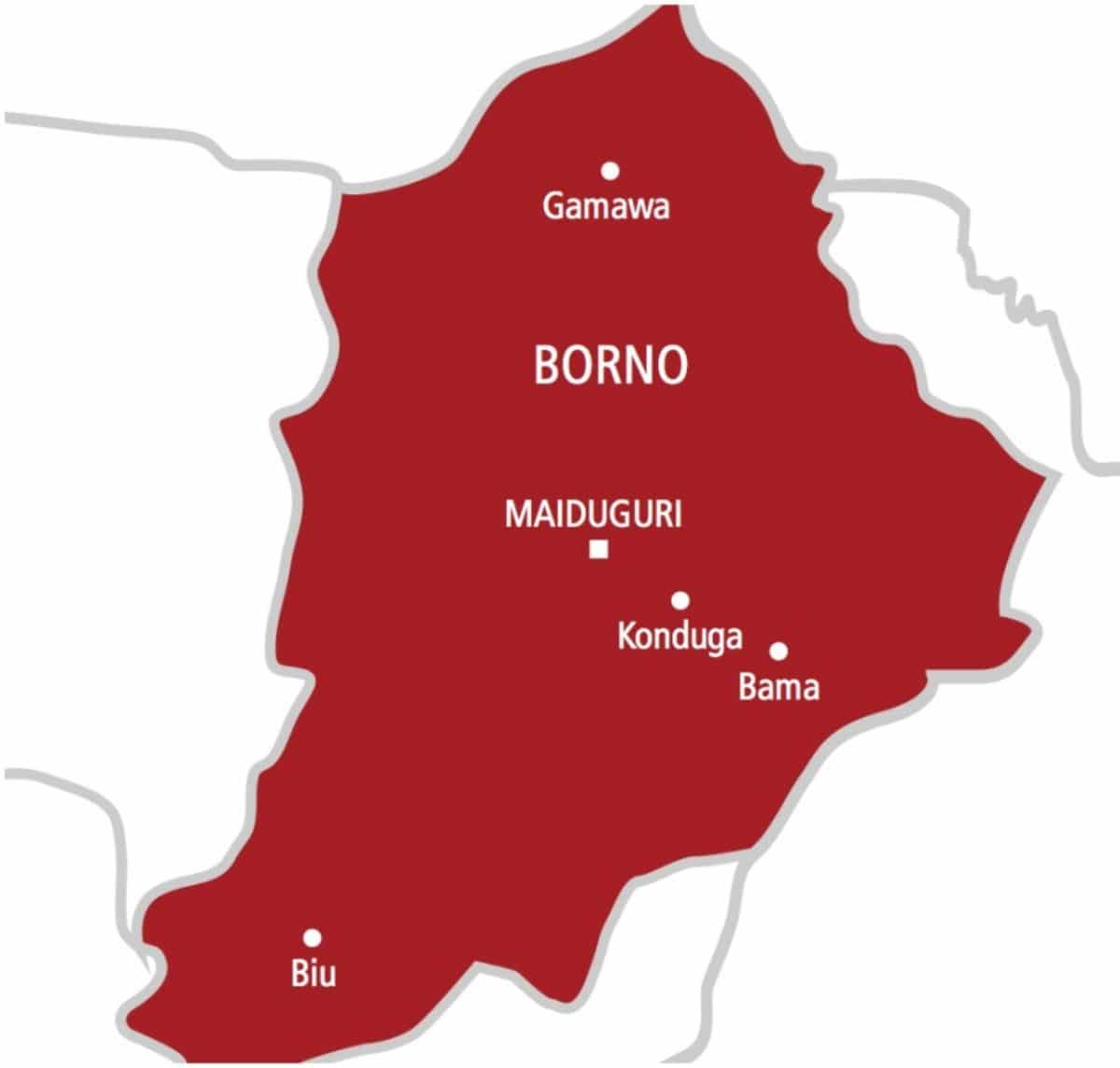
The explosion occurred on Saturday, October 17, in Kinuba village, about 25 kilometres from Gamboru, near the border with Cameroon, according to reports by the Agence France-Presse (AFP), which cited military and militia sources.
A military officer in the region told AFP that all eight soldiers aboard the vehicle died in the blast.
The soldiers were reportedly monitoring members of an anti-jihadist militia who were clearing dense vegetation along a highway outside Gamboru when the vehicle struck the explosive device.
Ibrahim Liman, a member of the militia assisting the military, also confirmed the death toll. He said the explosive had been planted on a dusty road and remotely detonated using a detonating cord.
Liman added that a militia member supervising the clearing operation sustained shrapnel injuries.
The military had not publicly confirmed the incident in the reports available at the time of publication. The attribution of the attack to ISWAP was based on accounts from sources cited by AFP.
Borno landmine attack follows deadly military base assault
The latest incident occurred on the same day Chief of Army Staff, Lieutenant General Waidi Shaibu, visited Maiduguri, the Borno State capital, following a deadly attack on a military base earlier in the week.
The previous assault, which took place in Kukawa Local Government Area, reportedly killed 15 soldiers and five members of an anti-jihadist militia.
The Nigerian Army confirmed that ISWAP fighters had launched a coordinated, multi-directional attack on troops of the 101 Special Forces Battalion in Kukawa. In a statement issued on October 7, the military said its troops, supported by the Nigerian Air Force, repelled the assault and killed more than 25 terrorists.
The Army did not initially disclose the number of soldiers killed in that encounter, saying only that some personnel had paid the supreme sacrifice. Media reports subsequently cited military sources who put the soldier death toll at eight or more.
During his October 17 visit to Maiduguri, Shaibu charged troops to sustain operations against Boko Haram and ISWAP while maintaining discipline and professionalism, according to a statement from the Army.
The latest landmine explosion adds to the casualties reported in the region within a period of heightened militant activity.
ISWAP landmines pose continued threat to troops and motorists
ISWAP, an affiliate of the Islamic State group, remains active in the Lake Chad Basin, including parts of Borno State bordering Cameroon.
The group has repeatedly attacked military positions and patrols in the North-East, where Nigerian forces have been fighting an insurgency involving ISWAP and rival jihadist group Boko Haram for more than a decade.
Roadside explosives are a particularly dangerous tactic because they allow militants to attack moving vehicles without engaging troops directly. Dense vegetation along rural highways can also provide cover for planting explosives and staging ambushes.
The latest incident occurred while militia members were clearing roadside thickets, an operation intended to reduce the cover available to militants. The patrol vehicle’s explosion demonstrates the risks faced by military personnel and local auxiliary forces operating along routes vulnerable to improvised explosive devices.
The wider insurgency has caused extensive loss of life and displacement across Nigeria’s North-East, with violence also affecting neighbouring countries around the Lake Chad Basin.
Nigerian military faces renewed pressure in Borno
The landmine attack follows another deadly confrontation in Kukawa on October 7, underscoring the continuing security challenges facing troops in Borno.
Although the Army said it repelled the Kukawa assault and killed more than 25 attackers, the deaths of soldiers in that encounter and the latest reported explosion highlight the risks confronting forces deployed against insurgents.
The military has continued to conduct operations against armed groups in the region, but the latest incident raises fresh concerns about the safety of patrols and road users near the Nigeria-Cameroon border.
As of the time of reporting, no official military statement detailing the circumstances of Saturday’s landmine explosion or announcing additional security measures had been identified in the available reports.