


A coroner’s inquest has been requested as the traditional ruler dismisses cultural taboo rumours, insisting the deaths stem from alcohol consumption.
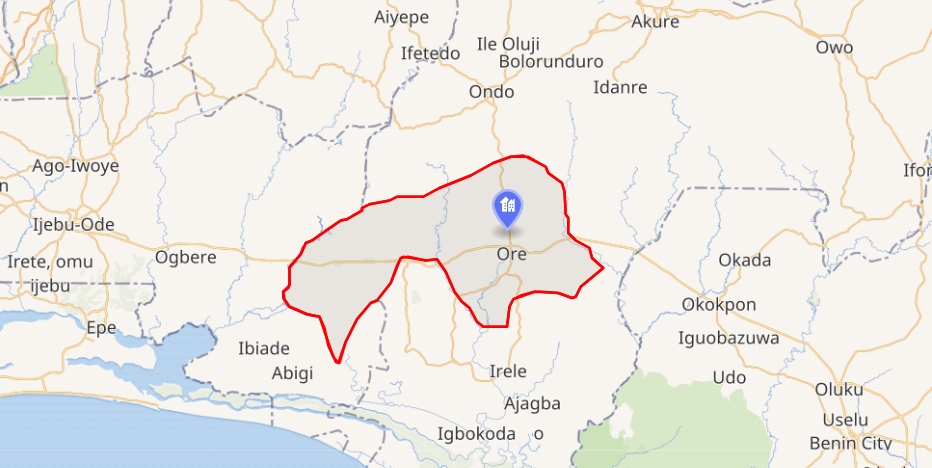
The death toll from a suspected poisoning incident in Odigbo Local Government Area of Ondo State has risen to 29, up from the 24 initially confirmed, as authorities continue investigating the exact cause and a suspect has been taken into custody.
Commissioner for Health Dr Banji Ajaka disclosed the updated figures on Friday night in Akure, saying the state has now recorded 60 suspected cases linked to the consumption of alcoholic substances.
He said three people remain admitted in hospital, while 27 others are under continued medical observation.
Who has been affected by the poisoning
Ajaka said 95 per cent of those affected were males aged between 16 and 55, with cases recorded across six communities: Orita Odigbo, Araromi-Obu, Newtown, Odole, Okele and Oniparaga.
Reported symptoms included headache, body pain, weakness, visual disturbance, difficulty breathing and altered consciousness, with some patients deteriorating rapidly.
“The pattern of illness and reported history of exposure have raised strong epidemiological suspicion of exposure to a probable toxic alcoholic substance. However, we are yet to have laboratory evidence of the cause of the deaths,” Ajaka said.
What investigators have found so far
Ajaka said 36 blood and urine samples have been collected for laboratory analysis, alongside samples of the suspected alcoholic substances themselves, which have been submitted for toxicological investigation.
He said preliminary findings had already ruled out viral and bacterial infections as the likely cause, with information gathered by investigators suggesting some victims may have consumed alcohol mixed with an unidentified substance or concoction shortly before falling ill.
Final laboratory results are expected to establish the specific substance responsible for the poisoning.
Odigbo Local Government Area Chairman Taiwo Adegoroye said a male suspect, alleged to have sold the herbal drink linked to the deaths, has been arrested and handed over to police in Akure, with further investigation ongoing into the source of the substance.
Families of the deceased have reportedly been directed not to bury their dead until required medical examinations are completed, and Adegoroye said the local government has approached the courts to seek a coroner’s inquest into the deaths.
Traditional ruler in dismisses taboo claims
Amid circulating rumours attributing the deaths to a cultural taboo, the traditional ruler of Odigbo Kingdom, Oba Dr Rufus Akinrimade, publicly rejected that explanation.
“At the end of the day, we realised it was caused by taking of different alcoholic substances, locally made alcohol. I think the death was caused by the intake of alcohol,” the monarch said, urging residents, particularly young people, to be cautious about what they consume and to verify the source of any substance before use.
Government response and public health measures
Ajaka confirmed the state has imposed a temporary ban on the production and sale of locally brewed alcoholic and alcoholic herbal beverages in the affected local government area, and urged residents to avoid alcoholic products from unlicensed sources.
He advised anyone experiencing blurred vision, breathing difficulty, sudden weakness, confusion or loss of consciousness after consuming alcohol to seek immediate medical attention, and appealed to residents and community leaders to promptly report unusual illnesses or sudden deaths to health authorities.
He said the investigation is being conducted in collaboration with relevant regulatory and security agencies, with several suspects already taken into custody, and assured the public that the government is working with national and international partners to identify the cause of the deaths and prevent further loss of life.
A recurring public health concern
The Odigbo incident adds to a pattern of mass poisoning cases linked to unregulated locally brewed alcohol that has periodically struck communities across Nigeria in recent years, often traced to contamination during informal production processes or the deliberate addition of substances to increase potency.
Public health experts have repeatedly called for stronger regulation of informal alcohol production and distribution networks, particularly in rural and semi-urban communities where licensed products remain expensive or difficult to access.
The National Agency for Food and Drug Administration and Control (NAFDAC) has separately acknowledged limited direct oversight over unbranded, traditionally packaged products sold in open markets, an enforcement gap state governments have been urged to help close.