

The decision at CAF’s 48th General Assembly in Abuja adds one of Africa’s most widely spoken languages to the football body’s official framework.
The Confederation of African Football (CAF) has adopted Kiswahili as its fifth official language, joining English, French, Arabic and Portuguese in the continental football governing body’s official languages.
The decision was among the resolutions adopted at CAF’s 48th Ordinary General Assembly held in Abuja on Saturday, November 21, 2026. The confederation announced the development in a statement published on its website, describing it as a historic step towards recognising Africa’s linguistic and cultural diversity in football administration.
“Kiswahili joins French, English, Arabic and Portuguese as an official language recognised under the CAF Statutes,” the statement said.
“This decision reflects CAF’s commitment to embracing Africa’s linguistic and cultural diversity and strengthening the representation of African languages in football administration across the continent.”
The Tanzania Football Federation (TFF) also confirmed the adoption, reporting that CAF President Patrice Motsepe announced the decision after delegates at the assembly voted in favour of recognising the language. The federation said the move followed an amendment to the CAF Statutes.
CAF assembly reaffirms support for Infantino
The 48th Ordinary General Assembly brought together representatives of CAF’s 54 member associations, members of its Executive Committee, vice-presidents, sponsors, partners, international football stakeholders and African football legends.
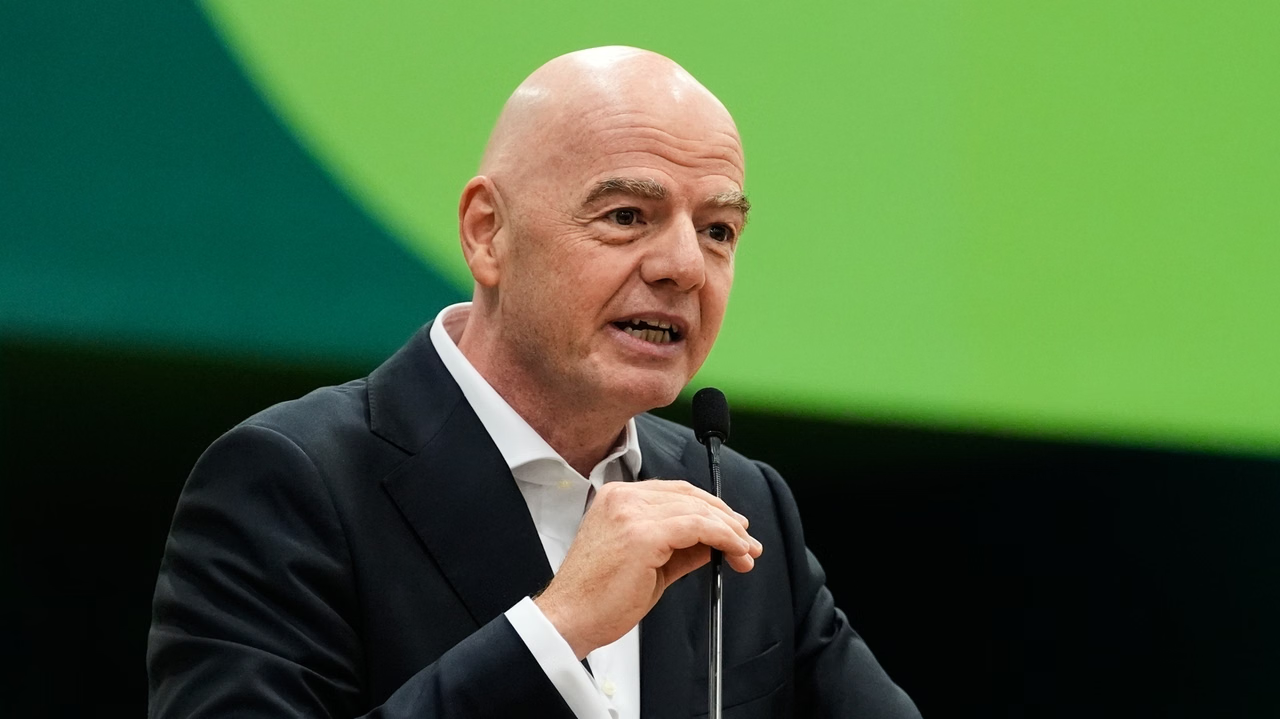
The meeting also reaffirmed the unanimous support of the 54 member associations and CAF Executive Committee for FIFA President Gianni Infantino’s re-election.
Infantino, who has led FIFA since February 2016, is seeking another term at the 77th FIFA Congress scheduled for March 18, 2027, in Rabat, Morocco.
CAF President Patrice Motsepe also thanked President Bola Tinubu, the Nigerian government, the Nigeria Football Federation and the people of Nigeria for their hospitality and continued support for African football.
The assembly formed part of CAF’s engagements with its member associations and stakeholders across the continent, with the governing body adopting resolutions on the administration and development of African football.
Kiswahili connects more than 200 million speakers
Kiswahili, also widely known as Swahili, is a Bantu language that developed along the East African coast through centuries of trade and cultural interaction. It is widely spoken across East, Central and parts of Southern Africa, serving as a common means of communication among people from different linguistic communities.
The language is particularly prominent in Tanzania, Kenya and Uganda, and is also spoken in countries including the Democratic Republic of the Congo, Rwanda and Burundi. It has more than 200 million speakers across Africa and beyond, according to UNESCO.
Beyond its use in everyday communication, Kiswahili has gained recognition in regional and international institutions. It is an official language of the African Union and the East African Community, and became the seventh official language of UNESCO’s General Conference in November 2025.
UNESCO also recognised Kiswahili in 2021 by establishing July 7 as World Kiswahili Language Day, making it the first African language to have an international day dedicated to it within the United Nations system.
CAF’s decision adds the language to the formal administrative framework of African football, extending its recognition within another major continental institution.