


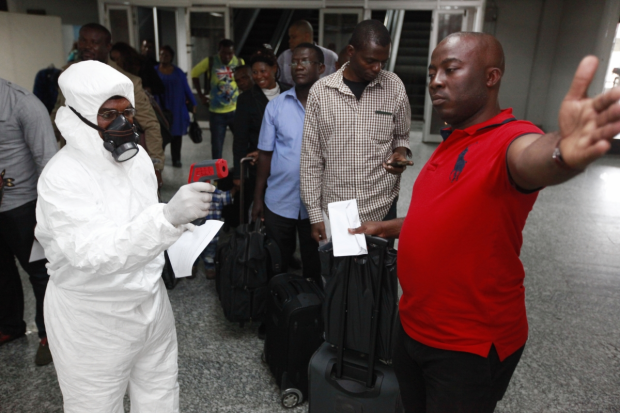
FEC approves a ₦45.08bn biosecurity system for five Nigerian airports to improve early detection of Ebola and other infectious disease threats.
The Federal Executive Council (FEC) has approved a ₦45.08 billion biosecurity and disease surveillance project for five international airports to strengthen Nigeria’s capacity to detect and respond to infectious disease threats, including Ebola.
Coordinating Minister of Health and Social Welfare, Muhammad Ali Pate, announced the approval on Wednesday after the FEC meeting at the State House in Abuja. He said the project would be delivered through a 20-year public-private partnership (PPP) concession awarded to BioHealth Consortium.
Pate said more than 18 million passengers pass through Nigeria’s airports annually, making stronger disease surveillance at the country’s entry points essential to public health and economic security.
The approval follows Nigeria’s response to an imported case of Bundibugyo Ebola virus disease confirmed in the Federal Capital Territory on October 20. The patient was subsequently evacuated to Switzerland for treatment, while Nigerian health authorities continued monitoring people who may have been exposed.
Five international airports to get surveillance systems
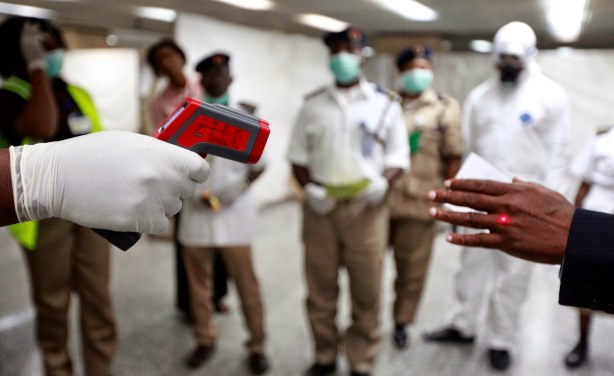
The new system will be deployed at Murtala Muhammed International Airport in Lagos, Nnamdi Azikiwe International Airport in Abuja, Mallam Aminu Kano International Airport in Kano, Port Harcourt International Airport and Akanu Ibiam International Airport in Enugu.
According to Pate, the facilities will use several technologies to identify potential disease threats before they spread into communities. These include aircraft wastewater surveillance, air and surface sampling equipment, and systems for monitoring cargo and baggage.
The project will also provide modern laboratories for rapid diagnostic testing at points of entry, enabling health authorities to investigate suspected infections and support faster responses.
A National Surveillance Operations Centre will coordinate real-time monitoring, integrate information from participating agencies, track incidents and support responses to suspected outbreaks.
Pate said the system would work alongside the Nigeria Centre for Disease Control and Prevention (NCDC), Port Health Services, the Nigeria Customs Service, the Nigeria Immigration Service and the National Agency for Food and Drug Administration and Control.
How the 20-year concession will work
Under the concession agreement, the private-sector partner will design, finance, build, operate and maintain the surveillance infrastructure throughout the 20-year period.
The Federal Government will retain responsibility for policy, institutional and regulatory oversight. At the end of the concession, ownership of the assets will revert to the government under the agreement reviewed and endorsed by the Infrastructure Concession Regulatory Commission.
Pate described the project as a major investment in Nigeria’s health and economic security, noting that infectious disease outbreaks can threaten public safety and disrupt economic activity.
However, the approval does not mean the systems are already operational. The project’s implementation timeline and the allocation of the approved funding among the five airports were not specified in the minister’s announcement.
Ebola response includes support for quarantined contacts
At the same briefing, Pate explained that the Federal Government was providing ₦100,000 weekly to people placed in quarantine following possible exposure to the confirmed Ebola patient.
He said the assistance was intended to help cover the needs of people unable to carry on with their normal activities during quarantine and encourage compliance with public health measures.
The NCDC has described the payment as a temporary intervention introduced after some contacts raised concerns about the effect of quarantine on their livelihoods and families. The agency said accommodation and feeding were also being provided for those staying in designated facilities.
The airport surveillance project is intended to strengthen longer-term preparedness by improving early detection and coordination at Nigeria’s international entry points. Its effectiveness will depend on implementation, sustained operation and cooperation among the agencies responsible for detecting and responding to potential health threats.