



Shamonda virus, first identified in Nigerian cattle in 1965, has infected a human for the first time in France. Here is what we know about transmission and health risks.
A virus first identified in cattle in Nigeria more than 60 years ago has been detected in a human for the first time, prompting health authorities to investigate how the infection occurred and what it could mean for public health.
French authorities announced the first documented human infection with Shamonda virus on Thursday, 22 October 2026, in a joint statement by the country’s health and agriculture ministries. The virus was detected in a severely immunocompromised patient receiving treatment in Lyon, who died in early October. Investigations into the infection and the virus’s role in the patient’s death are ongoing.
The World Health Organization (WHO) and French health authorities say that, based on current evidence, no risk to the general population has been identified. No human-to-human transmission has been documented, although investigations into the case and the virus’s potential to infect people are ongoing.
What is Shamonda virus?
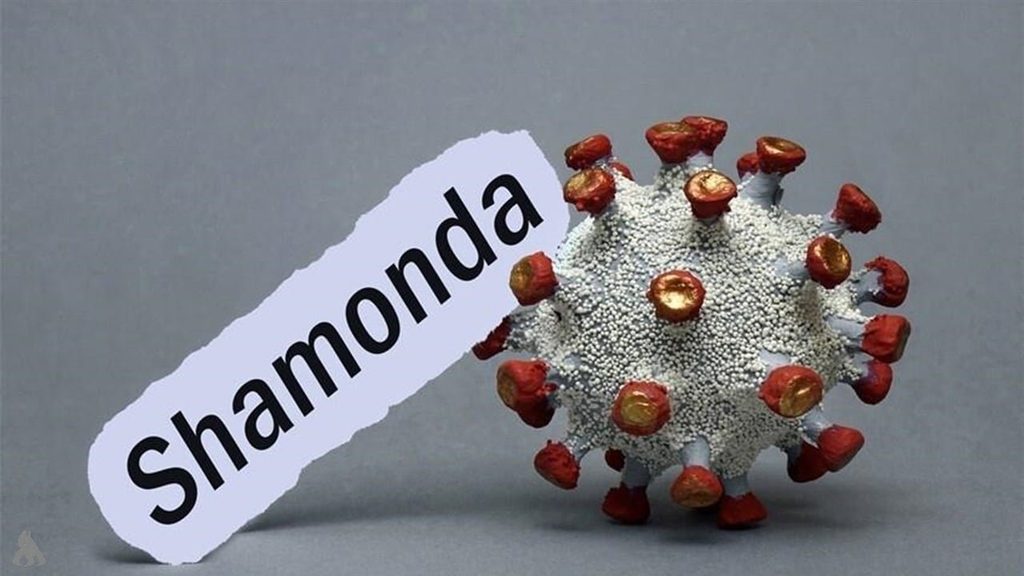

Shamonda virus is a virus belonging to the Orthobunyavirus genus in the Peribunyaviridae family. It is part of the Simbu group of viruses and is closely related to Schmallenberg virus.
The virus was first isolated from cattle in Nigeria in 1965. It has since been detected in animals in several African countries and Japan, before its identification in European livestock in 2026.
Shamonda virus primarily affects cattle, but infections have also been reported in sheep, goats, horses and alpacas. Until the recent discovery in France, it was known as an animal virus, and no human infections had been documented.
How does Shamonda virus spread?
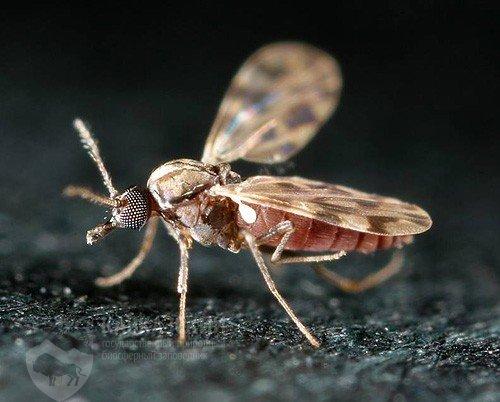
The virus is understood to spread mainly through the bites of infected Culicoides midges, small, biting insects that can transmit pathogens between animals.
The exact midge species responsible for transmitting Shamonda virus has not been conclusively identified. The virus is not known to spread directly from one animal to another under ordinary circumstances, although an infected animal can transmit it to its foetus during pregnancy.
In the French human case, investigators consider a bite from an infected midge to be the leading explanation for how the patient acquired the virus. Authorities believe the infection may have occurred in eastern France, where the virus had circulated among animals. However, this remains a hypothesis, and other possible sources of infection are being investigated
What are the symptoms of Shamonda virus?

In animals, reported symptoms include fever, diarrhoea and reduced milk production. Infection has also been associated with reproductive complications, including abortions and foetal abnormalities. Neurological problems have been reported less frequently, including in horses.
These signs are not unique to Shamonda virus and can resemble those of other animal diseases. Laboratory testing is therefore necessary to confirm an infection.
Much less is known about the virus’s effects on humans because only one human case had been documented as of 24 October 2026. French authorities reported neurological complications in the patient, who was already severely immunocompromised and receiving treatment for a serious underlying illness.
Scientists are continuing to investigate the infection, its clinical effects and the extent to which it contributed to the patient’s condition. The single reported case is not enough to establish a typical set of human symptoms or determine how the virus might affect otherwise healthy people.
Does Shamonda virus spread between humans?
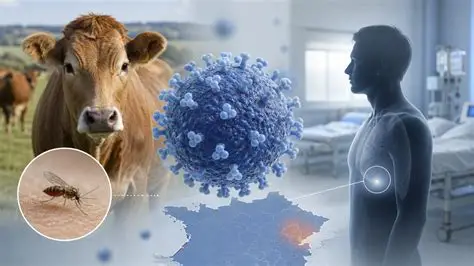
There is currently no documented evidence of human-to-human transmission of Shamonda virus.
This distinction matters because a virus that spreads between animals through insect bites does not necessarily spread between people. The route by which the patient in France became infected is still being investigated, and researchers are working to understand the virus’s potential to infect humans.
French authorities have said that no risk to the general population has been identified based on current knowledge. The European Centre for Disease Prevention and Control is monitoring developments and working with relevant authorities to assess any potential public health implications.
These findings are reassuring, but they do not mean every question about the virus has been answered. Further investigations are needed to determine whether the reported infection was an exceptional event or whether other human infections could occur.
Should Nigerians be worried?
The fact that Shamonda virus was first identified in Nigeria does not mean the country is currently experiencing an outbreak among people.
The first isolation of the virus from cattle in Nigeria in 1965 is a historical finding. The first documented human infection was reported in France in October 2026. As of 24 October, the official information reviewed for this explainer did not identify a confirmed human case in Nigeria.
There is also no evidence that Shamonda virus is spreading between people or that it currently poses an identified health risk to the general population. However, because this is the first documented human infection, scientists are still investigating its implications.
For Nigerians, the development is important to follow, particularly because the virus has a long history in animals. Veterinary surveillance, laboratory testing and communication between animal and human health authorities can help detect changes in how such viruses behave.
The World Organisation for Animal Health recommends monitoring and appropriate measures to reduce exposure to infected biting midges in affected livestock settings.
Is there a vaccine or treatment for Shamonda virus?
There are currently no specific vaccines or treatments available for Shamonda virus, according to WHO and the World Organisation for Animal Health.
Researchers are still developing a clearer understanding of the virus and its effects on humans. The available evidence does not establish a standard treatment for human infection, given that only one case has been documented.
For animal owners, suspected infections should be assessed by veterinary professionals because the symptoms can resemble those of other diseases. Laboratory confirmation is important before attributing illness or reproductive complications to Shamonda virus.
What happens next?
French authorities are continuing clinical, laboratory and epidemiological investigations to determine how the patient became infected, whether the virus contributed to the death and what the case reveals about its potential to infect humans.
Researchers are also comparing the virus detected in the patient with strains circulating in animals and examining possible exposure to infected midges, animals and other environmental sources.
For now, the discovery is a significant development in the understanding of Shamonda virus, not evidence of a human outbreak in Nigeria. The findings underscore the importance of monitoring diseases that circulate in animals and investigating unusual infections when they occur.
The key takeaway: Shamonda virus was first identified in Nigerian cattle in 1965, but the first documented human infection was reported in France in 2026. No human-to-human transmission or risk to the general population has been identified so far, and investigations remain ongoing.