

October is Breast Cancer Awareness Month, an annual campaign dedicated to raising awareness about breast cancer, promoting early detection and encouraging people to take their breast health seriously. Marked by pink ribbons, educational campaigns and personal stories, the month also serves as a reminder that knowing your body can help you recognise changes that need medical attention.
Breast cancer affects millions of people worldwide, and while not every breast lump or change is cancerous, recognising unusual symptoms is important. One way to become more aware of your breast health is to learn how to check your breasts at home.
Breast self-checks do not diagnose cancer, nor do they replace recommended medical screening. However, becoming familiar with how your breasts normally look and feel can help you notice changes and seek professional advice promptly.
Here are five simple steps to help you check your breasts at home.
1. Stand in front of a mirror and look for changes
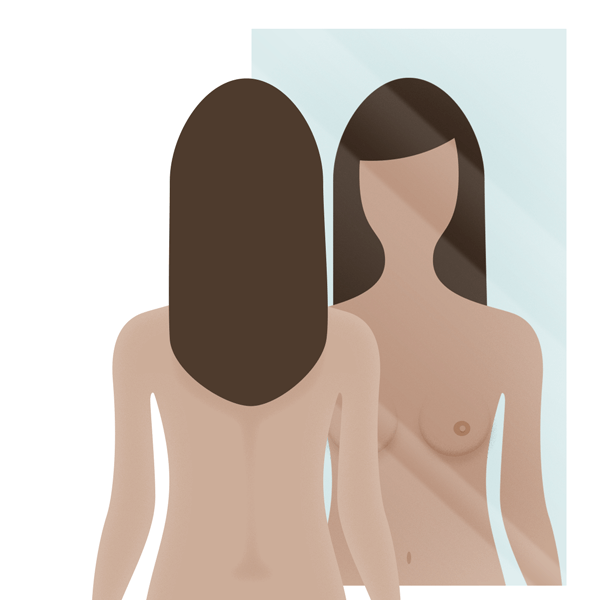
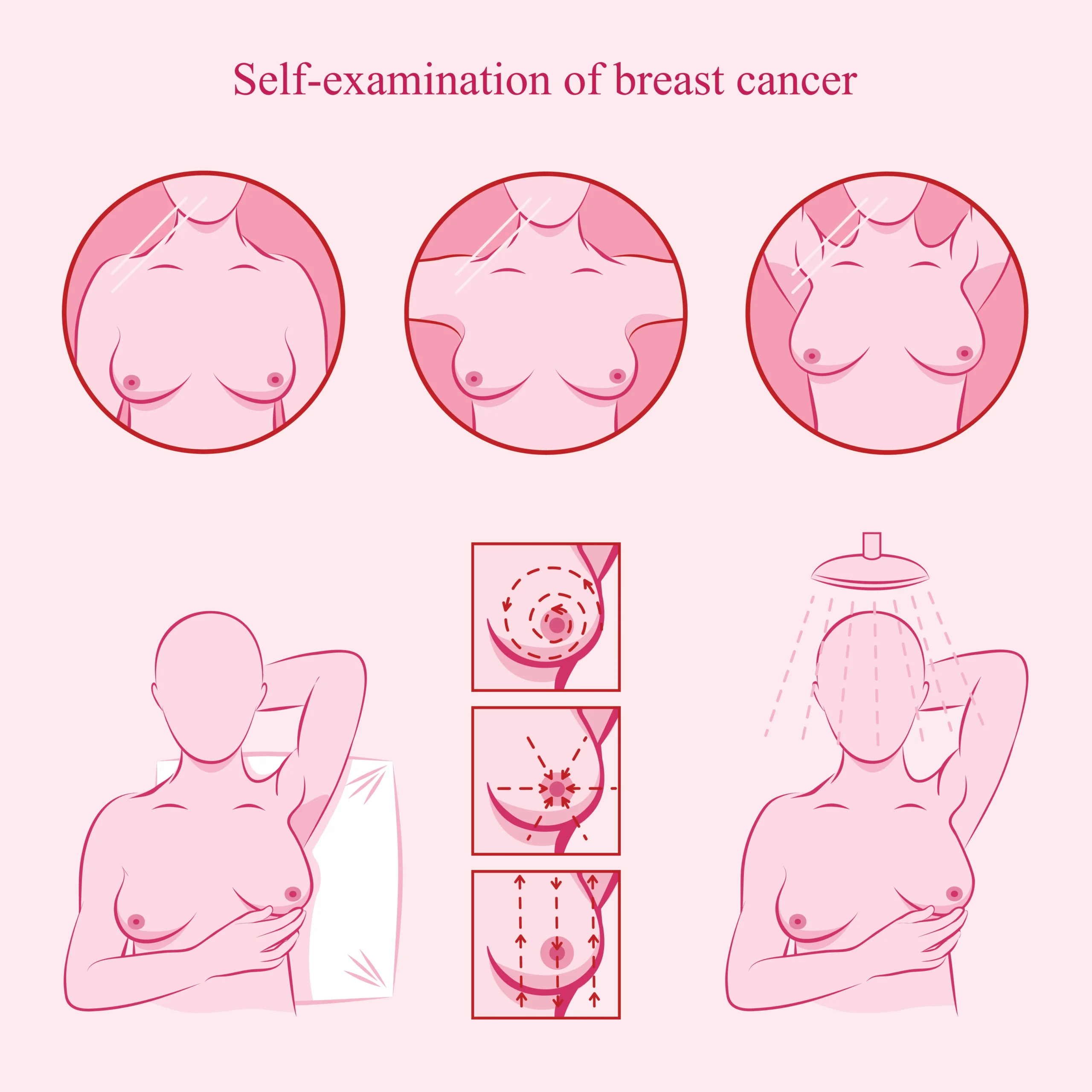
Begin by standing in front of a mirror with your arms relaxed at your sides. Look at both breasts and pay attention to their usual size, shape and appearance.
Next, raise your arms above your head and look again. Check for changes in the outline of your breasts, unusual swelling, skin dimpling or changes in the position of your nipples.
Look for skin that appears puckered, thickened or similar to the texture of an orange peel. On darker skin, changes may appear as darkening or other changes in colour rather than obvious redness.
It is normal for one breast to be slightly larger than the other. What matters is noticing a new or unexplained change from your usual appearance.
2. Feel your breasts for unusual lumps

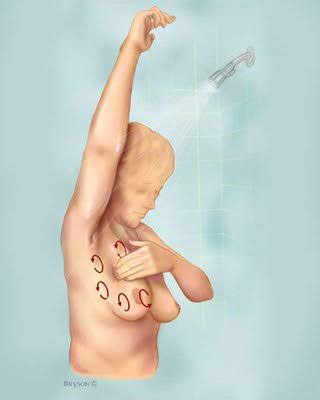
Use the pads of your three middle fingers to gently feel your breast tissue. You can do this while standing or sitting, including in the shower if that makes the process easier.
Move your fingers in small circular motions, covering the entire breast from the collarbone down to the lower edge of the breast and from the breastbone across towards the armpit.
Use light, medium and firmer pressure to feel the different layers of tissue without pressing so hard that it hurts. Repeat the process on the other breast.
Pay attention to any new lump, thickened area, swelling or spot that feels noticeably different from the surrounding tissue.
Not every breast lump is cancerous. Hormonal changes, cysts and other benign conditions can also cause lumps. However, a new or unusual lump should be examined by a healthcare professional rather than dismissed because it is painless.
3. Check your nipples and armpits
Breast awareness should not stop at the main breast tissue. Some changes can occur around the nipples or in the armpits, where breast tissue and lymph nodes are located.
Gently feel around each nipple and the surrounding area. Look for a nipple that has recently turned inward, a persistent rash, unusual scaling or sores that do not heal.
Also check for fluid coming from the nipple when you are not pregnant or breastfeeding, particularly if the discharge is bloody or occurs without squeezing.
Using the pads of your fingers, gently feel around each armpit for unusual lumps or swelling.
If you notice any of these changes, arrange a medical assessment. Avoid repeatedly squeezing your nipples to check for discharge, as this can irritate the area.
4. Know the other warning signs of breast cancer
A lump is not the only possible sign of breast cancer. Some people experience visible changes without feeling a lump at all.
Other warning signs include:
- A change in the size or shape of one breast.
- Swelling in part or all of the breast.
- Skin dimpling, puckering or thickening.
- A nipple that becomes inverted or changes appearance.
- Unusual nipple discharge, particularly blood-stained fluid.
- Persistent breast or armpit pain accompanied by other unusual changes.
- A sore, rash or skin change around the nipple that does not heal.
These symptoms do not automatically mean you have cancer. Several non-cancerous conditions can cause similar changes. However, it is important to get unusual symptoms checked rather than attempting to diagnose yourself at home.
5. Make breast awareness a regular habit
Try to become familiar with your breasts regularly so you can recognise what is normal for you. You do not need to follow a rigid examination routine or press your breasts aggressively.
Your breasts may feel different at different stages of your menstrual cycle, during pregnancy or breastfeeding, and after menopause. If you menstruate, you may find it easier to notice changes at a similar point in your cycle each month.
Most importantly, do not wait until your next check if you notice something unusual. Contact a healthcare professional promptly, even if the change appears small.
Can checking your breasts at home detect breast cancer?
Checking your breasts at home can help you notice unusual changes, but it cannot confirm or rule out breast cancer. Research has not established that formal breast self-examinations alone reduce breast cancer deaths.
Medical screening, including mammography when appropriate, can detect some cancers before they become noticeable. Depending on your age, symptoms and family history, a healthcare professional may recommend a clinical examination, imaging tests or a biopsy.
People with a strong family history of breast cancer or certain inherited genetic changes may need earlier or more frequent screening. Discuss your individual risk with a qualified healthcare professional.
Breast Cancer Awareness Month is more than a campaign marked by pink ribbons. It is an opportunity to learn about breast health, challenge misconceptions and encourage people to seek medical attention when something does not feel right.
Learning how to self-screen for breast cancer is one way to become more aware of your body. You do not need to panic over every lump or change, but you should never ignore an unusual symptom.
Know your breasts, notice changes, and seek medical advice promptly. Remember that checking at home is a complement to appropriate medical screening, not a replacement for it.