


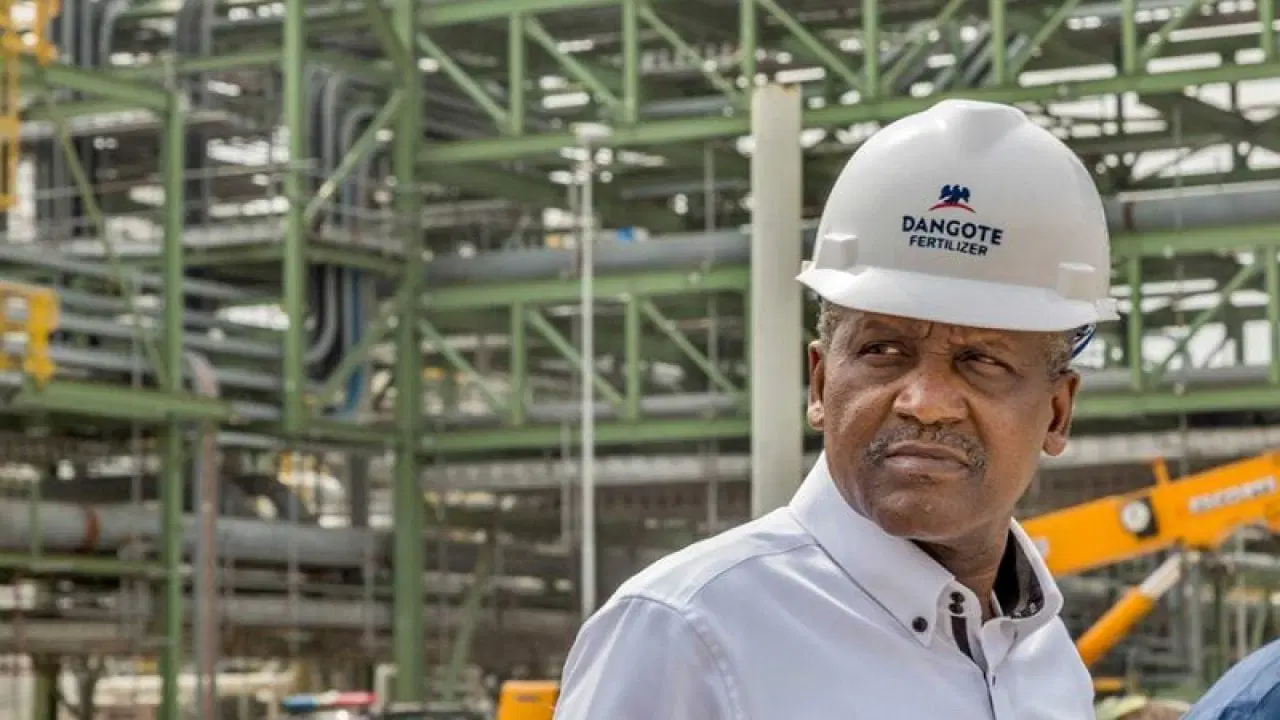
Aliko Dangote’s oil refinery is about to become the biggest listing in African stock market history.
Dangote Petroleum Refinery and Petrochemicals is offering 4.1 billion shares at 525 naira each, an offer expected to raise about $1.6 billion, opening 14 September and closing 13 October 2026.
For many people, this will be their first brush with the stock market. Here is a plain guide to how it works.
Why the Dangote IPO matters
The refinery, sited in the Lekki Free Zone outside Lagos, is Africa’s largest, processing around 650,000 to 700,000 barrels of crude a day. The offer alone rivals the value of every other new listing on the Nigerian Exchange (NGX) in 2025 combined, and it introduces dividends payable in US dollars, a first for the NGX. That has drawn interest from investors both inside and outside Nigeria who are usually wary of naira volatility, and it is seen as a test of whether Nigeria’s market can pull more ordinary people into equity ownership.
What an IPO actually is
An initial public offering is the first time a company sells shares to the public, at a fixed offer price, before the stock starts trading freely on the exchange. Once trading begins, price moves with demand and performance. An IPO is not a guaranteed win. Shares can open below the offer price and stay there, or rise sharply. Size and fame don’t change that.
How to buy the Dangote refinery IPO in 5 simple steps
1. Choose a licensed Nigerian stockbroker and open an investment account. You cannot buy shares directly from the exchange. A stockbroker licensed by Nigeria’s SEC trades on your behalf. Opening an account means KYC checks: valid ID, proof of address, a passport photo, and your BVN if resident in Nigeria. Investors abroad can use a Nigerian broker directly or an international platform partnered with a licensed one, though they should confirm eligibility rules in their own country.
2. Get your CSCS account or CHN through the broker. Every share on the NGX is held electronically through the Central Securities Clearing System. Your broker registers you for a CSCS account and a Clearing House Number, a unique identifier for life. This is where your shares, and eventually dividends, get recorded.
3. Fund your brokerage account. Usually done by bank transfer, using the offer price of 525 naira per share and the minimum lot size to work out how much to send. Fund a little early, since transfers can take time to reflect.
4. Apply through your broker once subscription opens. From 14 September, submit your application online, via app, or on a form, stating how many shares you want and paying in full. Read the prospectus first, especially the dollar-dividend terms and disclosed risks. Applications close on 13 October.
5. Wait for allotment. The registrar processes applications and allots shares after the offer closes. If oversubscribed, allotment may be scaled back pro-rata, with a refund for the difference. Successful allottees get shares credited to their CSCS account once the company lists, and can then hold or sell on the open market.
Nigerian equities had a strong 2025, but past performance guarantees nothing. Key risks include currency risk from naira volatility affecting anyone converting currencies; concentration risk, since a few large companies dominate the exchange; liquidity risk, as some stocks trade thinly; and, specific to this IPO, execution risk around the refinery’s planned capacity expansion and its exposure to oil prices and fuel-market disputes.
Diversifying across sectors, rather than betting everything on one stock, remains the basic defence.
The mechanics of buying in are the same for any Nigerian stock: a licensed broker, a CSCS account, a clear look at the fees, and an honest read of your own risk appetite. The Dangote listing may be the reason many people open a brokerage account for the first time. What they do with it afterward is what will actually matter.
Speak with a finance savvy person before making any investment decisions.