

Commission says two cases of dollar-denominated legal fees are already under investigation, as it also cautions lawyers against invoking its name to justify high charges
The Economic and Financial Crimes Commission (EFCC) has cautioned lawyers against billing clients in United States dollars, disclosing that two such cases are currently before the commission.
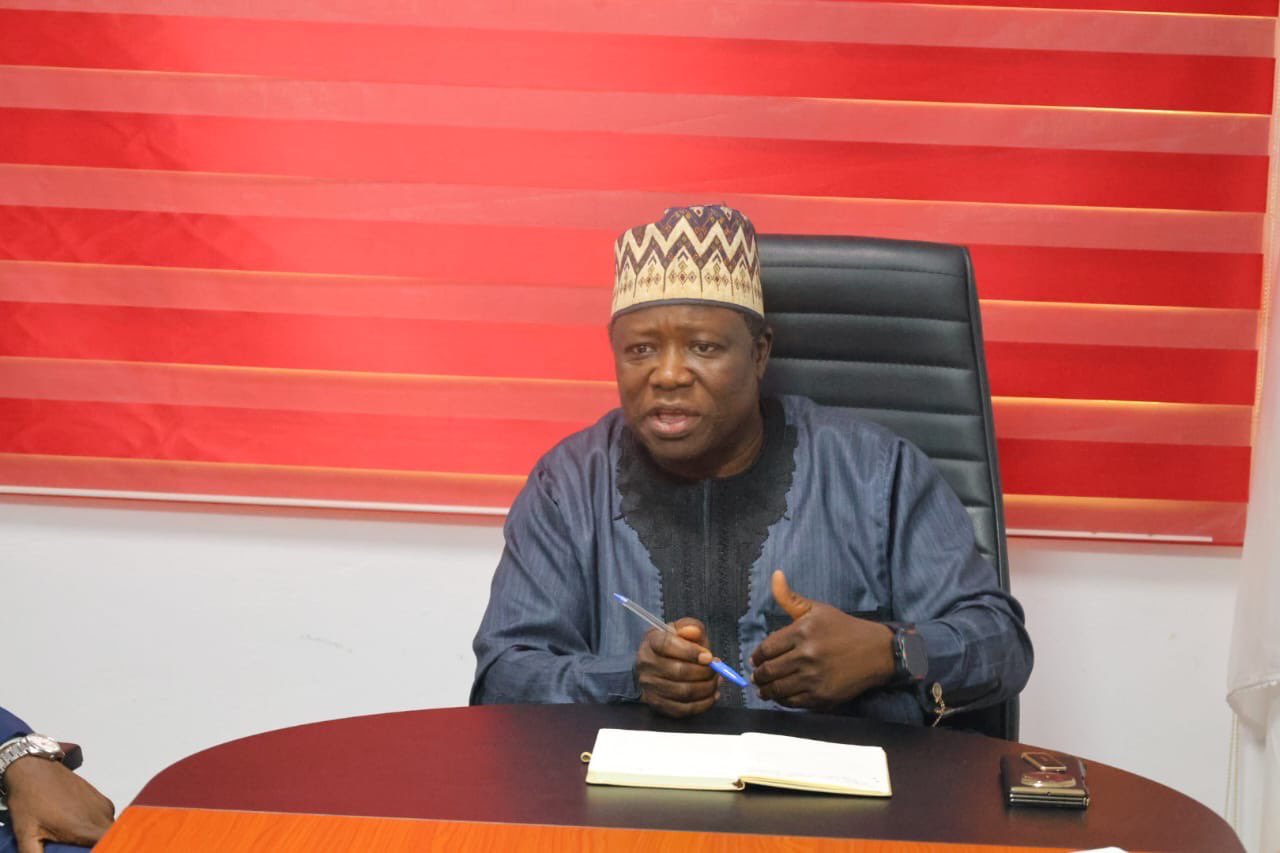
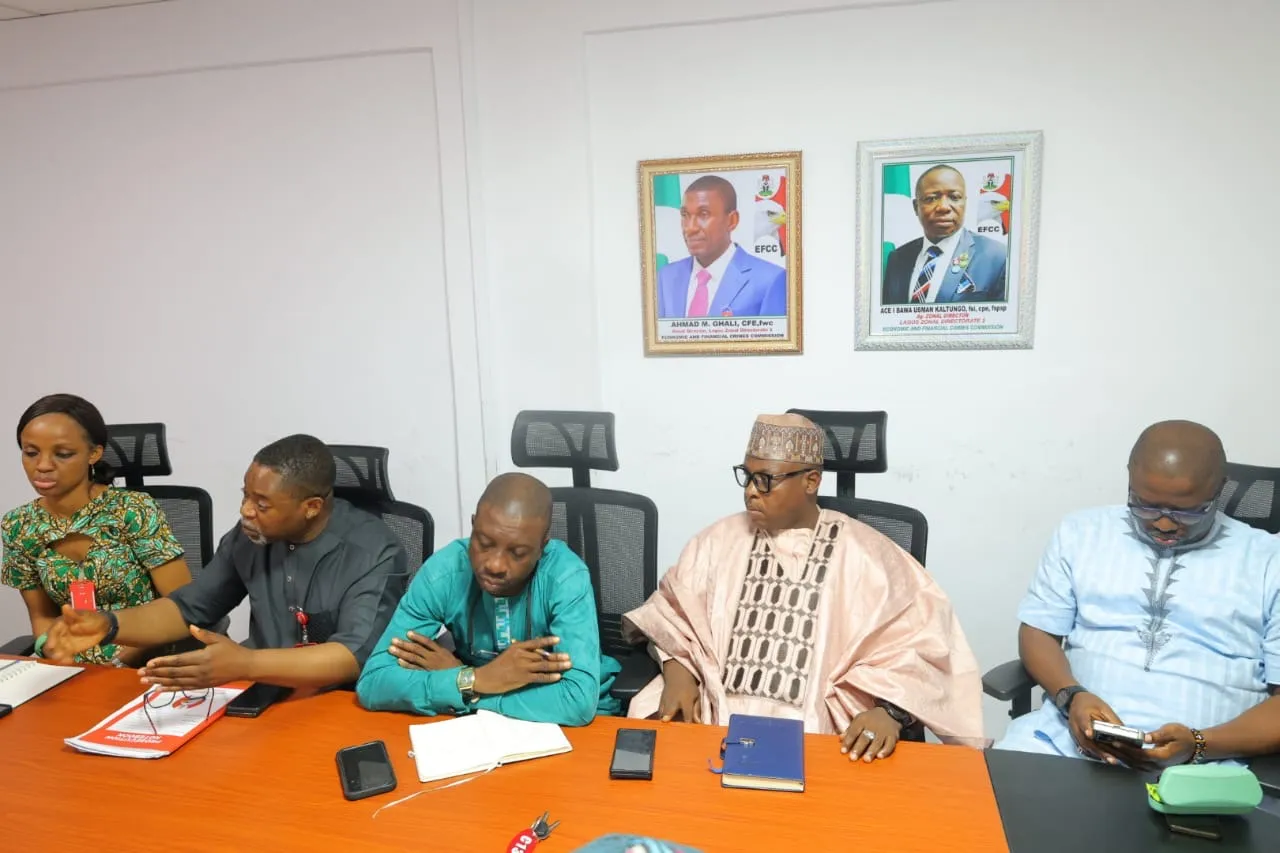
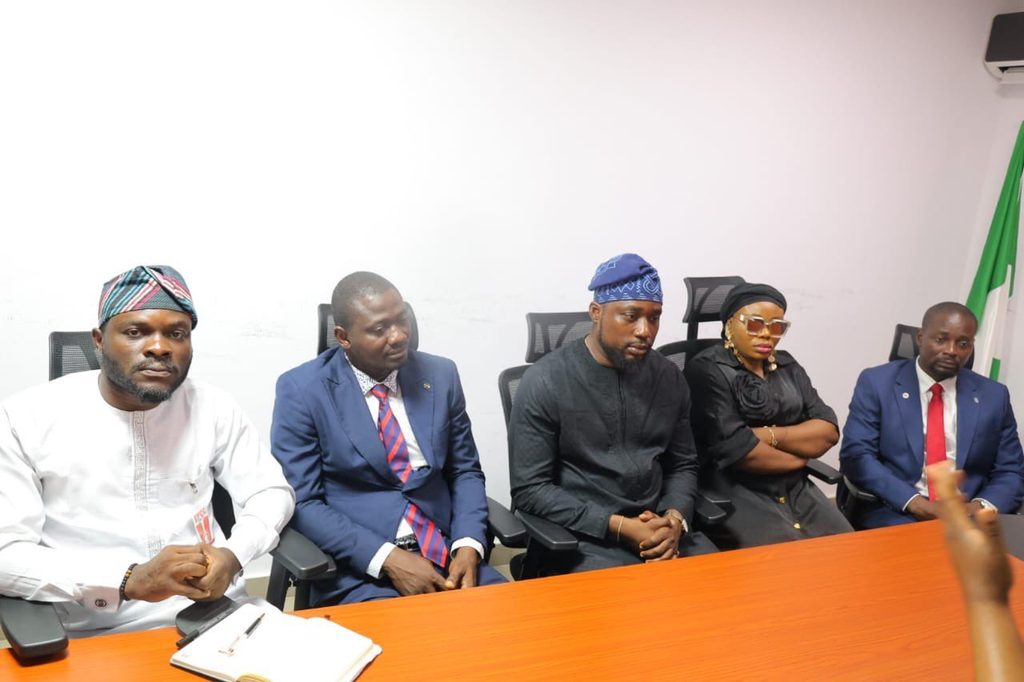
Acting Zonal Director in Lagos, Bawa Usman Kaltungo, an assistant commander, issued the warning on Friday while receiving members of the Lagos Task Force on Illegal Practice of Law of the Nigerian Bar Association (NBA), according to a statement by EFCC spokesperson Dele Oyewale on Monday.
Kaltungo said the practice violated the law, since the naira remains Nigeria’s only legal tender, and warned that any lawyer found culpable would face prosecution.
“We have two cases of lawyers who were found to have charged fees in dollars. This is unethical and illegal, as the naira is the country’s legal tender,” he said.
“We usually don’t want to have issues with members of the NBA. However, some lawyers are pushing us. Any lawyer we find culpable of charging clients in foreign currencies will be prosecuted.”
He added that the commission was reluctant to clash with NBA members but would act where lawyers persisted in the practice.
Lawyers free to set fees, but must leave EFCC out of it
Kaltungo clarified that lawyers retained the right to determine their own professional charges but should not involve the commission in their dealings with clients.
He said some practitioners had allegedly invoked the EFCC’s name to justify demanding higher fees and urged an end to the practice.
“Lawyers should stop name-dropping the EFCC to overcharge their clients,” he said.
“They have the right to charge their clients as much as they like, but they shouldn’t drag the EFCC into it.”
Legal fees in Nigeria are governed by the Legal Practitioners’ Remuneration (for Business, Legal Service and Representation) Order 2023, which sets minimum charges for various services. The NBA has urged its members to comply with the order.
NBA seeks closer cooperation with EFCC
Head of the NBA task force, Moshood Abiola, said the association had received several complaints of professional misconduct against lawyers and wanted stronger collaboration with the EFCC on cases involving criminal conduct.
He pointed to the commission’s recent prosecution and conviction of a fake lawyer as an example of the cooperation the NBA hoped to build on, commending the swiftness of the process.
Abiola said the NBA had other pending cases of alleged malpractice it wanted properly investigated and, where necessary, prosecuted.
EFCC raises other misconduct concerns
Orhieoghene Adewunmi of the EFCC’s Department of Legal and Prosecution, also an assistant commander, urged the NBA to publish the names of lawyers sanctioned for professional misconduct, saying this would help the public identify disciplined practitioners.
Another official of the department, Henry Anasoh, raised concerns that some lawyers had allegedly assisted suspects in frustrating EFCC investigations, including helping produce forged documents such as fake medical records to support bail applications.
Anasoh also criticised the use of fundamental rights suits by some lawyers as a tactic to obstruct the commission’s investigations or prosecutions. He urged the NBA to support the EFCC in addressing what he called unscrupulous practitioners, adding that the conduct of a few should not tarnish the legal profession’s reputation.