

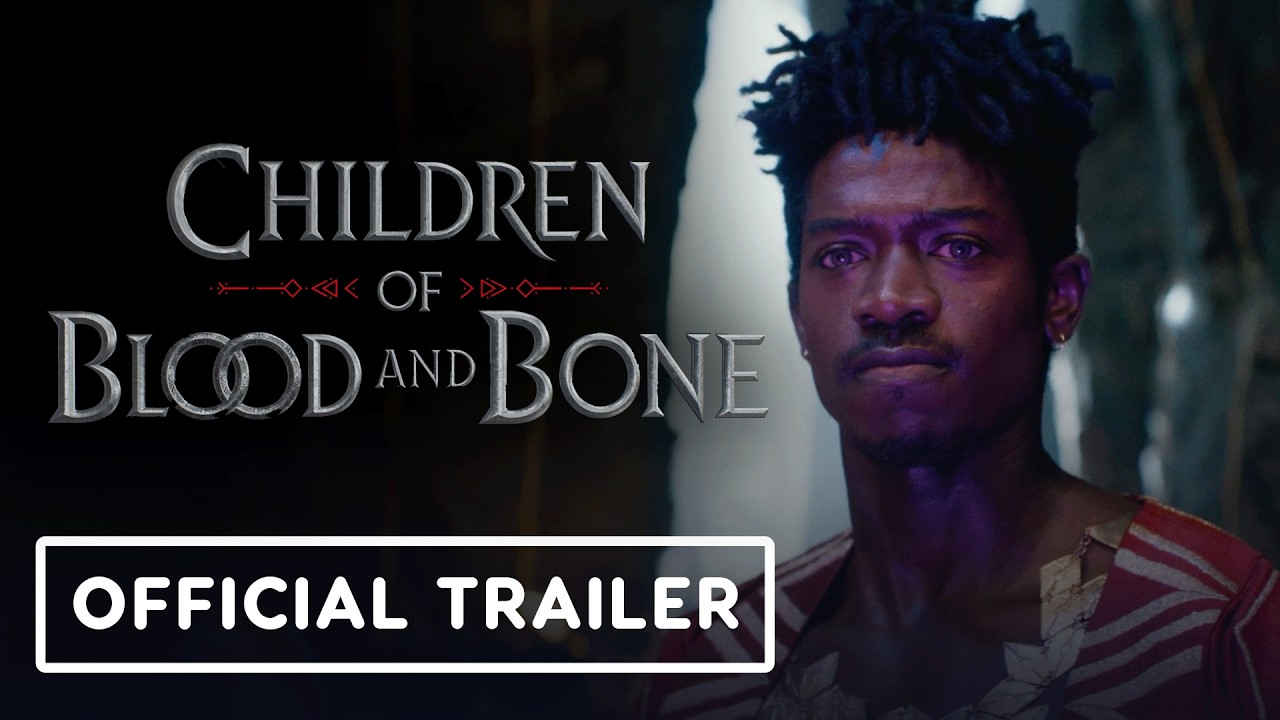
The Children of Blood and Bone trailer has reignited a familiar conversation about how Hollywood continues to flatten Africa’s cultural diversity into a single, fictional accent.
The first trailer for Children of Blood and Bone should have been a defining moment for African storytelling. Instead, it has created criticism over something many viewers immediately noticed: the accents.
For a film rooted in Yoruba culture and inspired by West African mythology, many of the performances sound disconnected from the world they are meant to represent. Rather than reflecting authentic Nigerian or Yoruba speech patterns, several characters appear to speak with what many Africans have long recognised as Hollywood’s favourite invention: the generic African accent.
It is a creative choice that deserves scrutiny because authenticity should not stop at costumes, locations and names. It should extend to how people sound.
Hollywood still treats Africa as one voice
Africa is home to more than 2,000 languages and countless accents shaped by geography, history and culture. Yet Hollywood often reduces this diversity into a single performance style that is recognisable mainly because previous films have used it.
The result is an accent that belongs everywhere and nowhere at once. It sounds vaguely East African, vaguely West African and rarely like the communities that inspired the story.
It is the cinematic equivalent of putting every African country into the same box and calling it representation.
Yoruba stories deserve Yoruba authenticity
Children of Blood and Bone is not based on a fictional culture with no real-world influence. Its world draws heavily from Yoruba spirituality, names, traditions and symbolism.
If filmmakers invested time in researching Yoruba mythology, designing culturally inspired costumes and building visually rich environments, why stop short when it came to the dialogue?
The criticism is even sharper because some of the cast members have already shown that authentic Nigerian speech patterns are within reach. Damson Idris, who plays one of the film’s key characters, has previously been recorded speaking naturally with a Nigerian accent in interviews and conversations. That made his noticeably stiff and exaggerated delivery in the trailer stand out to many viewers who expected more from an actor known for his range.
The issue, therefore, is not whether actors can learn African accents. It is whether productions are willing to move beyond the familiar Hollywood version of what an African accent should sound like.
Authenticity is not only about what audiences see. It is also about what they hear.
A Yoruba-inspired world should not sound like an imaginary continent invented in a Hollywood recording studio.
Authentic accents are no longer impossible
Perhaps the most surprising aspect of the debate is that there is no shortage of expertise.
Nigeria has experienced dialect coaches. So do Ghana, Kenya, South Africa and many other African countries. Linguists, historians and language specialists have repeatedly demonstrated that African accents can be taught with precision.
Hollywood routinely hires experts to perfect British, Irish, Australian and regional American accents. The same commitment should apply to African stories.
Settling for a generic accent is no longer a limitation. It is a choice.
Representation must evolve beyond symbolism
For years, African audiences celebrated simply seeing themselves reflected on international screens. That moment mattered because representation was rare.
Today, expectations have changed.
Audiences are asking for more than African names and beautiful landscapes. They want stories that respect the details. Accent is one of those details.
When authenticity is sacrificed, viewers notice. More importantly, they begin to question whether Hollywood is interested in portraying Africa as it is or merely as it has always imagined it.
The conversation is bigger than one trailer
None of this means Children of Blood and Bone cannot become an outstanding film. Trailers reveal only fragments of a finished production.
However, the reaction to the accents offers Hollywood an opportunity to listen.
African audiences are no longer passive consumers grateful for visibility alone. They are informed, vocal and invested in how their cultures are portrayed.
If Hollywood wants authentic African stories, it must also embrace authentic African voices.
Because Africa is a continent of extraordinary diversity.
It has never been a single accent.