

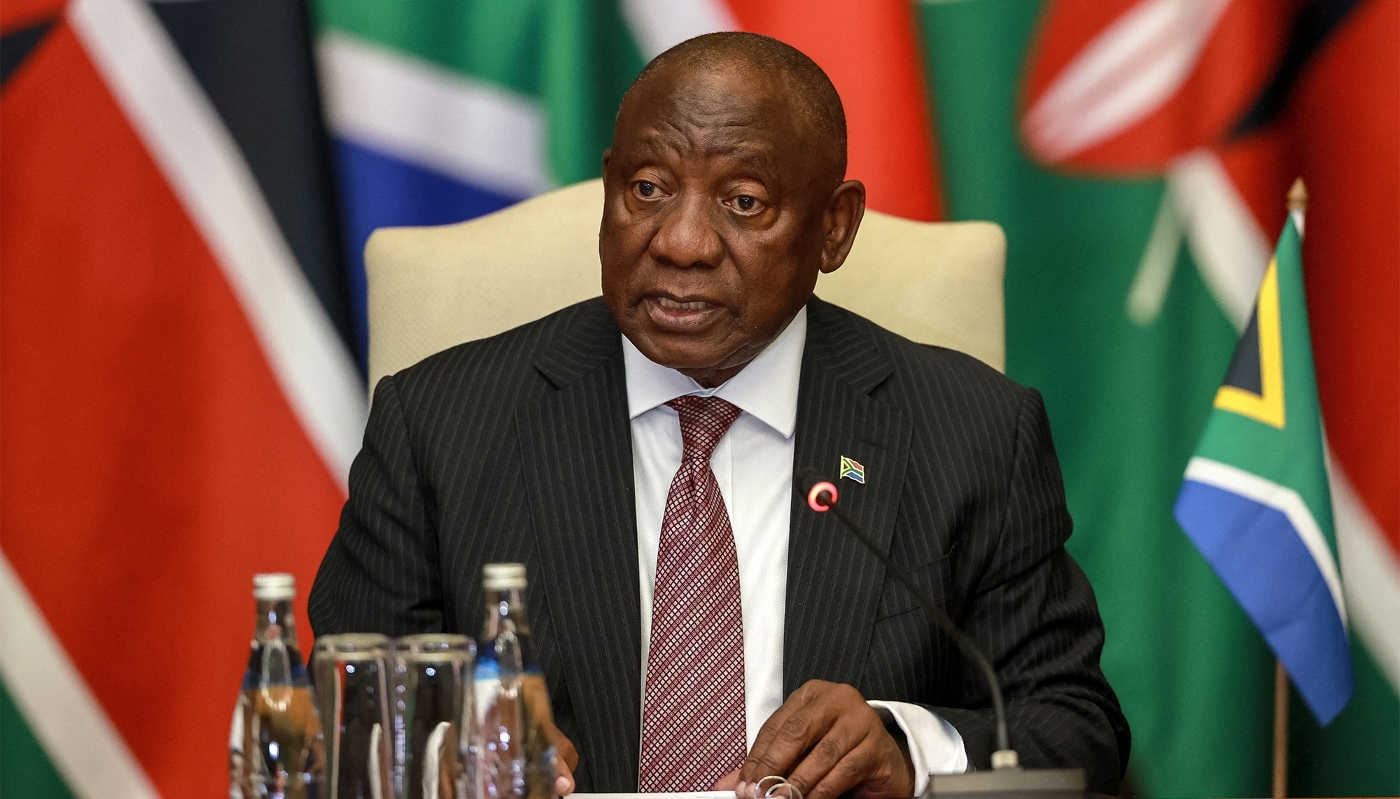
Ghana has deferred President Cyril Ramaphosa’s planned visit following anti-migrant attacks in South Africa, saying bilateral talks should resume after tensions ease while insisting ties remain cordial.
Ghana has postponed a planned visit by South African President Cyril Ramaphosa following the recent wave of anti-migrant attacks in South Africa that targeted foreign nationals, including Ghanaian citizens.
The development was disclosed on Tuesday through statements by Ghana’s Minister for Government Communications Felix Ofosu and South African Presidential Spokesperson Vincent Magwenya, who offered differing characterisations of the deferral.
Ghana summons South African envoy as citizens face attacks
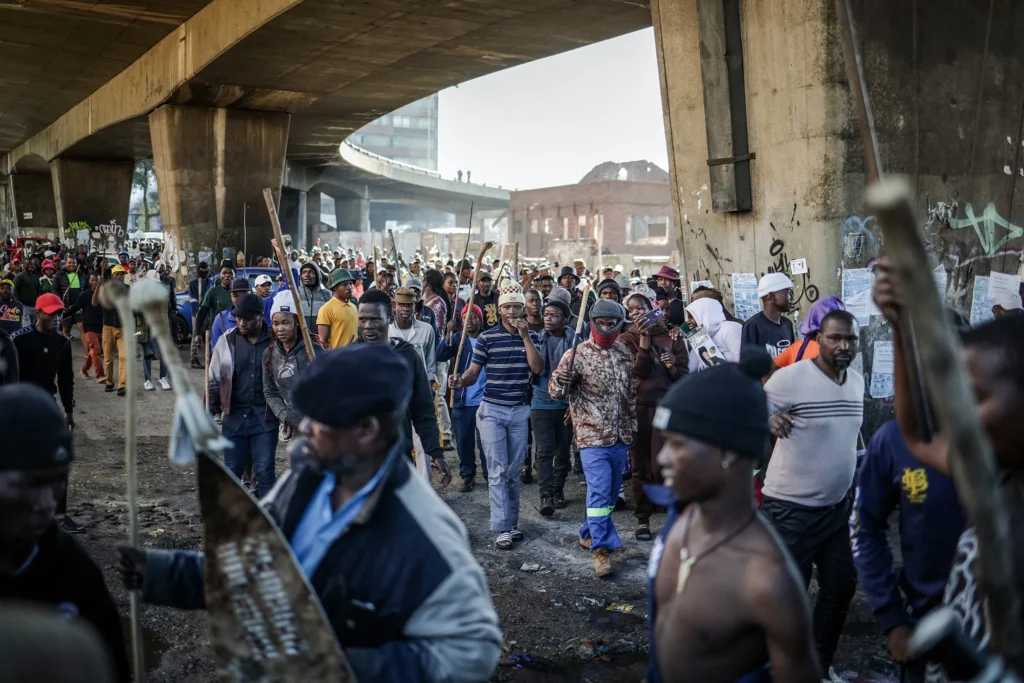
The diplomatic tension preceded the visit deferral by several weeks. Ghana’s Foreign Affairs Minister Samuel Ablakwa summoned Thando Dalamba, South African acting high commissioner in Ghana, to express the country’s “strong concern” over the reported intimidation and harassment of foreign nationals, including Ghanaians, by South Africans targeting undocumented migrants. The Ghanaian government subsequently began repatriating its citizens from South Africa.
Reports on Tuesday alleged that Ghana had rejected a planned state visit from Ramaphosa as a diplomatic freeze in bilateral relations to signal displeasure over the attacks. The Ghanaian government pushed back on that characterisation.
Felix Ofosu, Minister for Government Communications, said the visit had been planned well before the outbreak of xenophobic attacks and was originally scheduled for early August 2026.
“Let me indicate that this is a visit that had been planned well in advance of the outbreak of the recent xenophobic attacks. Indeed, it was slated to take place in early August 2026, but given the outbreak of these attacks and all the issues that have arisen therefrom, we sent a diplomatic communication to the South African government that we believe it is best to defer the visit until such a time when these matters have been resolved, and there is relative calm,” he said in an interview with Joy FM.
Ofosu explained the reasoning behind the decision.
“Given the nature of the recent attacks, there is a likelihood that they will overshadow the very important issues that would have to be discussed during such a visit. So we believe that when matters settle, and the issue of xenophobic attacks no longer hangs over such discussions, it will then be appropriate to have the visit,” he said.
Ghana has maintained that it continues to hold cordial relations with South Africa despite the deferral.
Pretoria disputes the nature of the planned visit
South Africa’s Presidential Spokesperson Vincent Magwenya dismissed reports that Ramaphosa had requested a state visit to Ghana. Magwenya said South Africa had instead sought confirmation from Ghana regarding arrangements for the third session of the Bi-National Commission, which was to be co-chaired by both presidents.
Ghana’s deferral of the Ramaphosa visit reflects the widening diplomatic fallout from South Africa’s anti-migrant crisis, which has drawn formal protests from multiple African governments, including Nigeria, which has been conducting evacuation flights for its citizens since June. Ghana confirmed the killing of one of its citizens 40-year-old Bashiru Isak, shot dead in Khayelitsha, Cape Town, on June 30 during the demonstrations.
The deferral stops short of a full diplomatic rupture but signals that Accra is unwilling to normalise relations while its citizens remain at risk on South African soil. The difference Pretoria draws between a state visit and a Bi-National Commission session also suggests both governments are managing the episode carefully to avoid a deeper breach in what has historically been a significant South-South partnership on the African continent.