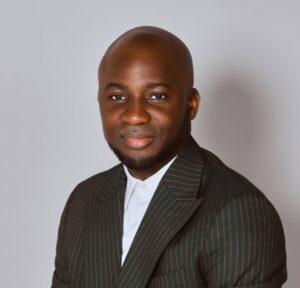


Philip Rayn Otuya, musician and creative-tech entrepreneur, discusses building Jubal, the need for African ownership of creative infrastructure, and his vision for turning the continent’s creative talent into a global economic force.
Every week, we throw 10 questions at someone whose mind we find fascinating: the thinkers, founders, innovators, policymakers, builders and culture-shapers quietly changing how we see the world and inspiring us to do things not just differently, but better-differently. First thoughts only.
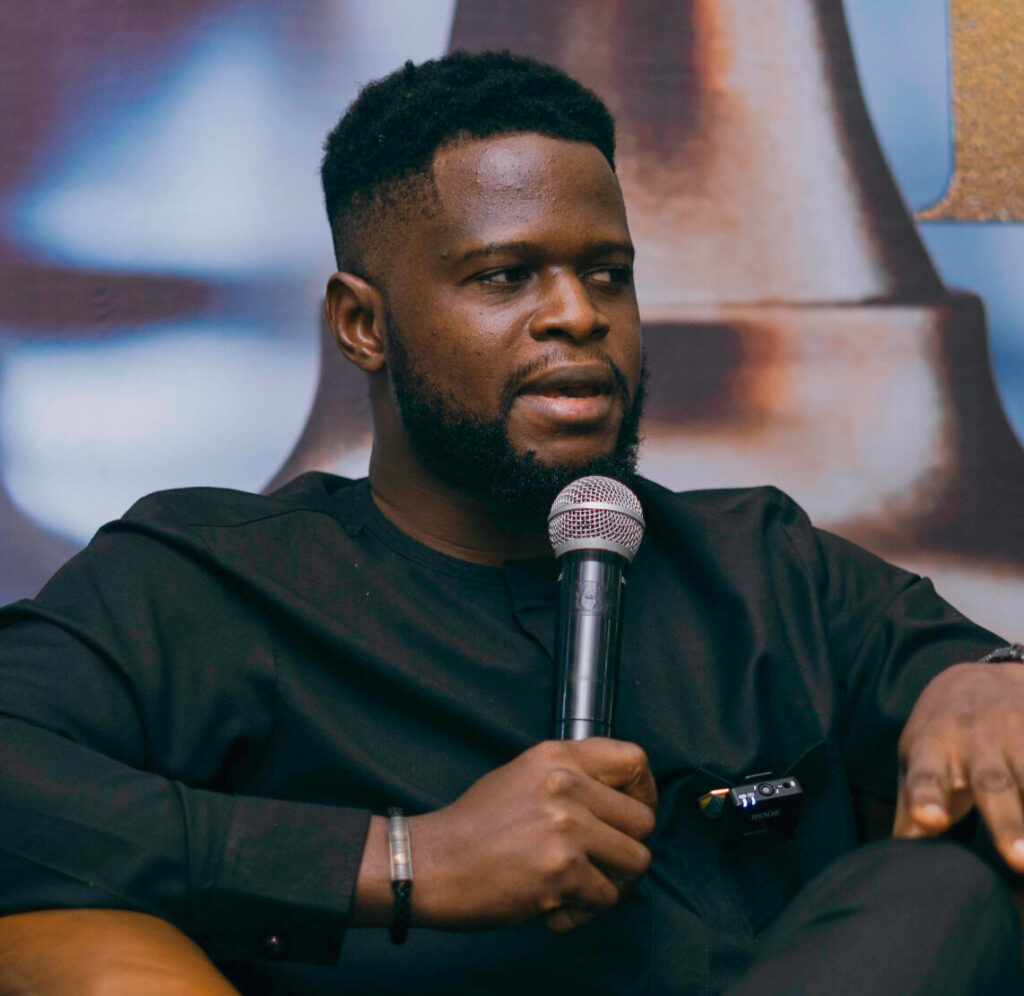
This week, we caught up with Philip Rayn Otuya, a musician, creative-tech entrepreneur and founder of Brandsong Solutions, the sonic branding company behind the Afreximbank Anthem and the Intra-African Trade Fair theme song. He is also the founder of Jubal, a platform connecting African creatives with clients, which has earned recognition from the Government of Algeria.
Beyond his business ventures, Otuya is the founder and convener of the Africa International Music, Arts and Cultural Exchange Programme (AIM-X). He is also a Fellow of the African Union’s Enterprise Africa Network Fellowship Programme, where he leads the ICT Cluster.
From giving institutions a distinctive sound to building platforms that help creatives earn and thrive, Otuya is working towards a future in which Africa does more than export talent. It owns the infrastructure, creates the opportunities and retains more of the value.
Read as Philip Rayn Otuya shares his thoughts on creativity, entrepreneurship, African ownership and the future of the continent’s creative economy:
The sound of a brand, and the making of a creative
1. You have worked on music and sound identities for organisations, including the Afreximbank Anthem and the Intra-African Trade Fair theme song. How do you translate an institution’s identity into music without losing its strategic message?
It starts with research. Before I write a single note, I go deep into the organisation: its vision, mission, strategy and what it truly stands for. From that I write my own creative brief, and the brief becomes the lyrics: words that are accurate to the brand and also work musically. Then I turn to the music itself: the structure, the composition, the arrangement.
It’s a blend of the left brain and the right brain, the strategic and the creative. I know I’ve got it right when the song doesn’t sound forced: when it is true to the institution’s vision and still moves people as music. When both sides come together, I know we have something special.
2. Every organisation invests in its visual identity, but sonic branding is still relatively unexplored. How do you convince businesses that sound deserves the same attention?
Every organisation has a logo and brand colours, but very few have a sound, and that is their least explored asset. Think of the senses. Sight carries most of branding: logos, colours, typography. Hearing is just as powerful, yet it is almost completely underused.
Consider the start-up sound on your laptop, or the classic Nokia ringtone. Twenty years later, the moment you hear it, you know exactly whose it is, and the brand comes to mind instantly. That is the power of sonic branding. A sound gives an organisation a voice that people remember, recognise and connect with emotionally, and it helps the brand stand out in a crowded market.
3. Before the business ventures and continental recognition, there was the musician. What did those early years look like, and what kept you pursuing music before the opportunities came?
Like many young creatives, I was hungry. I learned the guitar, and my singing started in the church choir, out of pure passion. Before any visibility, my life was rehearsals, competitions and long hours with other musicians, all pushing each other to be the best singer and the best musician in the room. It was fun, and it sharpened us.
Things began to open up when I entered StarQuest, a West Africa-wide music competition. After that I toured, performed as an opening act in packed stadiums, recorded and released music, and heard my songs on radio and saw my videos on TV. What kept me going through all of it was simple: love for the craft, and a commitment to keep getting better until the doors opened.
Building Jubal: trust, ownership and the creative economy
4. You founded Jubal to connect creative professionals with clients. What is the structural problem in Africa’s creative industry that the platform is designed to solve?
The single biggest problem is trust, and it shows up most painfully in payments. Africa’s creative industry is booming and is among the fastest-growing in the world, but I have sat on both sides of the divide. As a client, I have paid a creative upfront and watched them disappear. As a creative, I have delivered work and worried about whether I would ever be paid.
Jubal brings creative talent together and connects it with clients. Its core is escrow. When a client hires a creative, the payment is secured on the platform: the creative can see the money has been paid but cannot access it yet. Both sides agree clear deliverables and timelines. Once the work is delivered and the client approves it, payment is released to the creative automatically. Clients get confidence in quality, and creatives get confidence that they will be paid. The problem has persisted because, until now, nobody built the infrastructure to guarantee trust on both sides.
5. Jubal received an award from the Government of Algeria. What did that recognition mean to you, particularly at this stage of building the platform?
It was deeply satisfying. Many strong founders from across the continent were in contention, and to see Jubal stand out among them told me we were building the right thing, in the right direction. It confirmed that Jubal has real value as an innovation and as a solution to a real problem in the creative industries. It also came at the right time, as a strong signal and much-needed encouragement to keep building.
6. Afrobeats has become a global force, but you have argued that much of the infrastructure behind its success is owned outside Africa. Why is that a problem, and what would African ownership look like in practice?
It is a big problem. Afrobeats has become a global phenomenon, and our artists now fill stadiums around the world. But look behind the scenes: much of the infrastructure that monetises that success, from the major record labels to the streaming platforms, is owned outside Africa. As a result, a large share of the value created by African talent flows to other economies.
Jubal is our answer: an African-owned marketplace where African creative talent can be discovered, hired and paid, and where more of the economic value of that talent stays with creatives and within Africa.
From creative careers to lasting systems
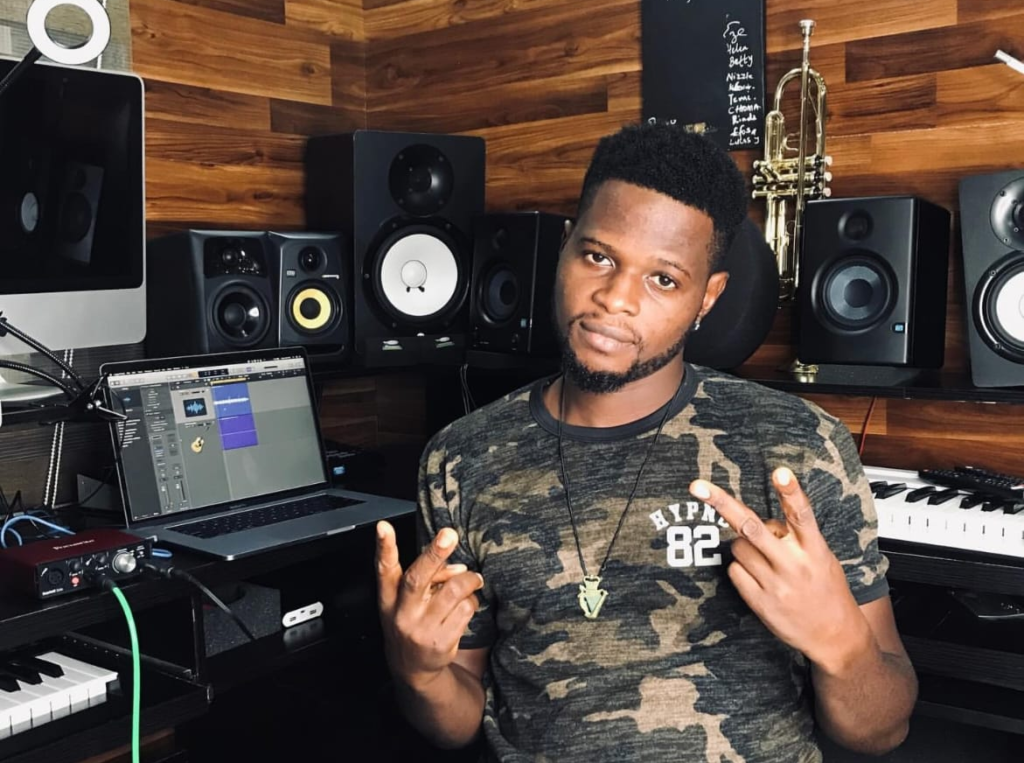
7. You have experienced the creative industry as an artist, performer, client and employer. How has seeing it from these different sides shaped what you are building, beyond payments and professional standards?
Because I have lived on every side of this industry, as an artist, a performer, a client and an employer of creatives, I can see the common pain points clearly. The two biggest are payments and delivery standards, and Jubal is built around solving both.
Being an artist has also shown me something deeper. I have watched creatives who were once at the top of their game have to appeal publicly for help when illness or crisis struck. Professionals in structured sectors like banking have savings, health cover and retirement benefits to fall back on. Creatives deserve that kind of long-term security too, and it is part of what we are working toward.
8. You describe yourself as a creative industrialist and say systems now take priority over building a career. What changed your thinking about success and legacy?
Creatives need to become systems thinkers. Building a career is valuable, and not everyone is called to build systems, but a career is ultimately about one person. A system can outlast any single career and become a vehicle for thousands of others.
My thinking shifted when I began to think about legacy, and about Africa benefiting fully from its own creative value. My career is still very much alive, but systems now take priority, because that is where lasting impact lives. It’s leadership thinking and legacy thinking. I call myself a creative industrialist.
Creativity as the new crude oil and the rise of the Global African
9. If the continent took the creative economy as seriously as you believe it should, what would Africa look like in twenty years?
Africa would be far better for it. By 2050, roughly one in four people on earth is projected to be African, and our young population is brimming with creative talent. Creativity is the new crude oil. If we industrialise it the way we have tried to industrialise oil and other sectors, with real structure, infrastructure and investment, it will become one of the most important engines of Africa’s economic growth.
The world is already opening up to African content and talent, so the timing is perfect. In twenty years, I believe Africa can be the world’s leading supplier of creativity, and its economy will be stronger for it.
10. What do the words “pan-Africanist” and “Afro-optimist” mean to you?
A pan-Africanist believes in and works toward a united Africa. I have been one since childhood, when I first learned in social studies how Africa was broken into 54 pieces. Even then, it felt wrong. Today I lead initiatives that bring Africa together through culture and creativity.
An Afro-optimist believes deeply in what Africa can become. A dear colleague of mine champions that idea, and I share it. I have also developed my own concept: the Global African. The Global African is an African who is not limited by geography, by the weight of Africa’s past, or by the narrow definitions the world has placed on us, an African who thinks and acts globally. So I am a pan-Africanist, an Afro-optimist, and above all, a Global African. My book, The Global African, is coming soon.
Connect with Philip Rayn Otuya on Instagram: @philipraynmusic, X: @Philiprayn, and LinkedIn.