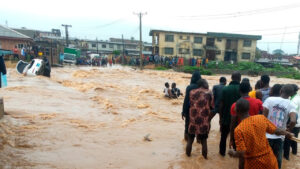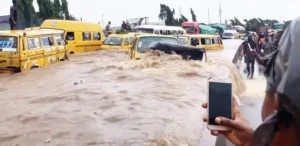



NEMA says 673,350 people have been affected across 134 local government areas, as officials call for stronger disaster preparedness amid El Niño concerns.
Flooding has killed 245 people and displaced 214,997 others across Nigeria, with 673,350 people affected in 134 local government areas across 28 states as of October 20, the National Emergency Management Agency (NEMA) has said.
The agency disclosed the figures at the National Emergency Coordination Forum in Abuja, where government agencies, security institutions, humanitarian organisations and development partners met to assess the country’s disaster risks and strengthen emergency preparedness.
According to a statement issued by NEMA on Friday, October 23, the agency’s Director-General, Zubaida Umar, presented the figures at the meeting held at Ajuji Greenwich Hotel.
Umar, who was represented by the Director of Planning, Research and Forecasting, Godwin Topikor, said the scale of the flooding required a review of ongoing interventions, identification of response gaps and stronger collaboration among relevant institutions.
The figures highlight the human cost of the ongoing flood emergency, with hundreds of thousands affected and more than 200,000 people forced from their homes.
NEMA calls for stronger flood response coordination
Umar said effective disaster management required timely information sharing, coordinated preparedness and a proactive approach to emerging risks.
She warned that displacement, poor sanitation and limited access to essential services could increase public health risks in communities affected by flooding.
The agency called for heightened surveillance and coordinated action to protect vulnerable populations, particularly women, children, older people and persons with disabilities.
Participants at the forum reviewed response priorities across several sectors, including food security, healthcare, education, water, sanitation and hygiene, nutrition, emergency shelter, logistics, security and information management.
The meeting also examined cholera updates and the implications of flooding for public health in affected communities.
In his welcome address, NEMA’s Deputy Director of Planning, Research and Forecasting, Tony Ephraim, urged participants to identify operational gaps, improve information sharing and develop practical recommendations to strengthen national disaster preparedness.
The agency said the forum was intended to help stakeholders harmonise their response plans, avoid duplication of efforts and improve collective readiness for ongoing emergencies.
El Niñno raises questions about disaster preparedness
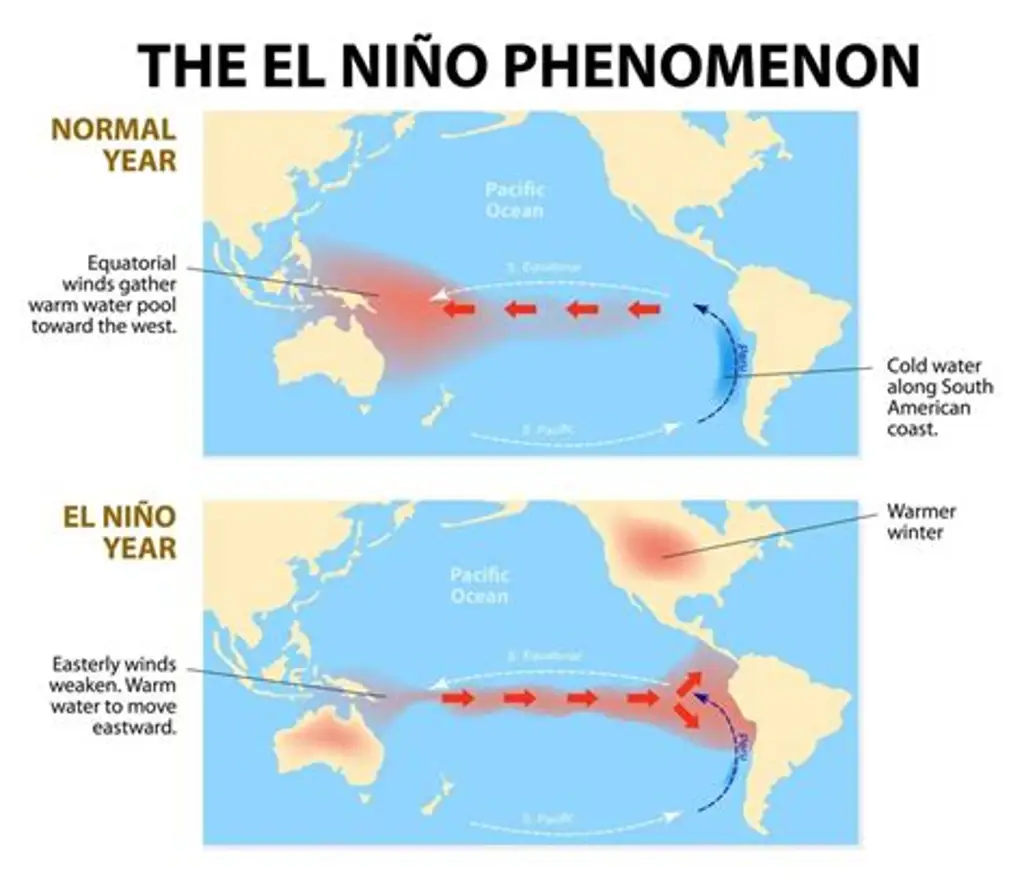
The forum also examined the anticipated 2026/2027 El Niño phenomenon and its potential hydrological implications for Nigeria.
El Niño is a climate pattern associated with warmer-than-usual sea surface temperatures in the central and eastern tropical Pacific Ocean. It can alter rainfall and temperature patterns in different parts of the world, increasing the likelihood of certain extreme weather events.
The World Meteorological Organization said in September that El Niño was expected to strengthen into a very strong event, with effects on global rainfall and temperature patterns potentially continuing into 2027. However, the specific effects vary by region and are not guaranteed.
Umar urged relevant institutions to harmonise climate forecasts, assess potential risks and translate early warnings into practical measures to protect lives, livelihoods and critical infrastructure.
For Nigeria, this requires close coordination between emergency managers and the country’s meteorological and hydrological agencies, alongside preparedness plans tailored to local flood risks.
The Nigeria Hydrological Services Agency’s 2026 Annual Flood Outlook identified thousands of communities across the country as being at varying levels of flood risk, underscoring the need to turn forecasts into early action.
The anticipated El Niño should not, however, be treated as the established cause of Nigeria’s current flooding. Its specific influence on the country’s rainfall and river conditions requires assessment through relevant local forecasts.
Umar said effective disaster management depended on early warning, preparedness, risk reduction, timely response and sustainable recovery.
The latest figures put pressure on authorities to ensure that warnings lead to practical protection for at-risk communities, while relief and recovery efforts reach people who have already lost their homes and livelihoods.
With the flood situation still requiring attention, the agency has called on stakeholders to strengthen coordination and prioritise the safety of affected populations.