



Olajumoke, founder of Jumixit, on building a baking business from scratch, the cakes that humbled her, and why stubbornness is a non-negotiable skill for any entrepreneur in Nigeria
Every week, we throw 10 questions at someone whose mind we find fascinating — the thinkers, founders, innovators, policymakers, builders, and culture-shapers quietly changing how we see the world and inspiring us to do things not just differently, but better-differently. First thoughts only.
This week, we caught up with Olajumoke Adebayo, founder of Jumixit, a Lagos-based cake and baking brand she built from scratch, not because she had a business plan, but because she genuinely, deeply loved cake. She started by offering to decorate for free just to get better at her craft. Six years later, she has a team, a reputation, and a brand trusted with some of the most important celebrations in her customers’ lives.
What does it take to turn something you love into something that lasts?
Read as Olajumoke shares her thoughts on craft, resilience, and the very particular kind of stubbornness it takes to build a business in Nigeria:
Who Olajumoke was before the cakes
1. Before the cakes, orders and business, who was Olajumoke growing up, and what did you imagine you would eventually become?
I was a very curious and hardworking person growing up. I have always been someone who likes to create, lead, figure things out and make things happen. Interestingly, I don’t like being idle; being idle makes me restless. I didn’t grow up with a clear picture that I would become a baker or own a cake business.
I had other ideas about what my future would look like, but I think the entrepreneurial part of me was always there. I remember selling tote bags and shirts in school. I just didn’t know what form it would eventually take. Looking back, I realise that baking gave that part of me a place to express itself.
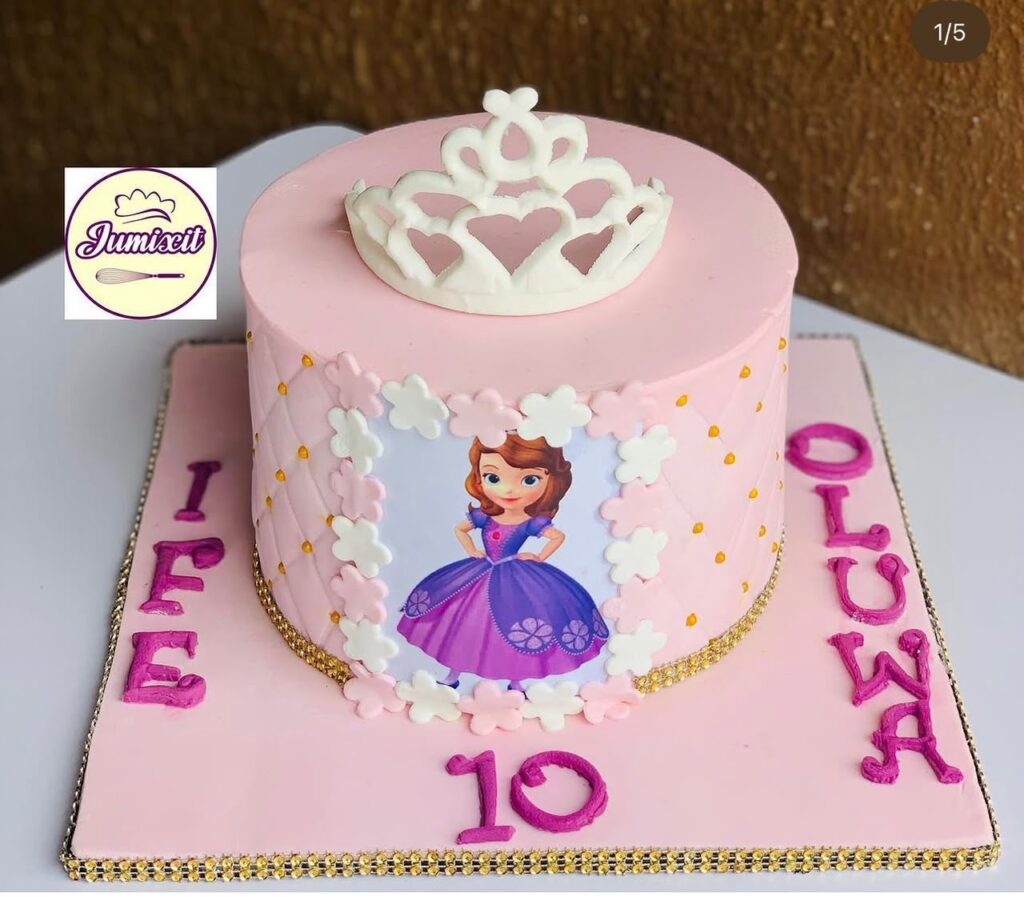
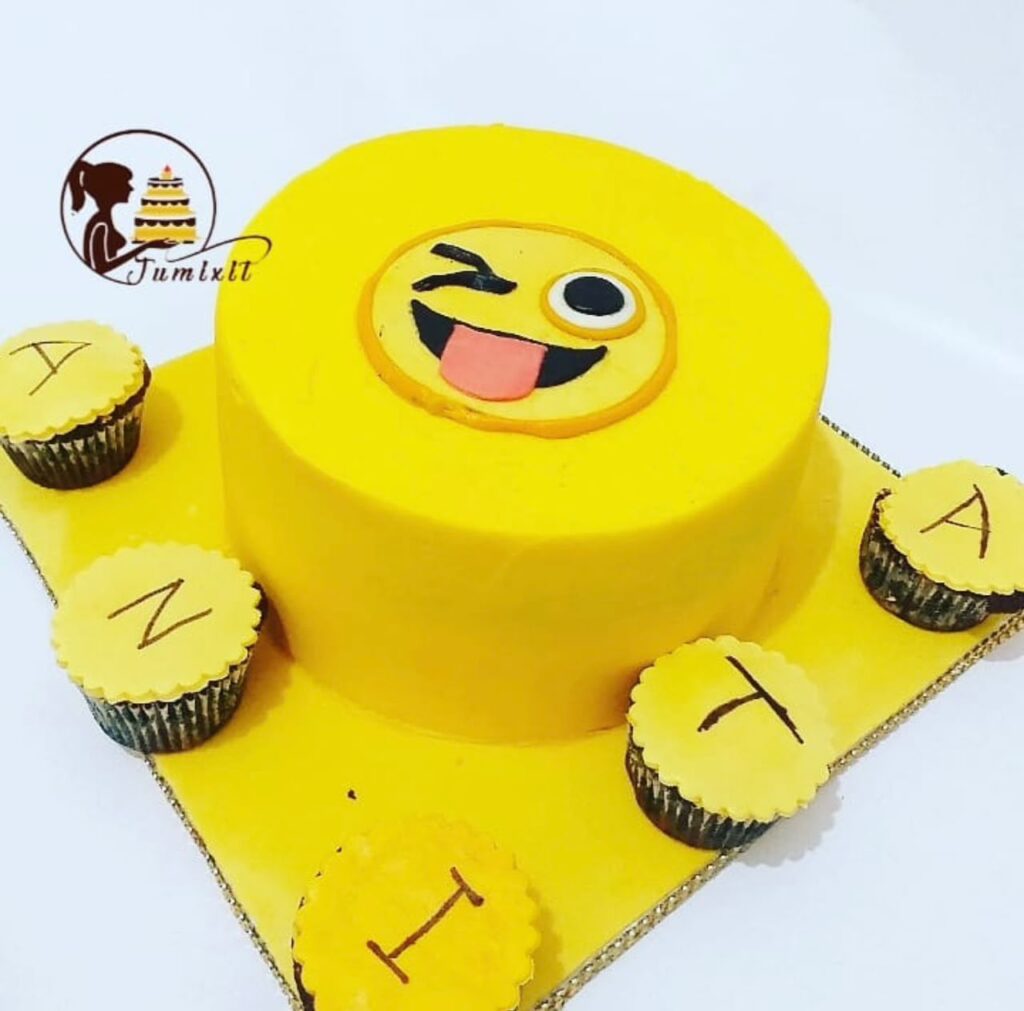
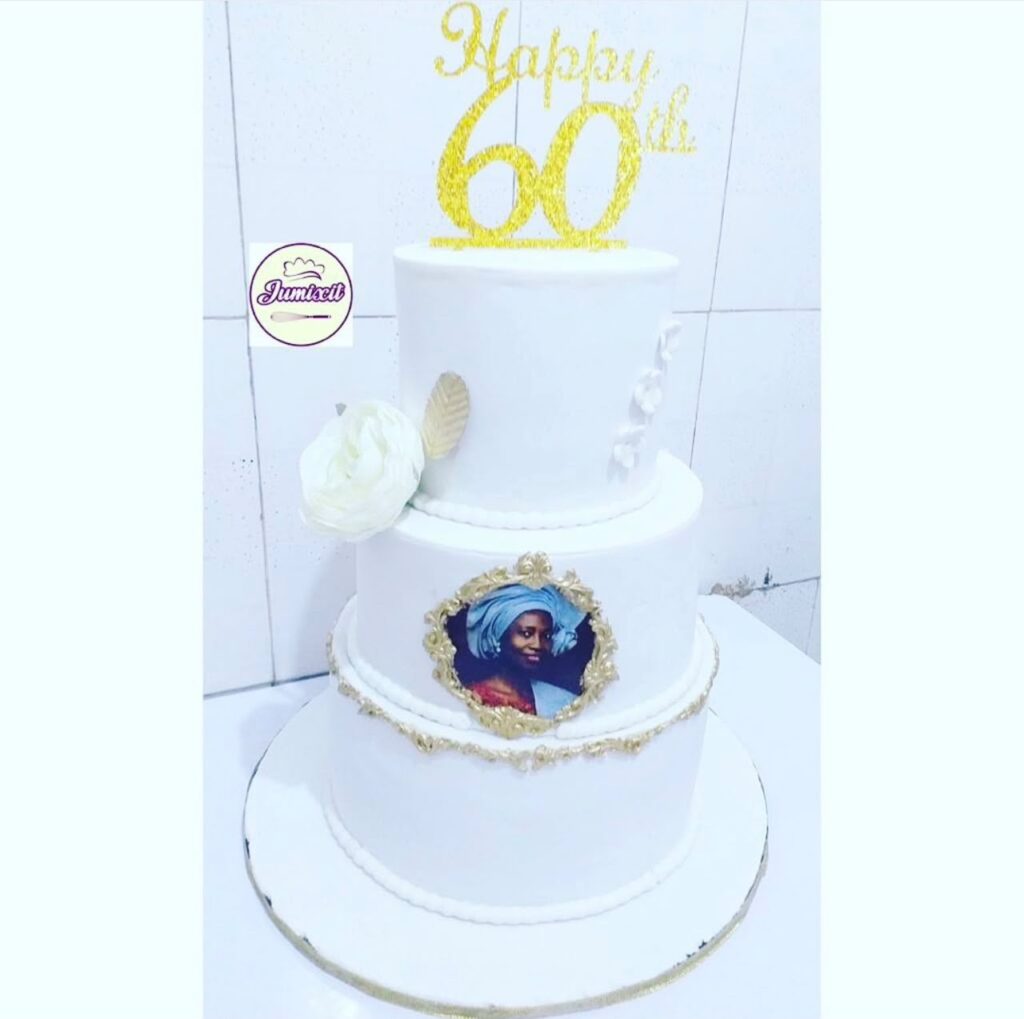

2. You didn’t actually set out to start a baking business. So what happened that made you think, “Wait, maybe I should actually do something with this”?
It really started from enjoying cake. I remember using almost all my allowance to buy cake loaves in school, and receiving cakes as birthday gifts makes me so happy; I don’t mind not receiving any other gifts. At some point, I realised I wasn’t just interested in eating cake; I wanted to learn how to make it for myself.
Then my friends started asking me to make cakes for them after tasting what I made, and eventually, people were willing to pay for what I was baking. When someone ordered a cake, I would ask if I could decorate for them at no extra cost just so I could get better at decorating. That was the moment I started looking at it differently.
I thought, okay, maybe this isn’t just something I enjoy doing. Maybe there’s actually a business here.
And that small realisation eventually became Jumixit.
Building Jumixit: the reality behind every finished cake
3. What is one thing people see when they look at Jumixit that they probably don’t realise happens behind the scenes?
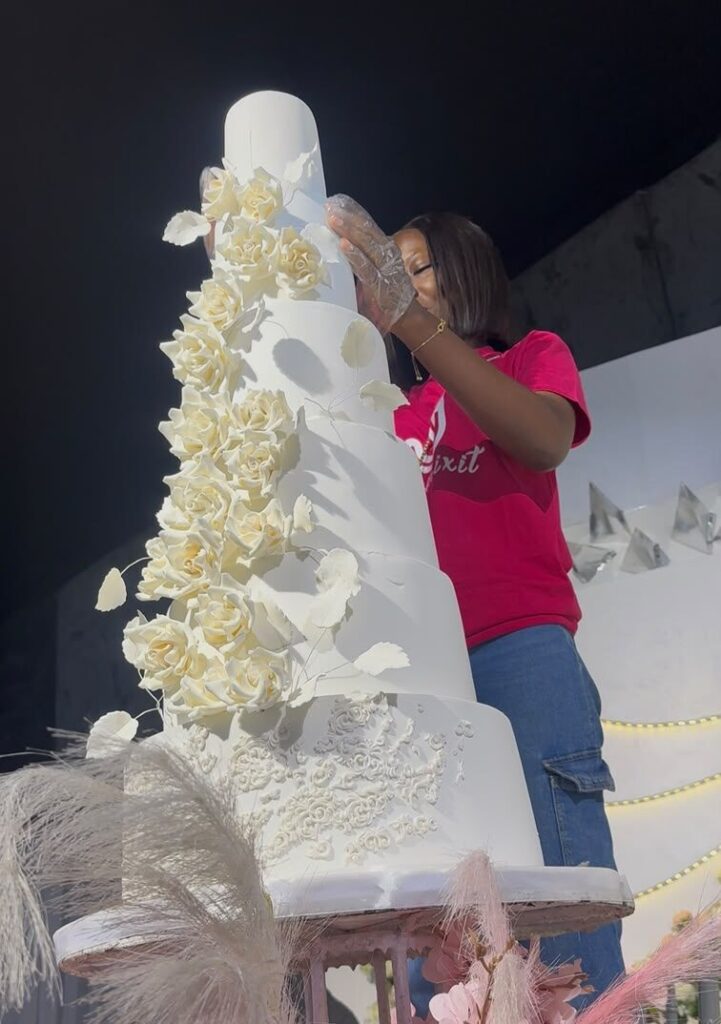
They see the finished cake, but they don’t see everything that goes into getting that cake out the door.
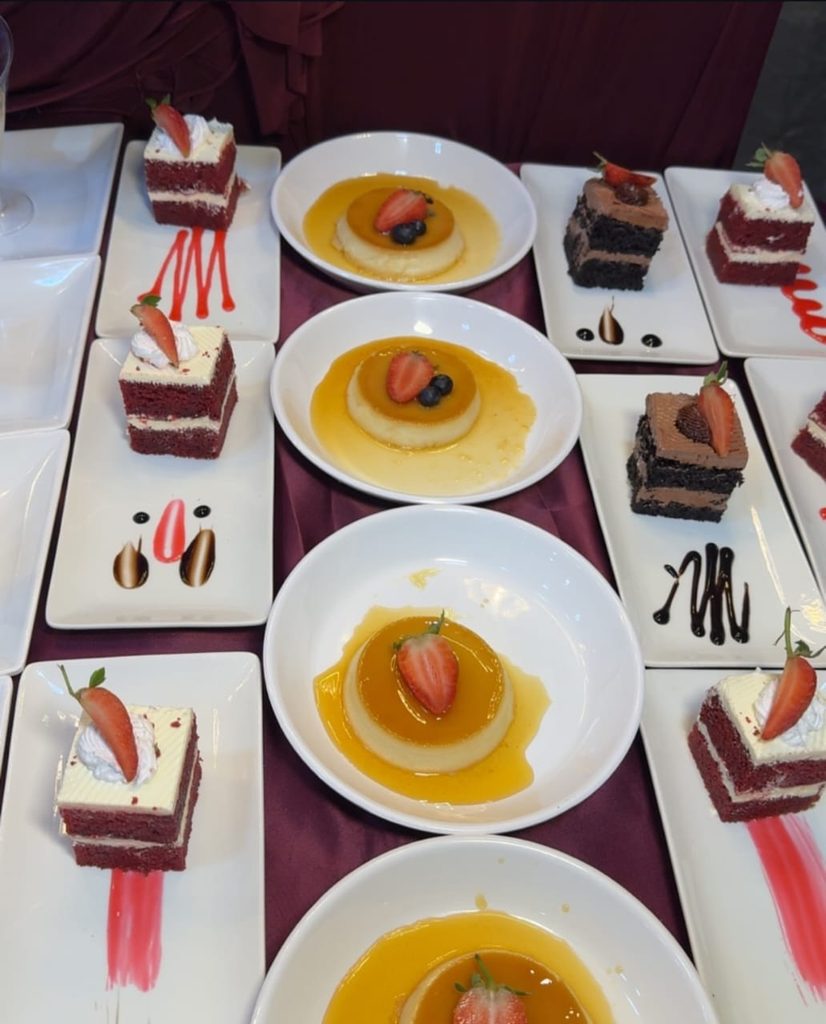
There is so much planning, preparation, problem-solving, sourcing, baking, decorating, correcting mistakes, coordinating deliveries and managing customers behind one beautiful cake.
And because we care a lot about quality, we don’t just want to produce something that looks good. It has to taste good too. So there are a lot of details happening behind the scenes that customers may never see.

4. There is a difference between making a cake you love and making a cake a customer is willing to pay for. How did you learn to balance your creativity with what your customers actually want?
I learnt that being creative doesn’t mean ignoring what the customer wants.
The customer is celebrating something, and my job is to understand their vision and then bring my expertise into it. Sometimes I have a different idea from what they initially imagined, and that’s where communication becomes important.
I’ve also learnt that not every cake has to be designed according to my personal taste. The real skill is being able to take someone’s idea, understand the brief and still execute it to a standard I’m proud of.
5. Starting something you love and turning it into a business are two very different things. What was the reality of those early days when you went from simply loving cake to actually selling it?
The early days were a lot of learning on the job.
I had to learn that baking well was only one part of running a baking business. You have to understand pricing, customer service, purchasing, delivery, marketing, social media, staff, time management and, most importantly, money.
There were definitely moments when I had to learn things the hard way. But every mistake taught me something, and every order helped me understand the kind of business I wanted to build.
And I also had support from friends and family. The referrals also helped, and I’m genuinely grateful for the people who believed in me and my work.
But one thing about starting a business is that most of the money you make in those early days goes right back into the business. You’re building, testing, learning, making mistakes, and figuring things out as you go.
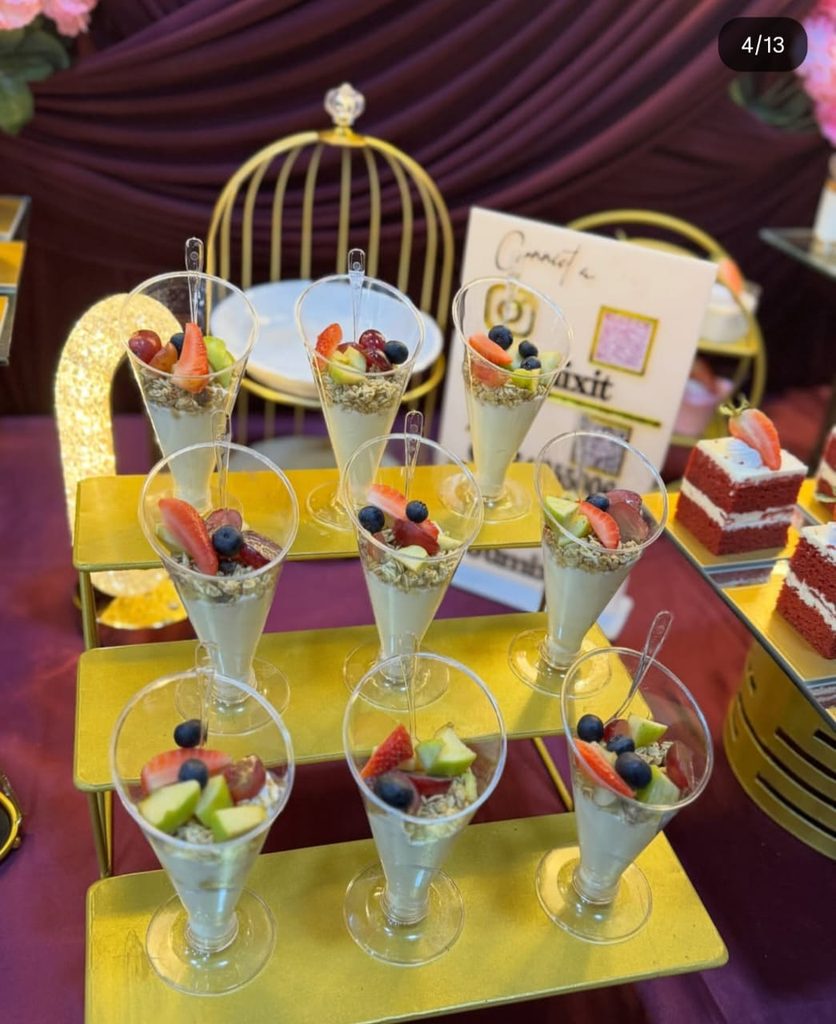
There were days when orders weren’t coming in, but I made sure I was selling something every day. If it wasn’t loaves, it was cake parfait. There was even a time I did a zobo and cake loaf combo.😂 I just had to keep moving!
And honestly, even till today, a good portion of what comes into the business still goes back into it.
I think one of the biggest transitions was realising that being good at your craft and being good at business are two different skills, and you need both. I am still learning, growing and figuring things out along the way.
The lessons, the hard seasons and the cakes that humbled her
6. If you could sit down with the version of yourself who was just starting out, before you knew where this journey would take you, what would you tell her?
I’d tell her, don’t rush the process.
You will make mistakes. You will have cakes that don’t come out exactly how you imagined. You will have difficult customers, difficult seasons and days when you question yourself. You’ll have days the orders won’t come at all.
But keep learning.
I’d also tell her to take herself seriously much earlier. There were probably times I underestimated how far I could actually take this.
And I’d tell her: keep going, don’t doubt yourself, if people before you made it you can make it too. The woman you are becoming needs you to survive the season you’re currently in.
7. At what point did you realise, “Okay, this is no longer just me having fun with cake. I’m actually building a business”?
I think it happened gradually.
It was when the orders became consistent, when people started referring other people to me, when customers started coming back, and when I realised people were trusting me with really important celebrations: weddings, birthdays, anniversaries and other milestones.
Almost immediately after I started in Ife, people who had tasted my cakes began requesting that I bake their wedding cakes all the way from Ife to Lagos.
I remember getting two wedding cake orders in Lagos in 2020, even before I eventually moved to Lagos in 2021. People were trusting me with their big days from a distance, and I’ll never take that kind of trust for granted.
Then I started having to build systems, work with people, manage schedules and think beyond the individual cake in front of me.
That was when I realised, this is bigger than me making cake.
I wasn’t just making cakes anymore. I was building a brand.
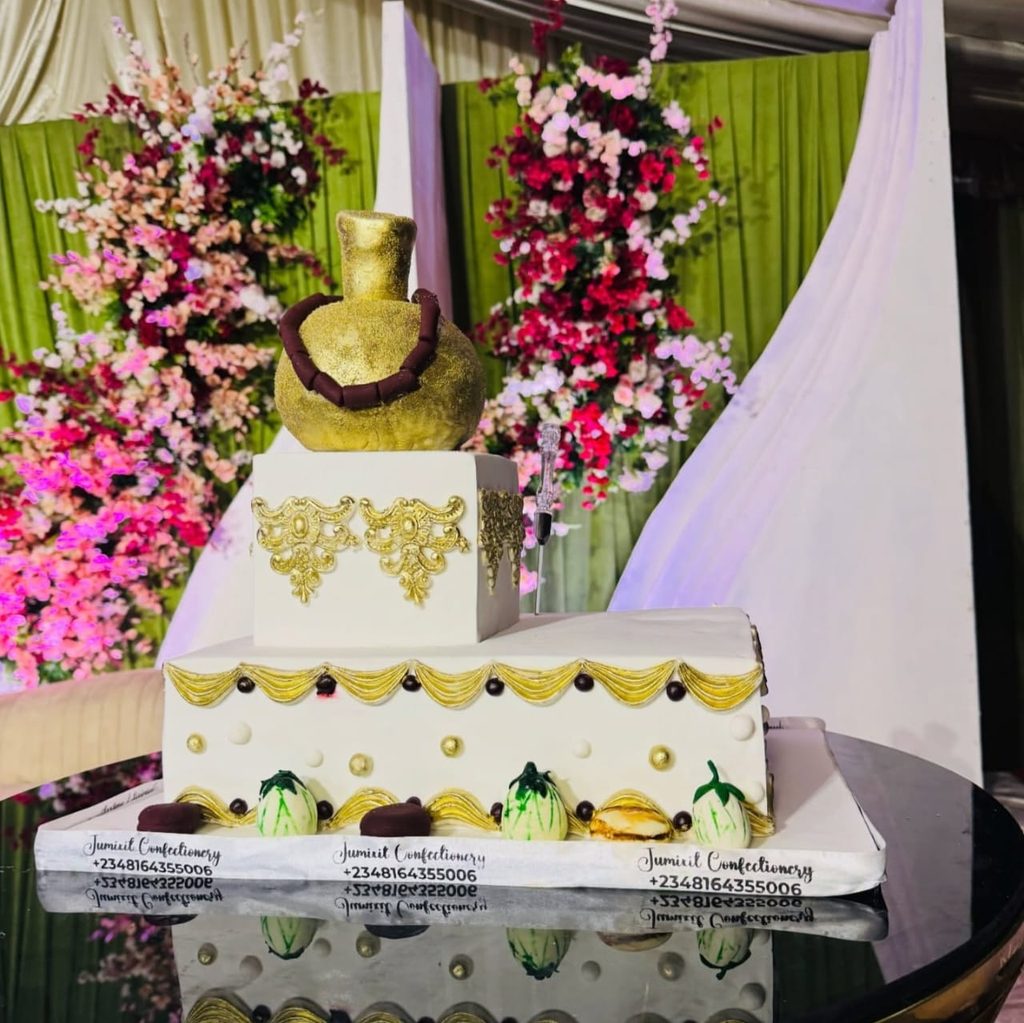
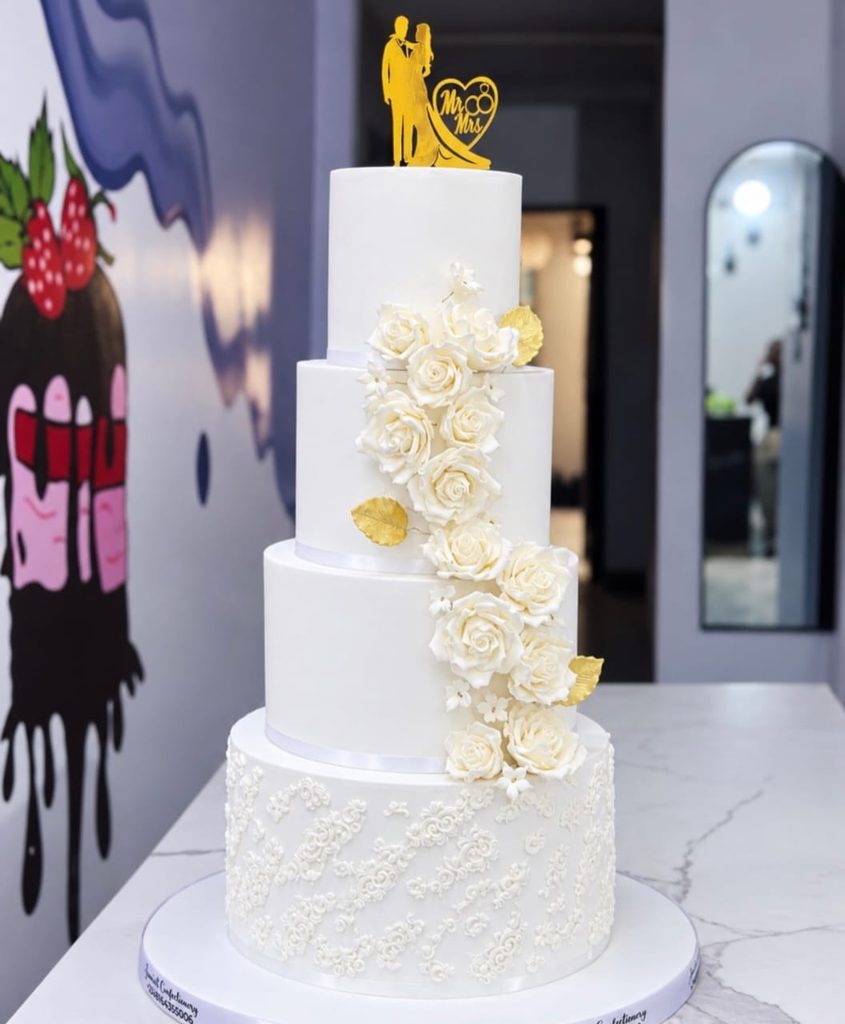

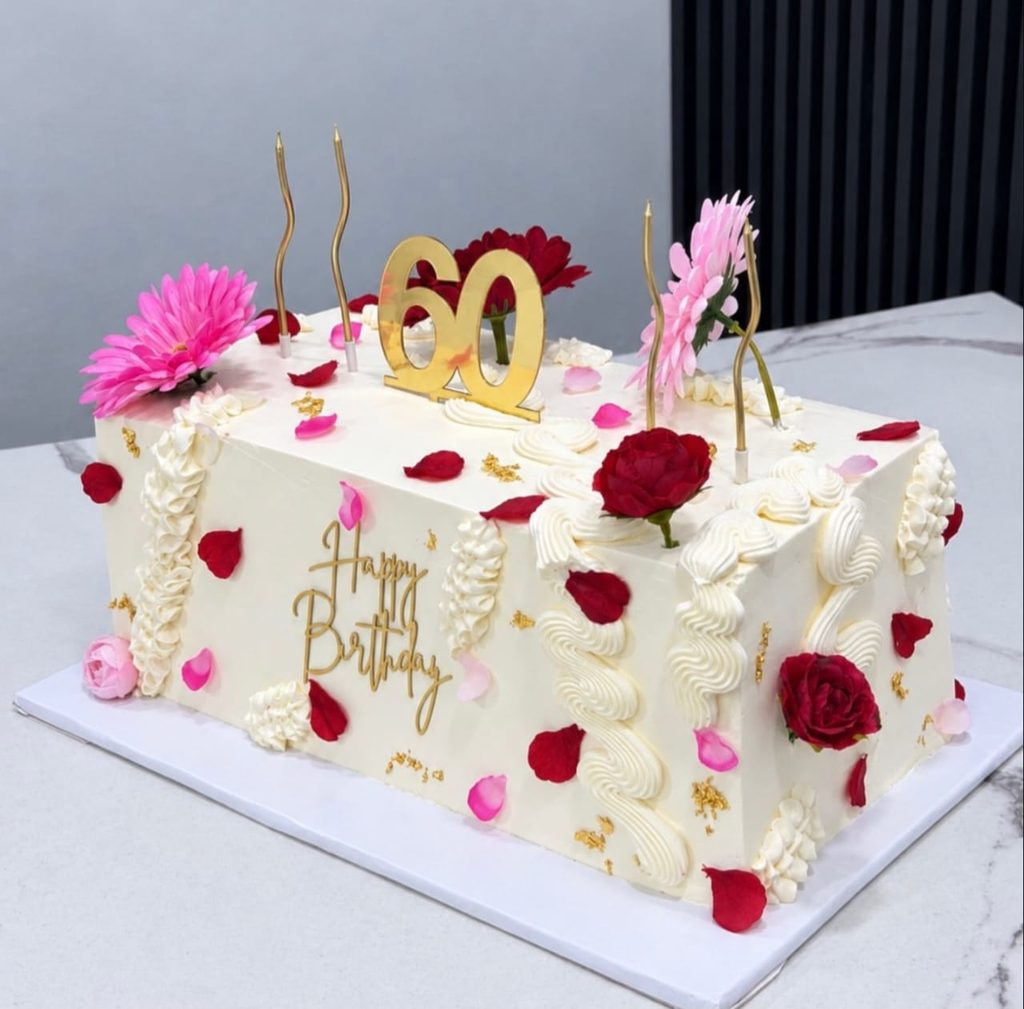
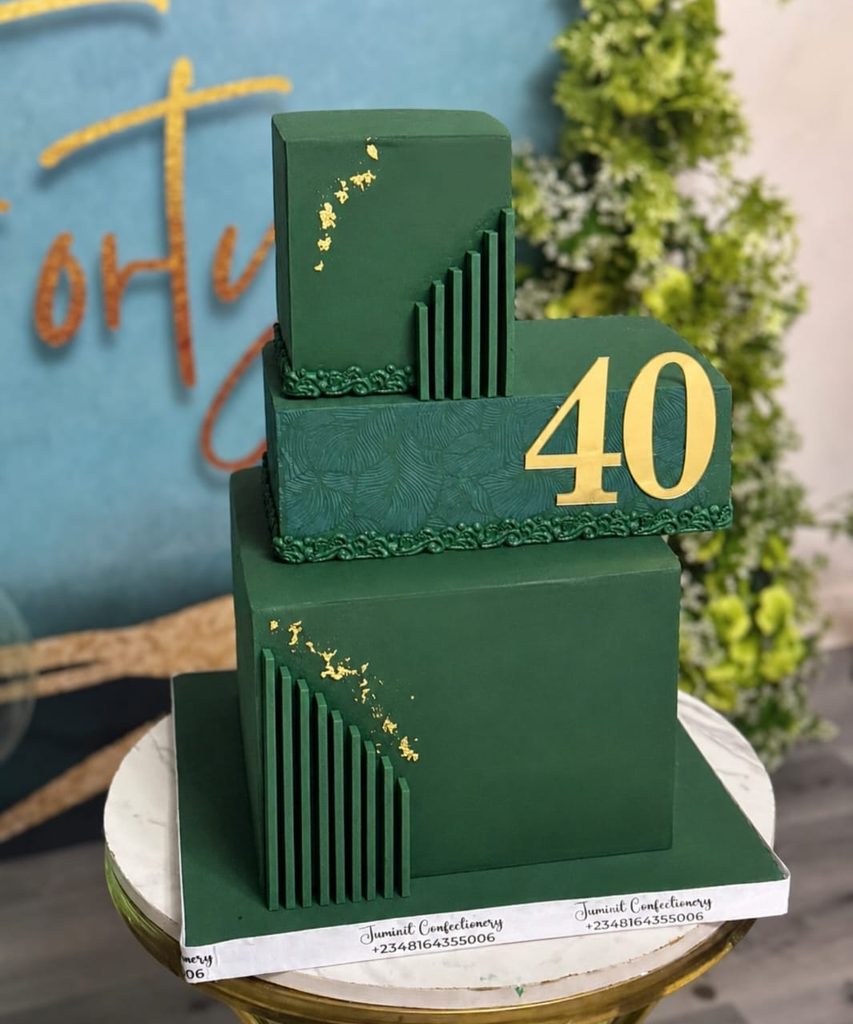
8. Every baker has that one cake that humbles them. What has been your biggest baking disaster or most challenging order, and what did it teach you?
I’ve had a few cakes that have humbled me.
One of the biggest lessons has been that the more important the cake is, the more room you have to prepare for the unexpected. Cakes can behave differently because of weather, transportation, ingredients, timing or even something as simple as the environment.
I’ve had challenging deliveries too, including taking cakes long distances outside Lagos. When you’re moving a cake from Lagos to another city and it has to arrive looking exactly the way it left, you learn very quickly that baking is only half the job.
Those experiences taught me to plan ahead, have contingencies and never assume that because you’ve done something successfully before, nothing can go wrong this time. No two cakes or delivery processes are the same.
Six years in: why she kept going and what she is building towards
9. Was there ever a point when you seriously considered giving up on the business? What was happening at the time, and what made you keep going?
There have definitely been difficult periods where I’ve wondered whether it was worth it. Electricity and logistics issues top the chart of the problems that make me consider giving up.
Running a business can be exhausting, especially when you’re carrying the responsibility for other people, customers, finances and the reputation of the brand. Running the business in Nigeria doubles the exhaustion. Sometimes you can be doing everything you can and still feel like things aren’t moving as quickly as you’d like.
But I kept going because I genuinely love what I do.
And beyond loving cake, I had already built something that I was proud of. Six years in, Jumixit isn’t just an idea anymore. It’s a real business with customers, a team, experiences and a reputation.
So even when things get difficult, I remind myself that difficult seasons are not necessarily the end of the journey.
10. If we fast-forward five or ten years, beyond the cakes, money and business growth, what do you want people to remember about the woman who started this brand simply because she really, really loved cake?
I want them to remember that she built something meaningful from something she genuinely loved.
I want people to say that I was intentional about quality, that I cared about my customers, and that I didn’t settle for producing subpar work.
But more than that, I want Jumixit to represent proof that you can start with something small and continue to build it into something much bigger than you initially imagined.
I want people to remember the woman behind the brand as someone who was passionate, resilient, creative, stubborn (you need the stubbornness to thrive in Nigeria) and willing to keep learning.
And honestly, I want them to remember that I really, really loved cake, and I took that love seriously enough to build a business around it.
Connect with Jumixit on Instagram, X, Facebook: @Jumixit