

Over the decades, Nigeria’s democracy has evolved through different political climates, from colonial rule to independence, from military regimes to civilian transitions.
At the heart of this evolution has been the nation’s electoral body, from the Electoral Commission of Nigeria (ECN) in 1958 to today’s Independent National Electoral Commission (INEC) and the men and women who have chaired it.
Here’s a look at all the electoral umpires who have shaped Nigeria’s voting history from inception till date.
- R. E. Wraith (1958–1959)
Body: Electoral Commission of Nigeria (ECN)
A British academic, R. E. Wraith, was Nigeria’s first electoral chief under colonial administration. He supervised the 1959 general elections, Nigeria’s first nationwide polls, which ushered in independence in 1960. Though colonial in outlook, Wraith’s tenure laid the institutional foundation for Nigeria’s electoral system.
- Eyo Esua (1964–1966)
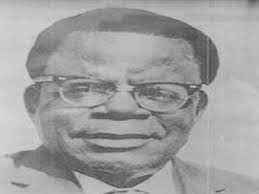
Body: Federal Electoral Commission (FEC)
A respected educator and administrator from Cross River, Eyo Esua oversaw the controversial 1964 federal and 1965 regional elections. His tenure was marked by political tension and violence that eventually led to the first military coup in 1966. Despite the turmoil, Esua is remembered for his attempt to maintain neutrality amid immense political pressure.
- Michael Ani (1976–1979)
Body: Federal Electoral Commission (FEDECO)
Appointed under General Olusegun Obasanjo’s military government, Justice Michael Ani conducted the landmark 1979 elections that brought President Shehu Shagari to power. Ani’s FEDECO was credited for restoring civilian rule after years of military governance.
- Victor Ovie-Whiskey (1980–1983)
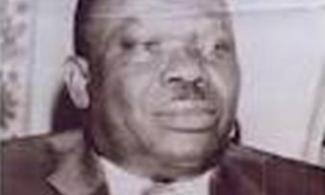
Body: FEDECO
A retired High Court judge from Delta State, Justice Victor Ovie-Whiskey presided over the 1983 elections. His tenure faced challenges of vote manipulation and political violence. Though marred by controversy, Ovie-Whiskey’s integrity earned him personal respect even amid national disappointment.
- Eme Awa (1987–1989)
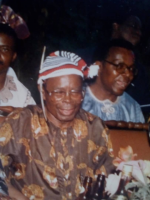
Body: National Electoral Commission (NEC)
A political scientist and former Vice-Chancellor of the University of Nigeria, Nsukka, Prof. Eme Awa was appointed by General Ibrahim Babangida. He began the process of political transition under the military regime but resigned in protest over government interference in electoral matters.
- Humphrey Nwosu (1989–1993)
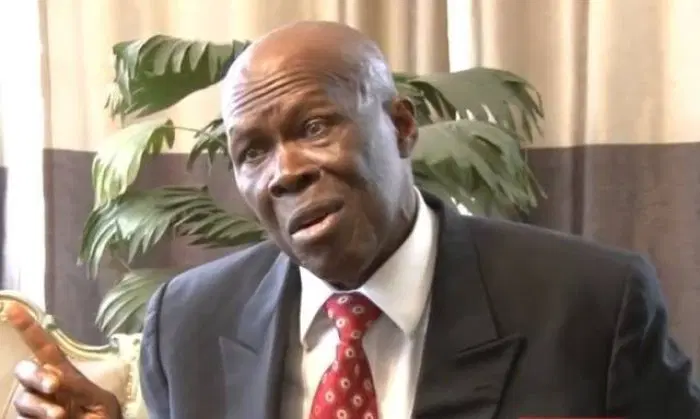
Body: NEC
Perhaps one of the most remembered, Prof. Humphrey Nwosu conducted the historic June 12, 1993 presidential election, widely regarded as Nigeria’s freest and fairest. Though the results were annulled by the military, Nwosu’s introduction of the Option A4 voting system and open ballot method remain milestones in Nigeria’s electoral history.
- Okon Uya (1993–1994)
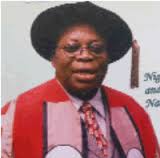
Body: NEC
After Nwosu’s removal, Prof. Okon Uya, a diplomat and academic, briefly headed the commission. His short tenure coincided with the political crisis following the June 12 annulment, which limited his ability to make significant reforms.
- Sumner Dagogo-Jack (1994–1998)
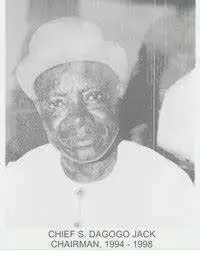
Body: National Electoral Commission of Nigeria (NECON)
A lawyer from Rivers State, Sumner Dagogo-Jack oversaw the electoral process under General Sani Abacha’s regime. His NECON conducted local and legislative elections during the military’s transition plan, though many of these were annulled after Abacha’s death.
- Ephraim Akpata (1998–2000)
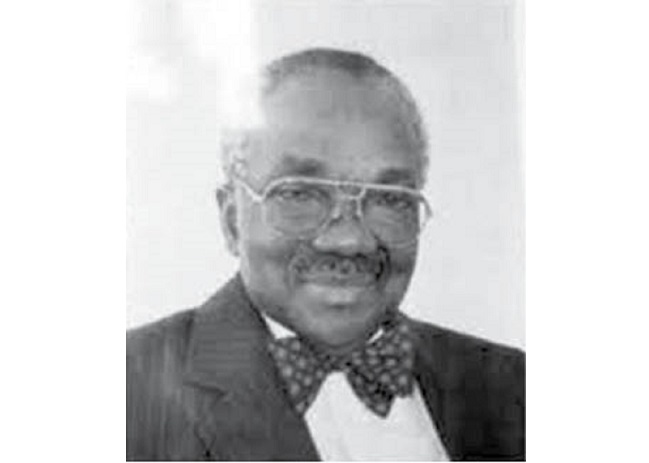
Body: Independent National Electoral Commission (INEC)
Justice Ephraim Akpata, a retired judge, became the first chairman of INEC after its establishment in 1998. He successfully conducted the 1999 general elections, which ended over 15 years of military rule and ushered in the Fourth Republic under President Olusegun Obasanjo. Akpata’s calm and fair leadership reestablished public trust in elections.
- Abel Guobadia (2000–2005)
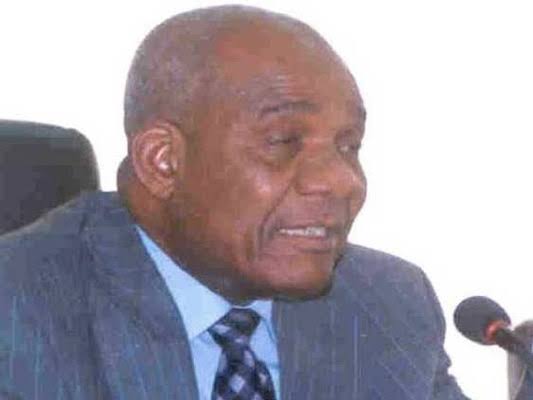
Body: INEC
A technocrat and educationist, Dr. Abel Guobadia conducted the 2003 general elections, Nigeria’s first civilian-to-civilian transition. Though criticized for irregularities, he maintained a stable commission and introduced improved voter registration procedures.
- Maurice Iwu (2005–2010)
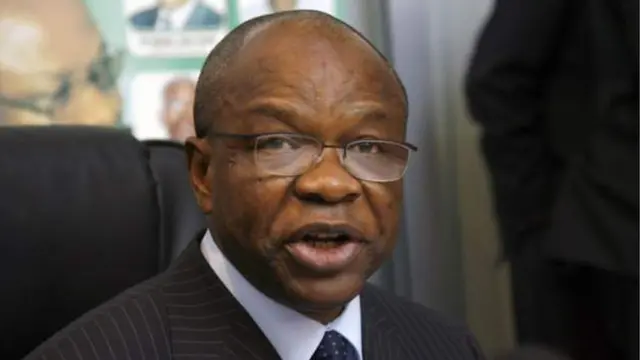
Body: INEC
Prof. Maurice Iwu, a pharmacist and researcher, oversaw the 2007 general elections, one of the most disputed in Nigeria’s history. Despite controversies, he initiated the adoption of biometric registration and promoted the idea of electronic voting, which later became a cornerstone of electoral reform.
- Attahiru Jega (2010–2015)
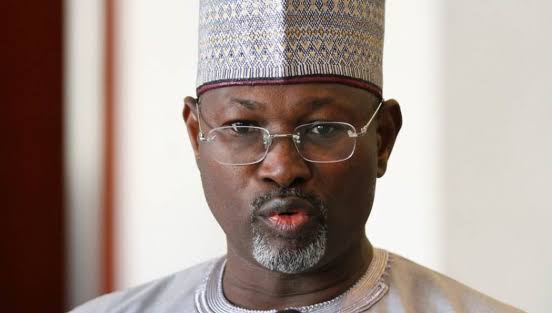
Body: INEC
Prof. Attahiru Jega, a former university vice-chancellor and activist, is credited with modernizing Nigeria’s electoral process. Under his leadership, INEC introduced the Permanent Voter Card (PVC) and Smart Card Reader. He supervised the 2011 and 2015 elections, the latter leading to Nigeria’s first peaceful transfer of power between political parties.
- Amina Bala Zakari (Acting, July–Nov 2015)
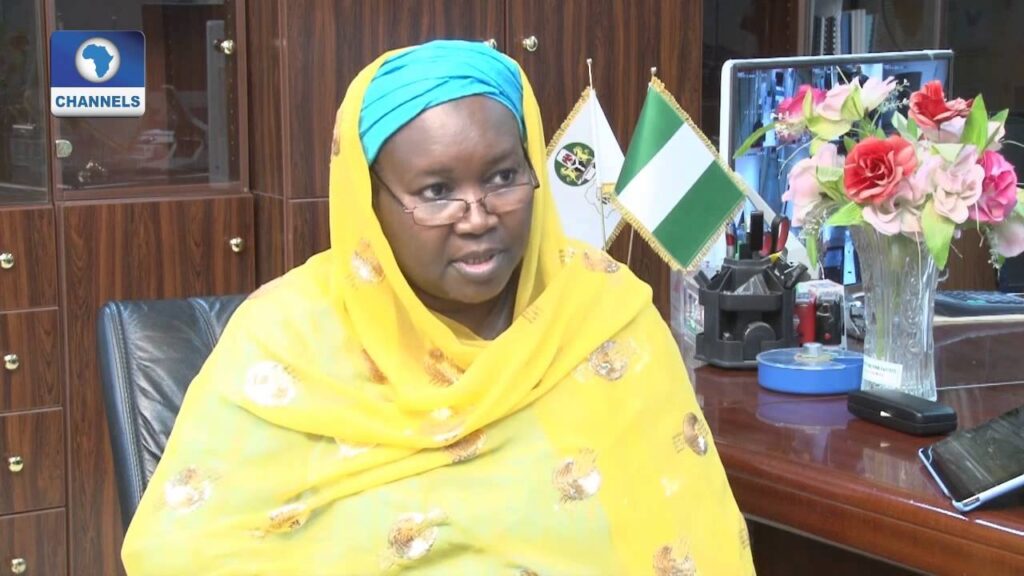
Body: INEC
Hajia Amina Zakari became the first woman to head INEC, albeit in an acting capacity. Her brief tenure ensured a smooth handover following Jega’s exit, maintaining institutional stability.
- Mahmood Yakubu (2015–2025)
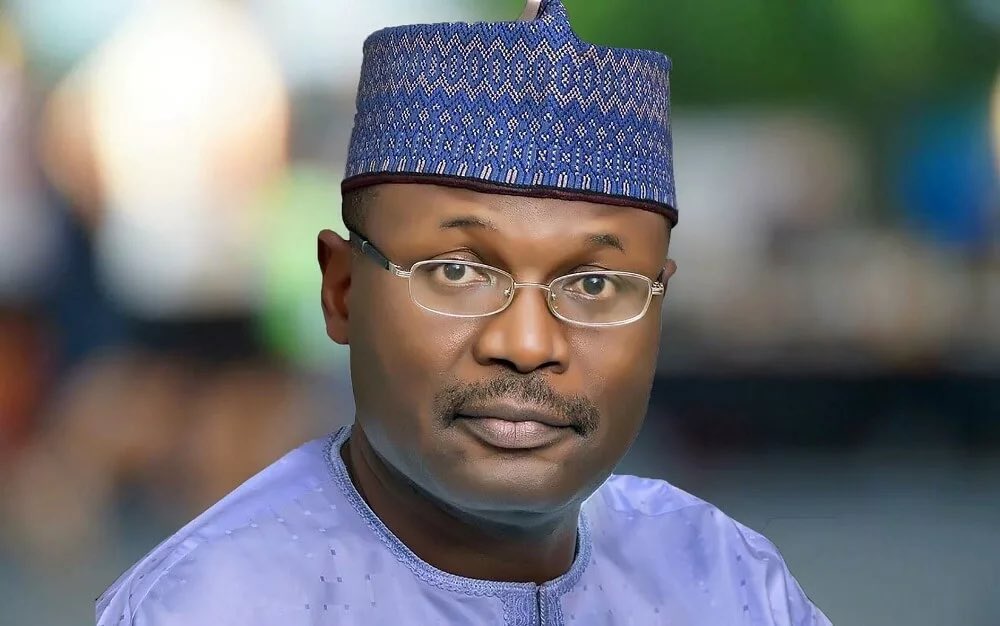
Body: INEC
Appointed by President Muhammadu Buhari, Prof. Mahmood Yakubu has overseen three general elections — 2019, 2023, and ongoing preparations for 2027. His tenure has focused on digital reforms, expansion of voter access, and strengthening of electoral transparency, including the introduction of the BVAS (Bimodal Voter Accreditation System) and IReV results portal.
- May Agbamuche-Mbu (Acting, 2025–Present)
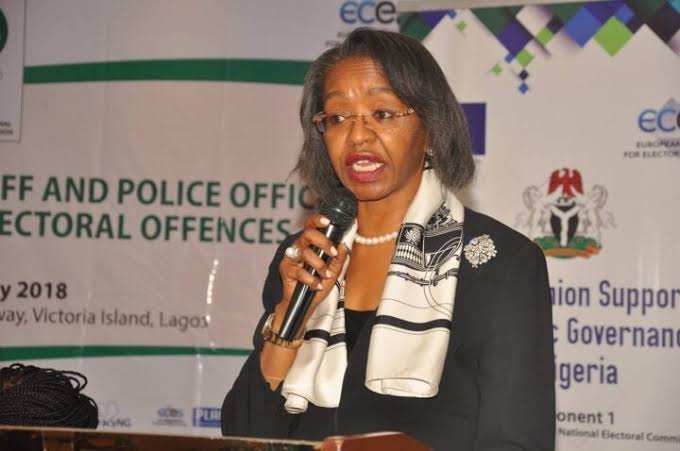
Body: INEC
Mrs. May Agbamuche-Mbu, a lawyer and national commissioner from Delta State, became the second woman to lead INEC in acting capacity following Mahmood Yakubu’s exit in 2025. Known for her calm leadership style, she has been part of several electoral innovations within the commission since 2016.
From colonial supervision to digital transformation, Nigeria’s electoral journey has been shaped by these leaders each confronting the peculiar challenges of their era.
From Wraith’s foundational work to Yakubu’s tech-driven elections, the story of Nigeria’s electoral umpire mirrors the nation’s struggle toward credible democracy.
Recently, President Bola Ahmed Tinubu nominated Prof. Joash Ojo Amupitan, SAN, as the new INEC Chairman, following the expiration of Mahmood Yakubu’s tenure.
A distinguished legal scholar from Kogi State and Senior Advocate of Nigeria, Amupitan is the first person from the state to be nominated for the position. His appointment, approved by the National Council of State and awaiting Senate confirmation, has been widely welcomed for his reputation as a disciplined, apolitical figure with a strong record in constitutional law and governance.
As INEC moves forward under new leadership, Nigerians continue to hope for one thing that has remained constant since 1959: free, fair, and truly transparent elections.