

NAFDAC has destroyed expired donated medicines worth ₦59 million shipped from the US after they were intercepted at the Port Harcourt port.
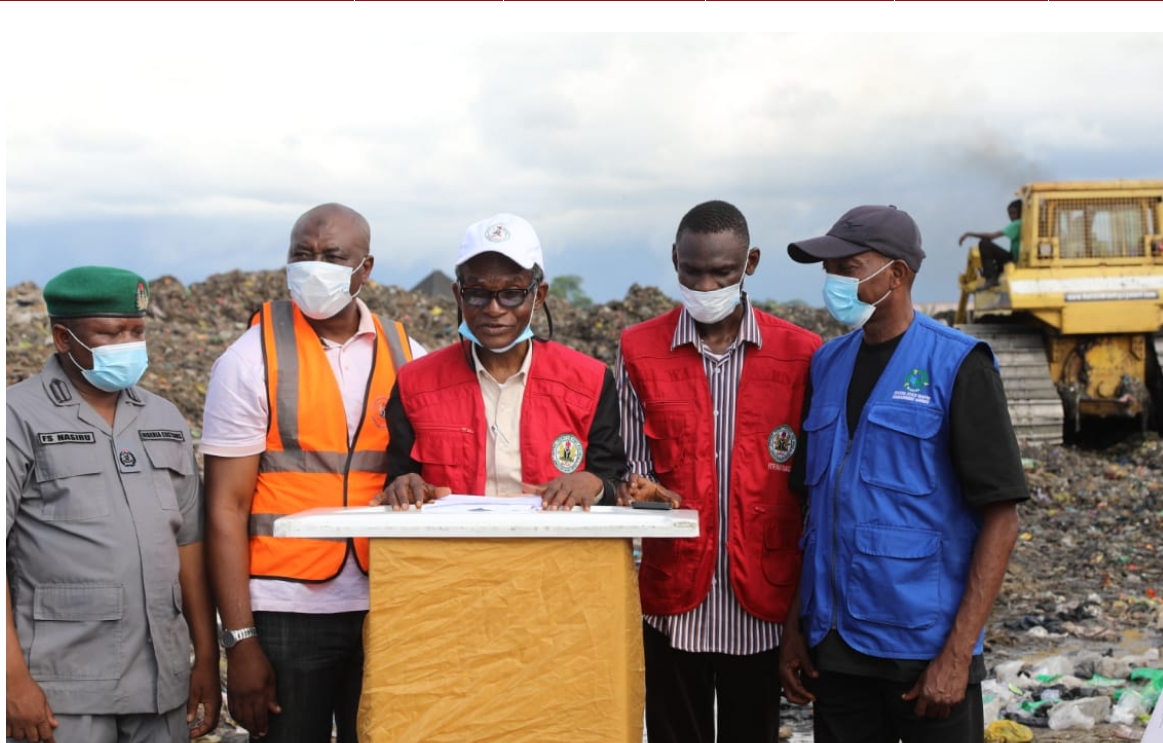
The National Agency for Food and Drug Administration and Control (NAFDAC) says it has destroyed expired donated medicines worth N59 million at the Igwuruta dump site along the Eneka-Igwuruta Road in Obio/Akpor Local Government Area, Rivers State.
In a post on its official X handle on Thursday, NAFDAC said the medicines were shipped from the United States through the Nigeria Ports Authority (NPA) Area 1 Port in Port Harcourt. The destruction exercise itself took place on Monday, September 14.
What Was Destroyed
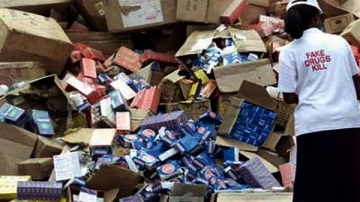
The agency said the destroyed medicines included antidepressants, anti-ulcer medicines, analgesics and medicines for the management of hypertension, alongside various medical consumables. The consignment was packed in a single 40-foot container.
NAFDAC Director for the South-South Zone, Chukwuma Oligbu, said the drugs were flagged by NAFDAC inspectors at the port working in collaboration with officials of the Nigeria Customs Service (NCS), before being held and subsequently destroyed.
“These expired donated drugs were shipped into the country from the United States through NPA Area 1 Port, Port Harcourt, before they were flagged by eagle-eyed NAFDAC inspectors at the Port in collaboration with Customs officials,” Oligbu said. “
The drugs worth about ₦59 million were put on hold until their subsequent destruction. It further demonstrates our collective resolve to prevent the diversion, misuse and unauthorised distribution of expired, substandard or otherwise unfit medical products.”
Why Destruction Matters
The agency explained that although donated medicines support healthcare delivery for vulnerable and underserved populations, expired and unsuitable products must be removed from the supply chain and safely destroyed to prevent misuse, diversion and unauthorised distribution.
“The presence of expired medicines within the supply chain poses significant risks to public health,” Oligbu said. “Their potential re-entry into circulation can result in misuse, diversion or inappropriate administration, while also undermining public confidence in our healthcare system.”
“Conducted in collaboration with the Nigeria Customs Service and other sister agencies, the exercise highlights the importance of inter-agency cooperation in safeguarding the pharmaceutical supply chain,” the agency’s post read.
The destruction exercise was also attended by police and military personnel, a security presence intended to guard against the kind of scavenging and diversion that discarded pharmaceuticals can attract if left unguarded, given the South-South zone’s dense concentration of seaports and coastal trade routes.
Oligbu said the exercise reflected the commitment of NAFDAC, under the leadership of Director-General Prof. Mojisola Adeyeye, to protecting Nigerians and ensuring that medicines in the country meet required standards of quality, safety and effectiveness.
He urged organisations involved in donating medicines to Nigeria to ensure that products sent have sufficient remaining shelf life and meet the country’s regulatory requirements, and reiterated NAFDAC’s commitment to working with agencies including the NCS to prevent substandard, expired and unsuitable medicines from entering the Nigerian market.
The Port Harcourt destruction follows a much larger operation in March, when NAFDAC destroyed bus-loads of expired, falsified, unregistered and banned medicines seized from the Idumota Open Drug Market in Lagos, estimated at N100 billion. Those seizures were carried out over three weeks during a reinforcement operation.
NAFDAC has separately disclosed destroying more than N1.5 trillion worth of counterfeit and substandard regulated products in coordinated raids in Lagos and the South-East between February and March 2025, as part of a broader enforcement drive that has continued through 2026.