

Zakai founder Benahili Ojeme on batik, androgynous fashion, a seven-month hiatus, and why the outfit should expand to fit you, not the other way around.
Every week, we throw 10 questions at someone whose mind we find fascinating — the thinkers, founders, innovators, policymakers, builders, and culture-shapers quietly changing how we see the world and inspiring us to do things not just differently, but better-differently. First thoughts only.
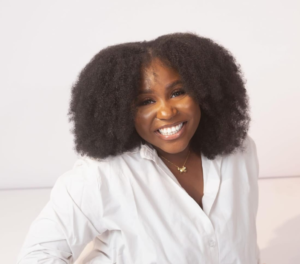
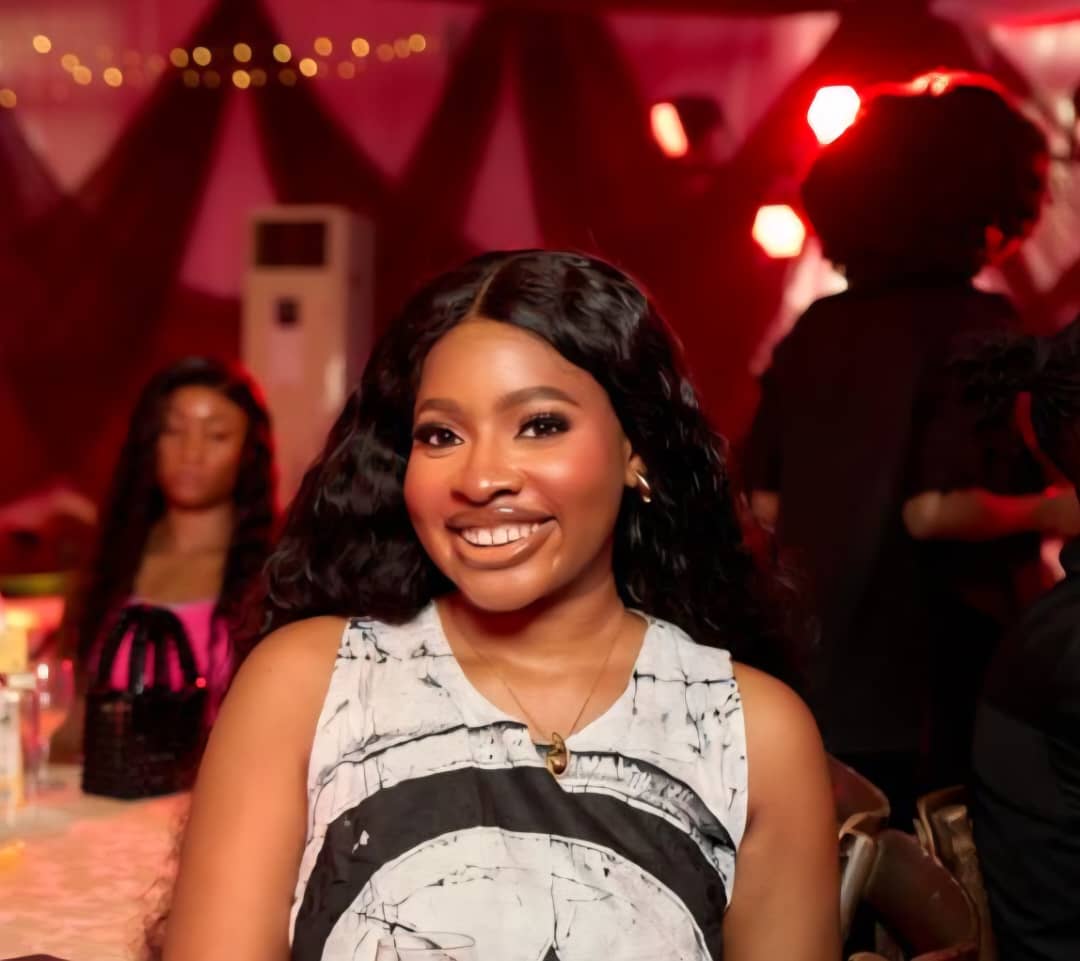
This week, we caught up with Benahili Ojeme, founder and CEO of Zakai, the Nigerian fashion brand celebrating African craftsmanship through contemporary androgynous fashion. What started as a love letter to batik has grown into a brand worn by women who refuse to shrink themselves, built by a founder who holds her ground even when she is told something cannot be done.
She is currently on a seven-month hiatus. She is unbothered. And she has a very good reason.
What does it take to build a fashion brand that tells Africa’s story without compromise?
Read as Benahili shares her thoughts on craft, culture, and the art of building something worth the wait:
From a love letter Benahili Ojeme to batik to a full fashion brand
1. What made you start Zakai, and was the vision always rooted in African craftsmanship and androgynous fashion, or did it evolve over time?
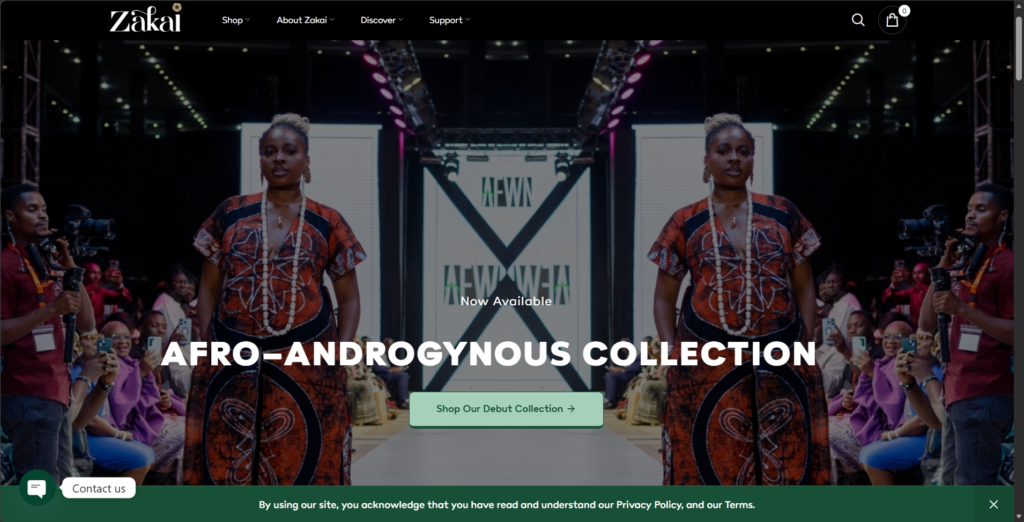
Honestly? A love letter to batik that got out of hand. It started as an appreciation for the craft and evolved into a whole brand once I realised nobody was going to build the thing I wanted to wear except me.
2. How do you explain androgynous fashion to a Nigerian hearing that word for the first time, and how do people generally respond to it?
I usually just say “clothes that do not ask permission from your gender.” Reactions range from “ah, I see” to a polite side-eye — but the side-eye usually comes back later asking where to buy it.
3. Were your family supportive when you chose fashion, and which African textile or fabric are you most passionate about?
Extremely supportive, actually. My mum wears her Zakai pieces to every important function like she is on brand ambassador duty, my brother’s team built out my brand guidelines, logo and website, and my sister was one of my first models. Basically the whole family got drafted. And fabric-wise, batik has my whole heart — hand-dyed, a little unpredictable, very much my personality in cloth form.
Working with artisans and running a fashion brand in Nigeria
4. You work with local artisans. What has that experience taught you that you could not have learned anywhere else?
To hold my ground. The number of times I have heard “it is not possible to achieve that” and just pushed anyway — and it always, always gets done. Artisans will test your vision. You have to insist on it.
5. What does a typical workday look like for you, and what is the hardest part of running a fashion brand in Nigeria that nobody talks about?
There is no typical day — that is the trap. One minute you are producing content, the next you are on the phone with tailors, ordering dyes, making payments, building spreadsheets, editing on Canva. I am not even a tailor and somehow I do everything but tailor. The job is just being willing to catch whatever gets thrown at you.
Staying true to African roots while building a global brand
6. How do you make sure Zakai stays true to its African roots as it grows, and what does cultural preservation mean to you in practical terms?
I do not put out anything I do not believe in — full stop. I am not chasing momentum just because everyone else is churning. Case in point: I am currently on a seven-month hiatus. I know Zakai will come back with something worth the wait, and that matters more to me than staying visible.
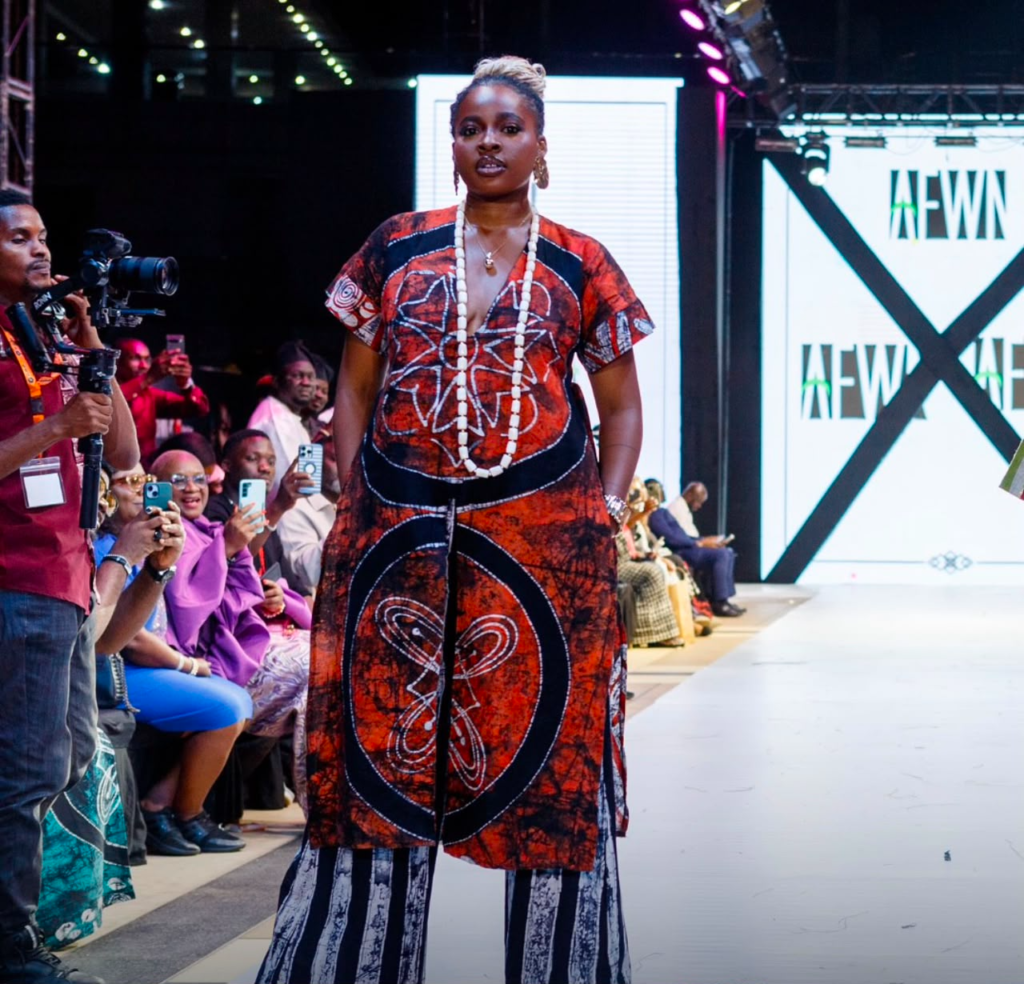
7. Is there a collection or piece you have made that felt the most personal, and what was the story behind it?
Honestly, no single piece stands above the rest. I have just made clothes I would wear myself, and it makes me genuinely happy that hundreds of other women want to wear them too. That is the whole personal part, really.
Education, pricing and what African fashion is really worth
8. You also run educational initiatives alongside the brand. What gap were you trying to fill, and what is one thing about African fashion history you wish more people knew?
How capital-intensive premium African fashion actually is — the fabric production, the tailoring, all of it. People are used to buying a ₦20,000 outfit off Instagram and assume a young brand pricing above that is being greedy, when honestly you are barely breaking even.
What Benahili Ojeme wants you to feel when you wear Zakai
9. What do you want someone to feel the first time they encounter a Zakai piece, whether they are wearing it or simply seeing it?
Like they did not shrink themselves to fit the outfit — the outfit expanded to fit them.
10. In five years, what does success look like for you personally, and for African fashion as a whole?
Success for me is knowing more people around the world know about, support, and invest in African crafts — not just wear them, actually back them.
Connect with Benahili Ojeme on X: @benahili_
Check out Zakai on IG and Tiktok: zakai.africa