

Femi Falana questions legality of substituted arrest; Adeyemi’s father detained in Ogbomoso amid ongoing forgery investigation
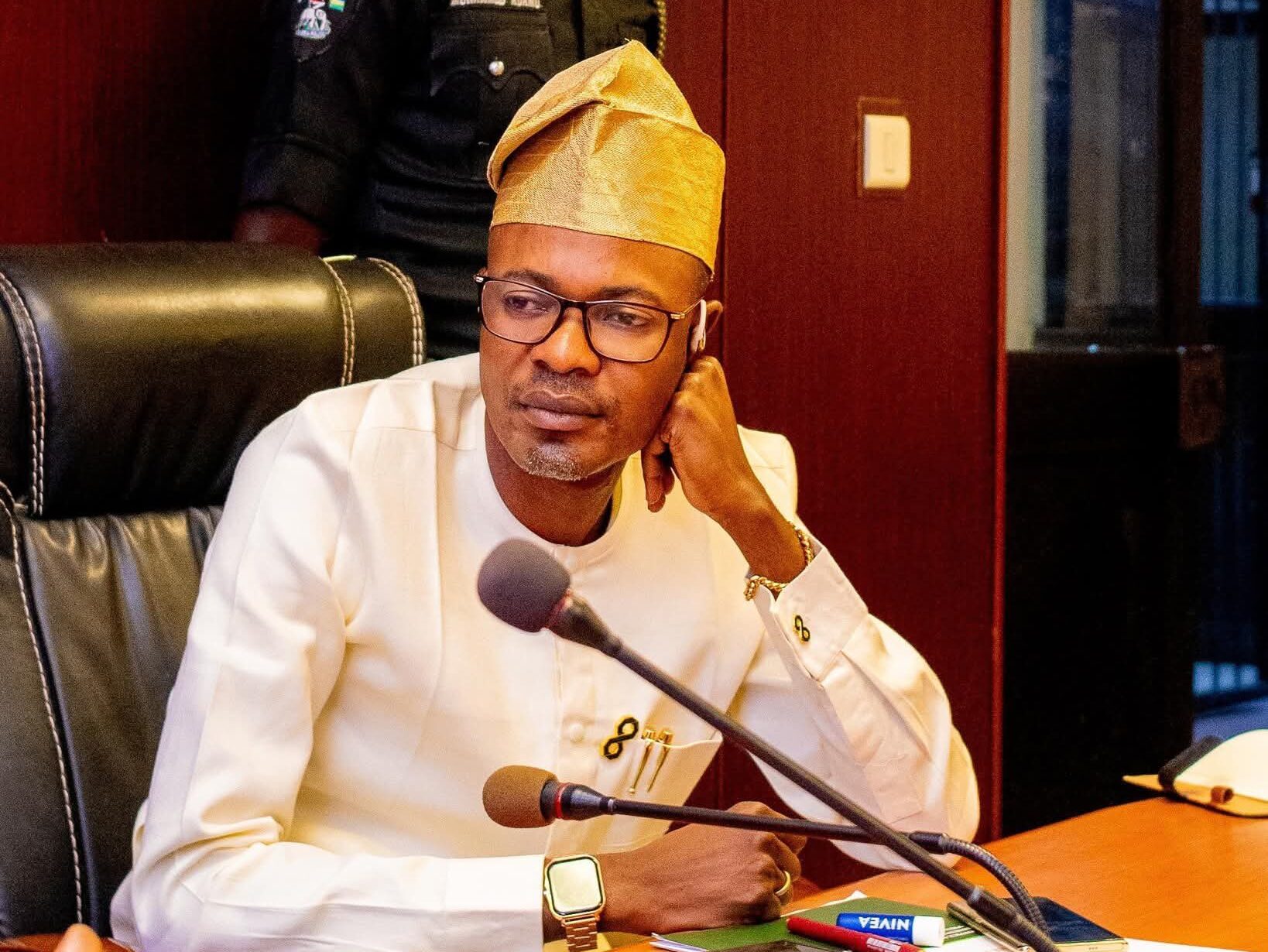
Police operatives have arrested the father of Prince Adeniyi Adeyemi, the central figure in Nigeria’s controversial fake agency scandal, during a raid on the family’s residence in Ogbomoso, Oyo State.
Human rights lawyer Femi Falana disclosed the arrest on Monday, describing it as legally questionable and questioning why authorities would detain a family member when the suspect has promised to appear in court.
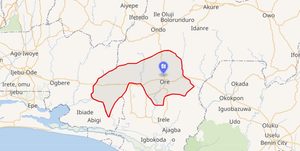
Police officers stormed the family residence at Plot 3, Adeniyi Dynasty, behind Technical College, Road Safety Area, Ogbomoso on Monday morning.
Adeyemi’s father was taken into custody alongside a family friend who was visiting the home at the time. Eyewitnesses reported that officers arrived in four vehicles before removing the two men from the residence, leaving Adeyemi’s elderly mother in shock.
“Police have now stormed the house of the parents of Prince Adeyemi Adeniyi. The father has been arrested. There is no legal basis for substituted arrests. The young man has promised to show up in court, so why arrest his father?” Falana stated.
One resident, who asked not to be named, told Punch that the officers arrived in four vehicles before taking Adeyemi’s father away.
“They came with four vehicles, and they started harassing them and eventually took the father away,” the resident said.
“They didn’t allow the neighbours to intervene before they took him away. At the moment, there is a man in blue clothes patrolling the area.”
The arrest comes as investigations into the alleged Presidential Fiscal and Infrastructure Projects Council intensify. Adeyemi faces eight counts of alleged forgery, impersonation and obtaining by false pretence related to claims that he forged documents purporting to establish the PFIPC as a legitimate government agency.
Legal implications of substituted arrest questioned
Falana’s criticism of the arrest reflects growing concern among legal professionals about the propriety of detaining relatives to pressure a suspect. According to Nigerian legal practice, substituted arrest occurs when police detain family members or associates to compel a suspect to surrender or assist investigations. Such arrests remain legally controversial unless the detained person is directly implicated in the alleged offence.
Nigerian Bar Association President Osigwe condemned the reported arrest, stating that Nigerian law does not permit the detention of relatives merely to compel a suspect’s surrender or investigation cooperation. However, some senior lawyers argued that if Adeyemi’s father is implicated in the alleged offence or is a person of interest in the investigation, police would be acting within the law.
The Oyo State Police Public Relations Officer, DSP Olayinka Ayanlade, declined to comment on specifics, stating that the case falls under the jurisdiction of the Force Criminal Investigation Department at Force Headquarters in Abuja. He referred inquiries to the FPRO for official information.
PFIPC scandal deepens amid budget allocation confusion
The arrest occurs within the broader PFIPC controversy, which has implicated multiple government institutions and raised questions about oversight mechanisms. The controversial council was allocated N1.3 billion in Nigeria’s 2026 budget despite the presidency repeatedly describing it as a fictitious agency that never existed under President Bola Tinubu’s administration.
The Office of the Accountant-General of the Federation clarified that the PFIPC never completed the statutory process required to operate a Central Bank account. The office confirmed that despite Adeyemi’s attempts, no functional government account was established. No public funds have been released to the council, contradicting earlier presidential claims about fraudulent account opening.
Budget allocation for the council comprised N802,978,783 for personnel costs, N200,000,001 for overhead expenditure and N300,000,000 for capital projects. Questions persist about how a non-existent agency received such substantial budgetary provision without scrutiny from the National Assembly.
Falana warns against interference with ongoing trial
Falana has consistently argued that the PFIPC controversy should be resolved through due process and judicial determination. He maintains that only courts possess constitutional authority to determine criminal liability, warning against actions that create impressions of intimidation or interference whilst the matter remains before the courts.
The case is currently before a Federal High Court in Abuja, with the next hearing scheduled for 27 July 2026. Falana has urged all actors to respect due process and allow the judicial system to determine guilt or innocence.