

Both nations announce halt to military operations after worst escalation in two months, but regional tensions remain high
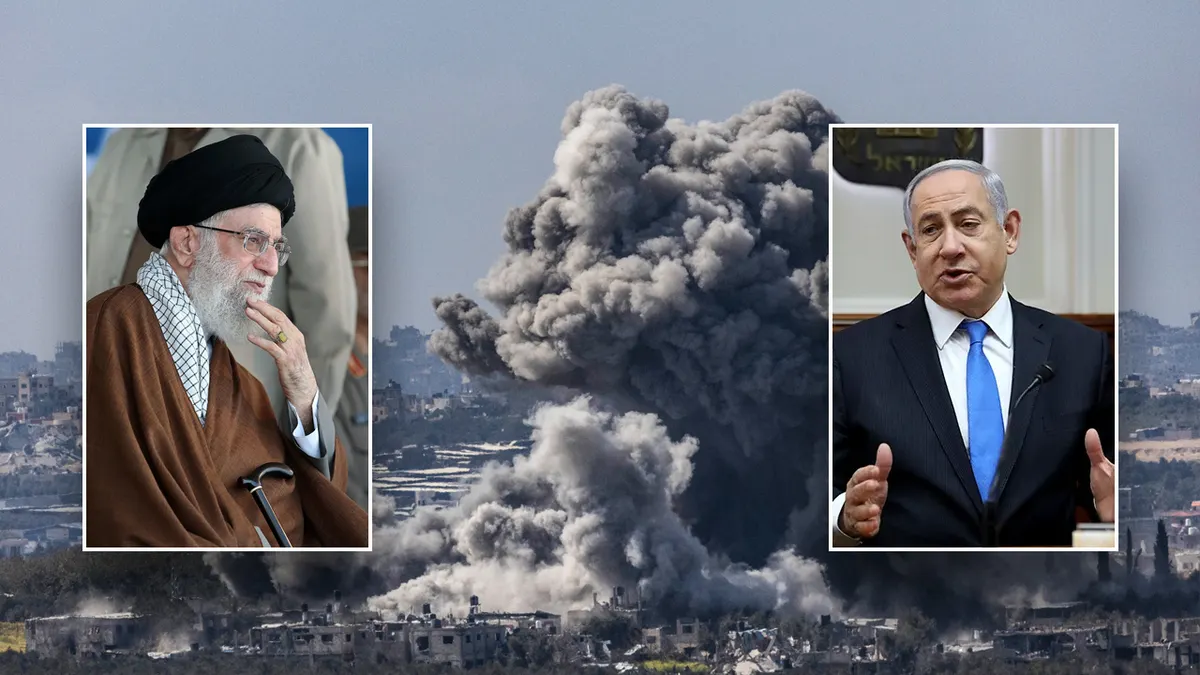
Israel and Iran have announced a suspension of military strikes against each other following urgent pressure from United States President Donald Trump, marking a critical pause in hostilities that threatened to unravel a ceasefire already in place since April 2026.
The ceasefire came less than 24 hours after both nations exchanged fire overnight. The suspension was announced on Monday, 8 June 2026, after Trump issued direct demands on social media for both sides to cease military operations immediately.
Israeli Prime Minister Benjamin Netanyahu announced the suspension of strikes in a statement confirming that Israel has halted attacks on Iran.
“At the moment, we are holding our fire, because after we struck the terror regime in Tehran, it ceased attacking us,” Netanyahu stated, adding that Israel would respond with “overwhelming force” if Iran resumed attacks.
Iran’s emergency military command, Khatam al-Anbiya, also confirmed the halt to operations but attached a significant condition to the cessation.
“The cessation of armed forces operations is announced,” the military command stated in a statement carried by Iranian state media. “However, it is emphasised that if the aggression and acts of malice continue, including in southern Lebanon, much more severe and crushing measures than before will be forthcoming.”
Ceasefire terms and regional conditions
The suspension represents a temporary pause rather than a permanent ceasefire agreement. Major General Ali Abdollahi, who leads Iran’s Khatam al-Anbiya joint military command base, made clear that Iran’s continued restraint depends entirely on Israeli military operations ceasing across the region, particularly in southern Lebanon where the Israeli Defence Forces (IDF) continue operations against the Iran-backed Hezbollah militia.
Hezbollah, the Lebanese-based militant group, has refused to accept the terms of the Israel-Lebanon ceasefire agreement signed in April, creating a complex situation where Israel and Lebanon have agreed to a truce, but Hezbollah remains active. Iran views Israel’s continued operations against Hezbollah in Lebanon as a violation of the broader regional ceasefire and has made clear that such operations could trigger Iranian retaliation.
The Lebanese government, which does not control Hezbollah, has been powerless to enforce the ceasefire terms against the militant organisation, leaving Israel with limited options for de-escalation in the country.
Ceasefire facilitated by Trump pressure
Trump’s intervention proved decisive in securing the halt to strikes. The American president issued multiple statements on his Truth Social platform demanding immediate cessation of hostilities.
“Israel and Iran must immediately stop ‘shooting’,” Trump declared. In subsequent posts, Trump stated: “Both sides, Israel and Iran, are looking to do an immediate CEASEFIRE! Final negotiations on ‘Peace’ are proceeding, subject to ignorance or stupidity getting in its way. The Blockade will remain in place, and in full force and effect, until a ‘Final Deal’ is reached.”
Israeli officials confirmed that Netanyahu spoke with Trump before announcing Israel’s suspension of strikes. According to a US official, Trump convinced Netanyahu to hold off on a significant planned attack against Tehran, with Trump warning Israel that further escalation could jeopardise US support.
The Trump administration has signalled that a broader peace agreement between Israel and Iran is being negotiated, with Trump stating that “final negotiations on ‘Peace’ are proceeding.” However, the success of these negotiations depends heavily on both sides maintaining restraint and Iran’s condition that Israel cease operations in Lebanon.
Ceasefire fragility and future risks
The fragility of the current suspension became apparent immediately. Less than one hour after Iran announced its halt to military operations on Monday, Israel struck targets in southern Lebanon, creating questions about whether the ceasefire terms would hold.
Israeli officials stressed that whilst they have halted strikes on Iran itself, military operations against Hezbollah in southern Lebanon would continue. This distinction has created a potential flashpoint, as Iran has explicitly stated that continued Israeli operations in Lebanon would trigger renewed Iranian retaliation.
Iran’s airspace returned to “normal conditions” and international flight operations were expected to resume, according to Iran’s Civil Aviation Organisation. However, military officials have maintained high alert status, and Major General Ali Abdollahi warned residents of northern Israel and military settlements that they should be prepared for potential Iranian response if Israel attacks Beirut and southern Lebanon.