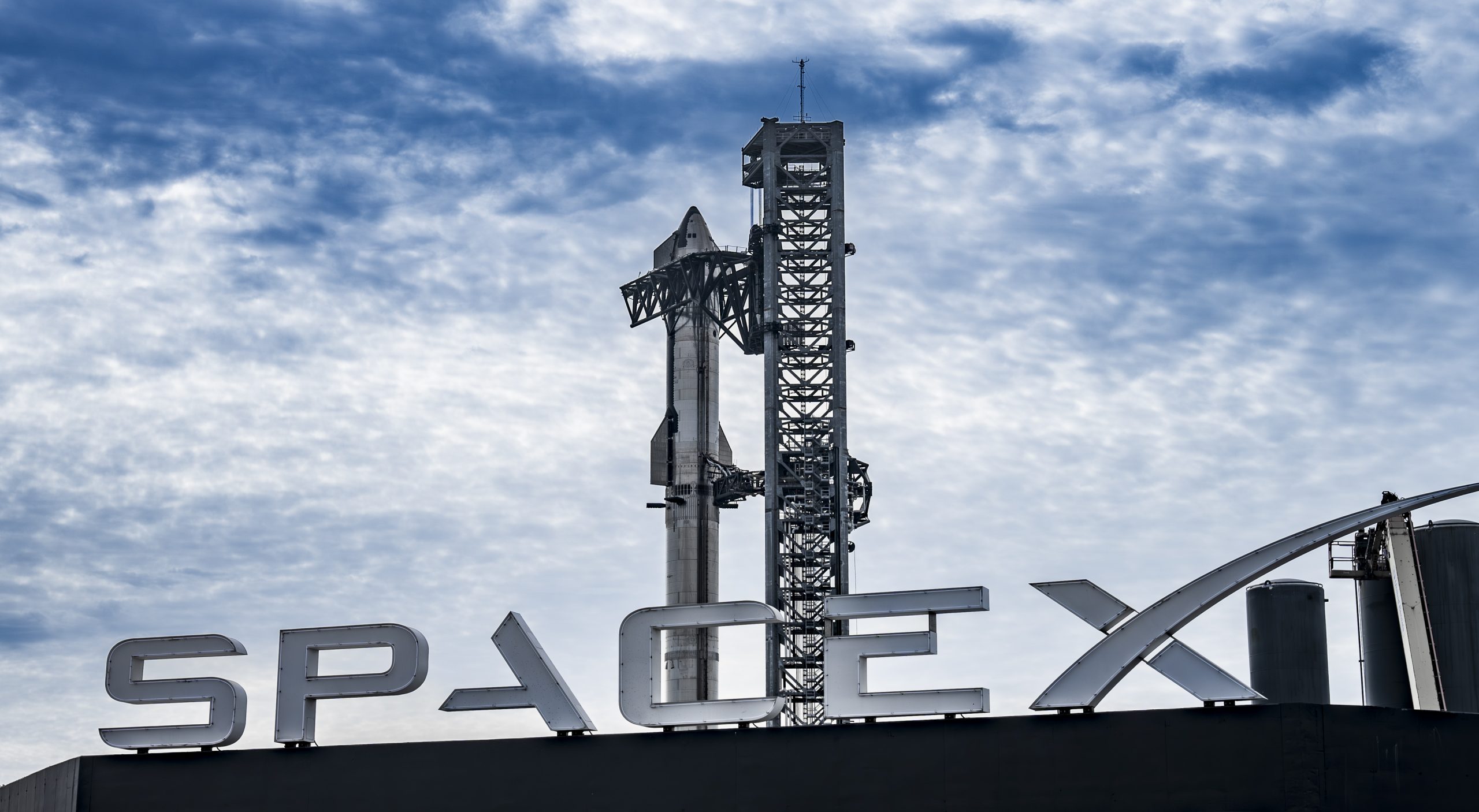


$75 billion IPO: Aerospace manufacturer surpasses Saudi Aramco record in largest initial public offering ever completed; shares surge 26% on first trading day
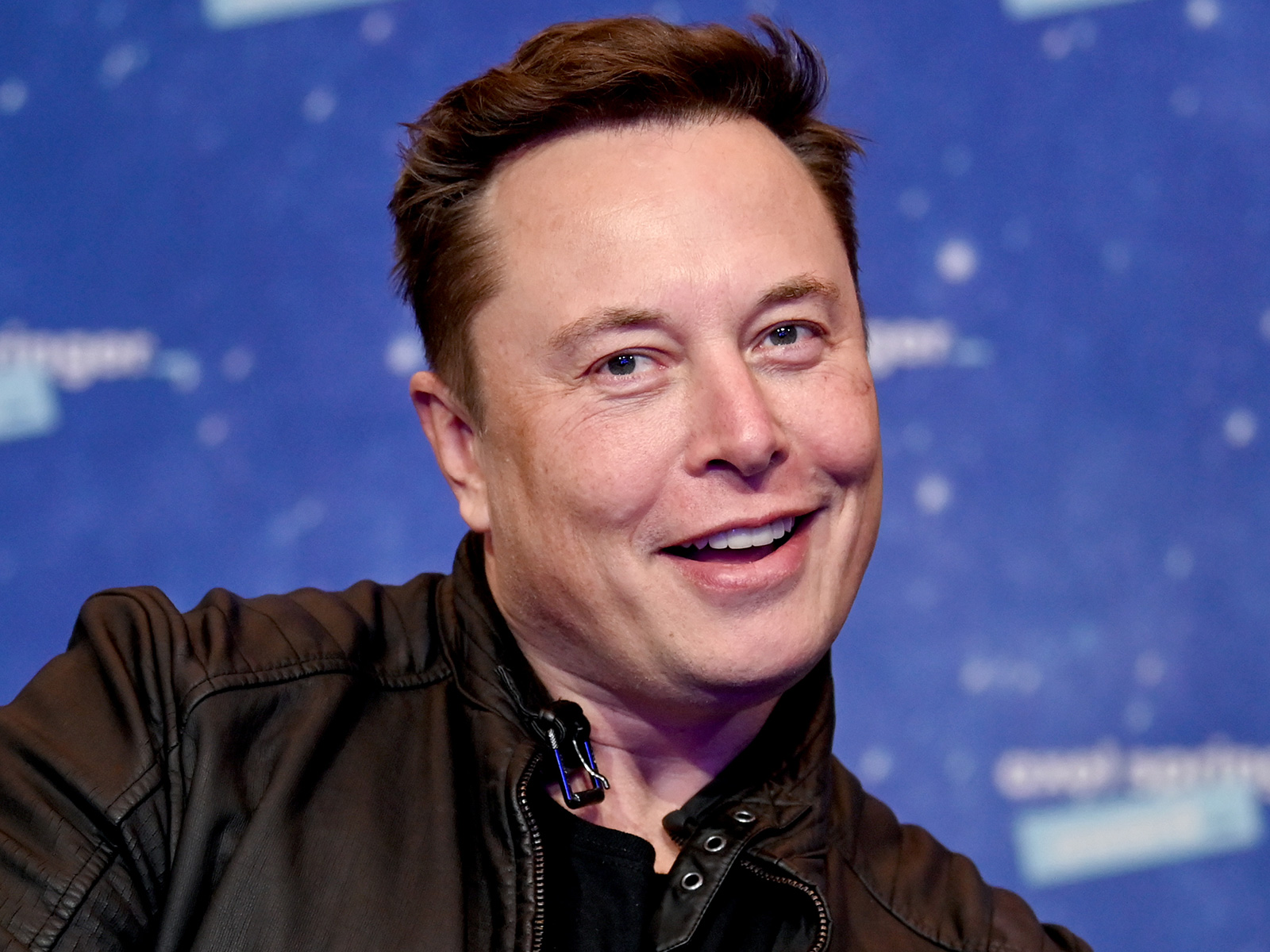
Elon Musk has become the world’s first person to achieve a net worth exceeding $1 trillion following the highly successful initial public offering of SpaceX, his aerospace manufacturing company.
The historic milestone was reached on Friday, 12 June 2026, after SpaceX’s shares commenced trading on the Nasdaq, marking a watershed moment in both corporate finance and wealth creation history.
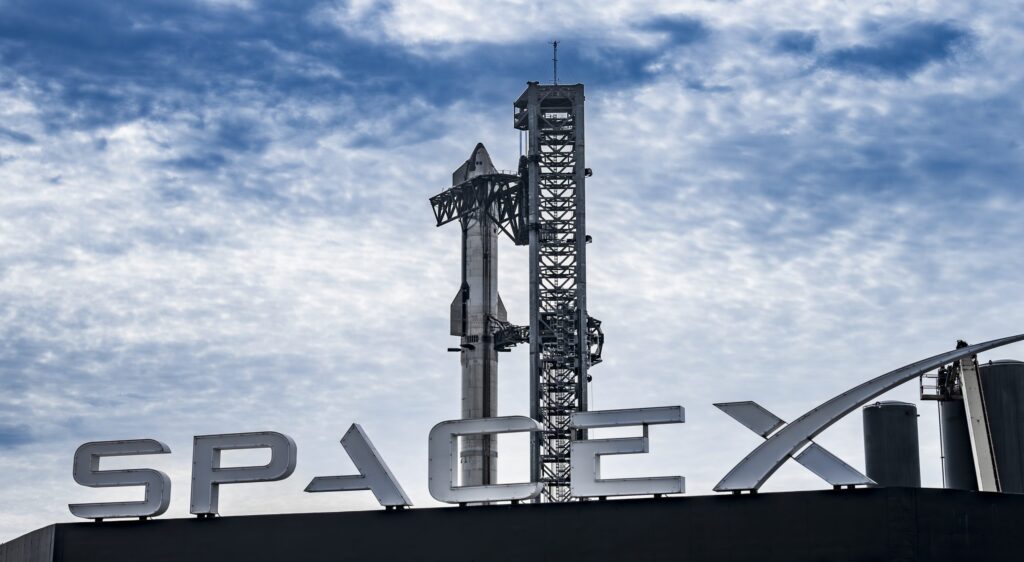
SpaceX’s IPO, priced at $135 per share on Thursday, 11 June, raised a record-breaking $75 billion through the sale of 555.6 million shares. The offering surpasses the previous record held by Saudi Aramco, the state-run oil giant, which raised $25.6 billion during its December 2019 IPO on Saudi Arabia’s exchange. This achievement solidifies SpaceX as the largest initial public offering ever completed.
According to Bloomberg, Musk’s net worth climbed to $1 trillion on Friday from $707 billion on Wednesday, propelled by his substantial ownership stake in SpaceX and the company’s first-day market performance. The milestone places Musk in unprecedented economic territory, as no individual has previously accumulated such extraordinary wealth in recorded history.
“SpaceX’s first day on the stock market transformed the startup into one of the world’s most-valuable public companies, handed buyers of the IPO a 19 per cent return and turned its founder Elon Musk into the world’s first trillionaire,” Bloomberg reported.
IPO performance and market reception
SpaceX’s shares debuted on the Nasdaq at $150 per share on Friday, immediately surpassing the $135 IPO price. During its first day of trading, the stock reached heights of $176, demonstrating robust investor appetite for the aerospace manufacturer. The shares subsequently settled at $172, representing a 26 per cent gain from the IPO price and delivering substantial returns to early investors.
The IPO valuation places SpaceX at $1.77 trillion, making it the seventh most valuable publicly traded company in the United States, ahead of Tesla, Musk’s electric vehicle manufacturer. The company’s current market valuation has climbed to $2.22 trillion as trading has progressed.
Adam Sarhan, Chief Executive of 50 Park Investments in New York, described the IPO pricing as appropriately calibrated. “The pricing came in just about right, not too hot, not too cold. Clearly retail investors are buying and, at this stage, they are a big component of this. We need to see follow-through after the first day of trading,” Sarhan told Reuters.
Sarhan stressed that the true test for SpaceX would be how the market digests the offering over subsequent weeks and months, rather than the performance of a single trading day.
IPO significance and market impact
The SpaceX IPO represents the first in a trio of mega-IPOs from artificial intelligence and technology companies expected in 2026. The offering provided relief not only to SpaceX investors and Musk but also to broader market participants who have driven equity prices higher throughout 2026 on optimism regarding growth potential in artificial intelligence.
Wall Street analysts initiated coverage of SpaceX following the IPO. Oppenheimer initiated an outperform rating with a 12 to 18 month price target of $190, implying a potential 40 per cent gain from the IPO price. Analyst Timothy Horan cited the company’s diversified portfolio as a key attraction for investors.
According to SpaceX’s June 2026 S-1 filing with the Securities and Exchange Commission, Musk owns approximately 4.76 billion shares in the company, alongside 350,000 exercisable options. The founder maintains control of over 82 per cent of SpaceX’s voting power, enabling him to retain virtually complete control over the company’s board and strategic direction.
Musk’s wealth accumulation and market implications
Musk’s stake in SpaceX is currently valued at approximately $866.5 billion, complementing his Tesla holdings estimated at approximately $320 billion (excluding certain options). The convergence of both holdings has elevated him to trillionaire status, representing an extraordinary concentration of wealth in technology and aerospace sectors.
The 54-year-old entrepreneur’s achievement of trillionaire status comes 16 years after he took Tesla public in June 2010. His journey to unprecedented wealth reflects the explosive growth of technology-driven enterprises and the outsized returns available to founders who maintain controlling interests in their companies during periods of market expansion.