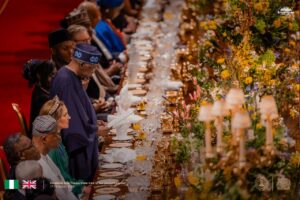


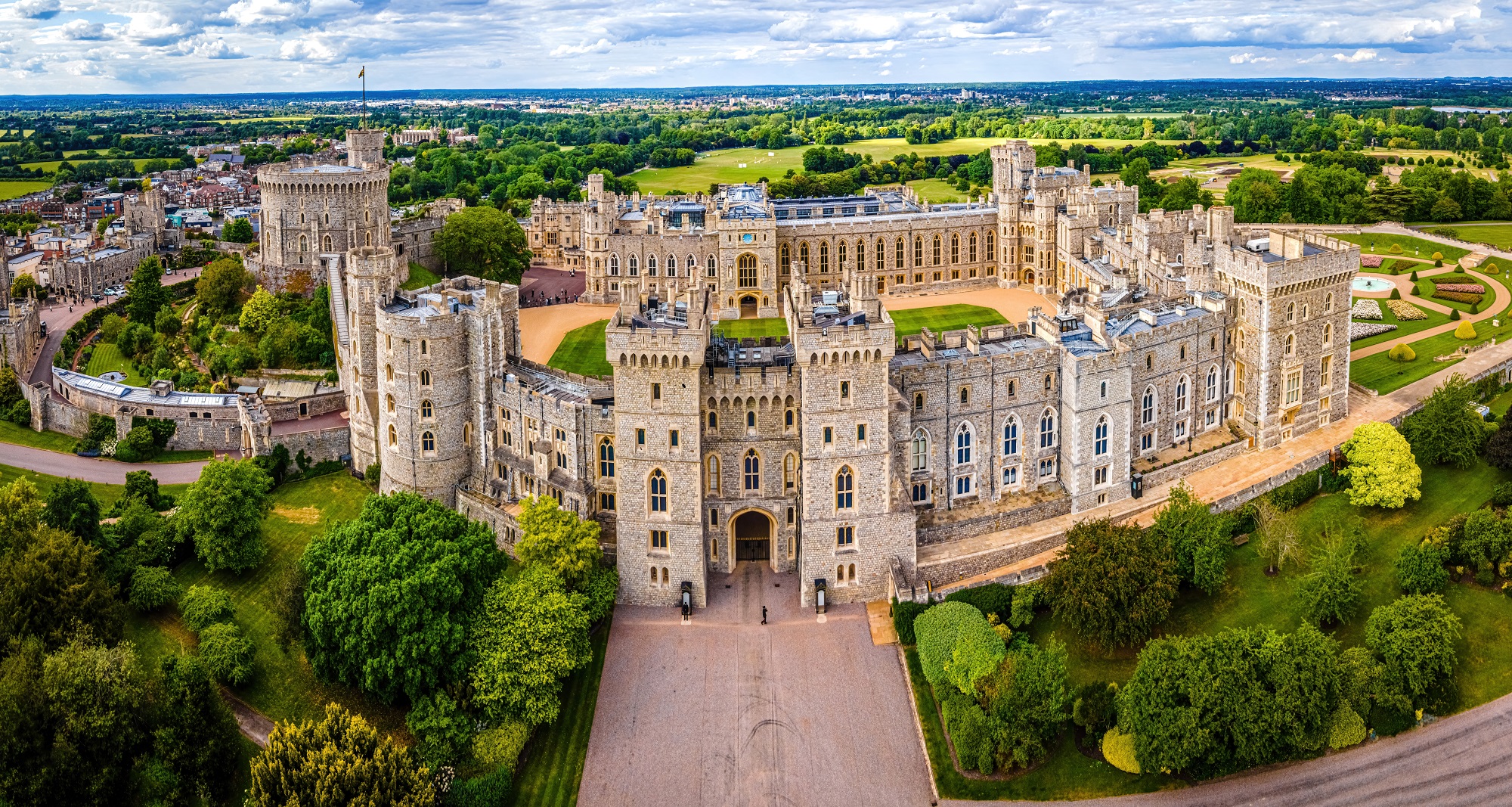
Windsor Castle is not a building you can summarise quickly. It demands proper attention and rewards those who take the time to truly look at it. As President Bola Ahmed Tinubu and First Lady Senator Oluremi Tinubu prepare to be hosted within its walls, understanding exactly what kind of place they are walking into becomes worthwhile for every Nigerian following this moment.
The Outside
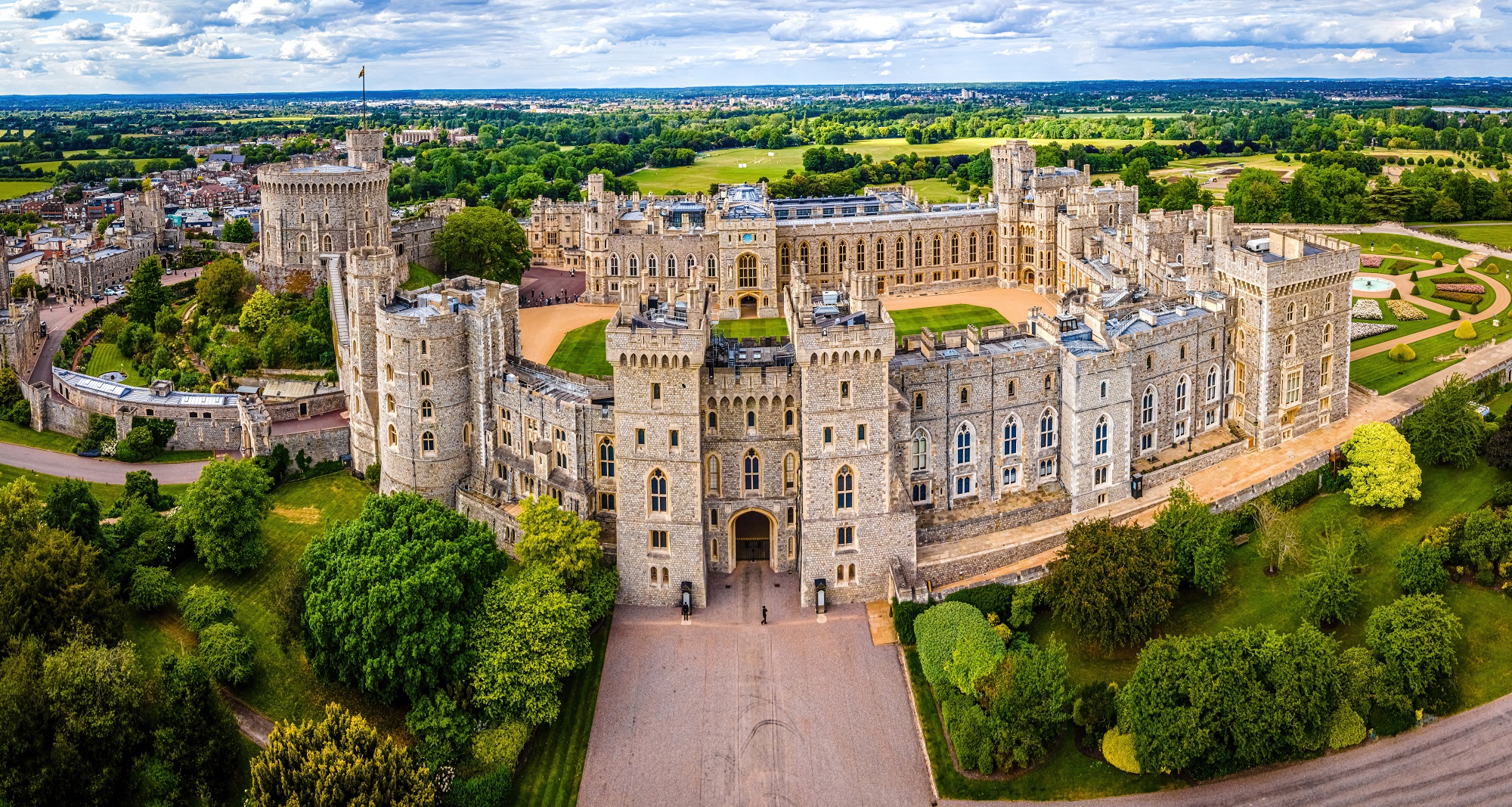
Windsor Castle sits on a chalk hill in Berkshire, England, overlooking the town of Windsor below it. The castle covers approximately thirteen acres of land and has stood in various forms since William the Conqueror first established a fortification there in the eleventh century. Forty monarchs have lived within its walls across nearly a thousand years of British history.
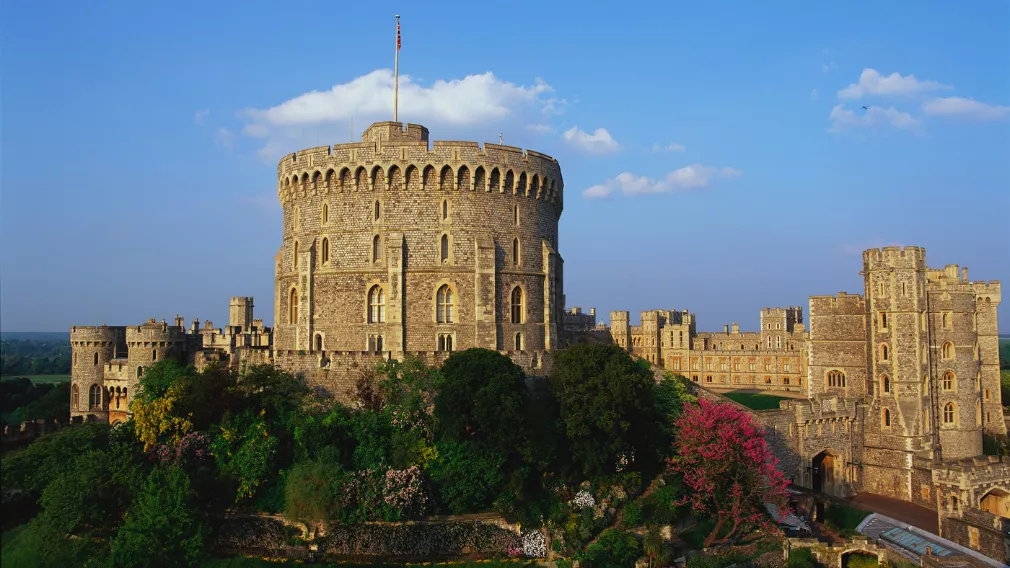
The Round Tower sits at the very centre of the castle, rising above everything around it. Originally built as a simple motte and bailey structure, it was later rebuilt in stone by Henry II and today houses the Royal Archives, which holds millions of documents recording the correspondence and records of the British monarchy across centuries.
The Long Walk stretches for nearly three miles in a perfectly straight line through Windsor Great Park, lined on both sides by trees and ending at the castle itself. It is one of the most recognised approaches to any royal residence in the world. The George IV Gateway, the Norman Gate and the Henry VIII Gate each mark different points of entry into the castle, each one bearing the architectural identity of the monarch who commissioned it.
The State Apartments
St George’s Hall is the centrepiece of the State Apartments inside the castle. It stretches fifty-five metres from end to end and is where the most significant state banquets are held. The ceiling carries the heraldic shields of Knights of the Garter going back centuries, and the walls display portraits of kings and queens painted across generations. The hall was badly damaged in the great fire of 1992 and was meticulously rebuilt over five years, reopening in 1997.
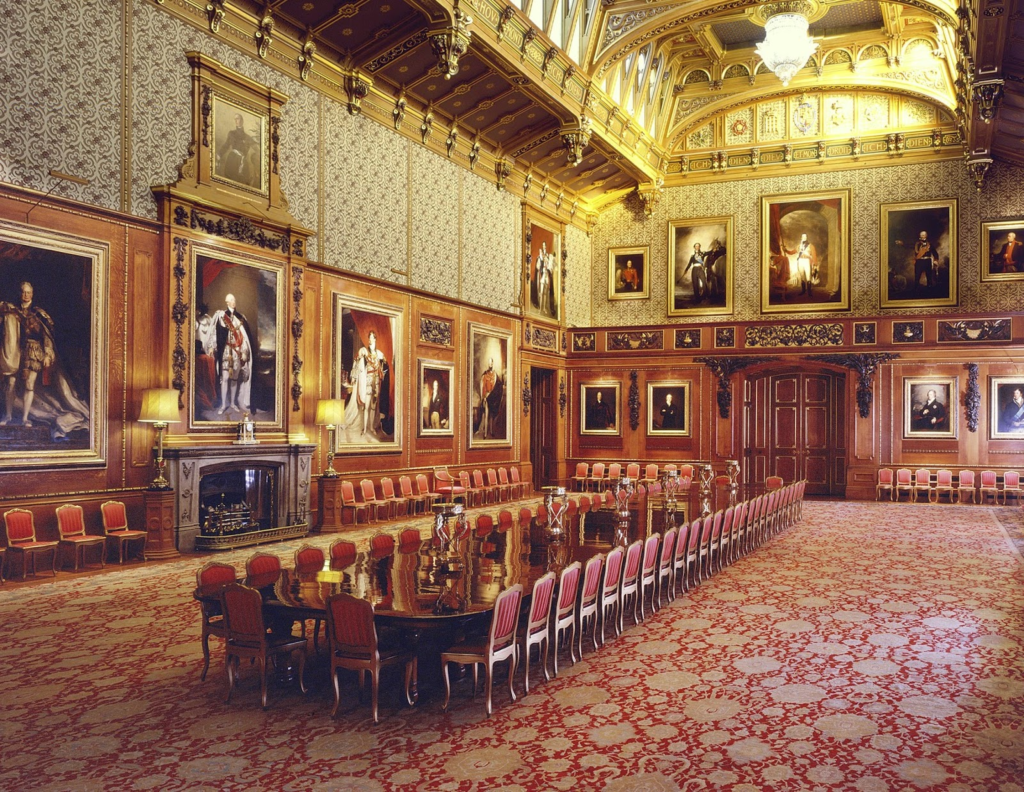
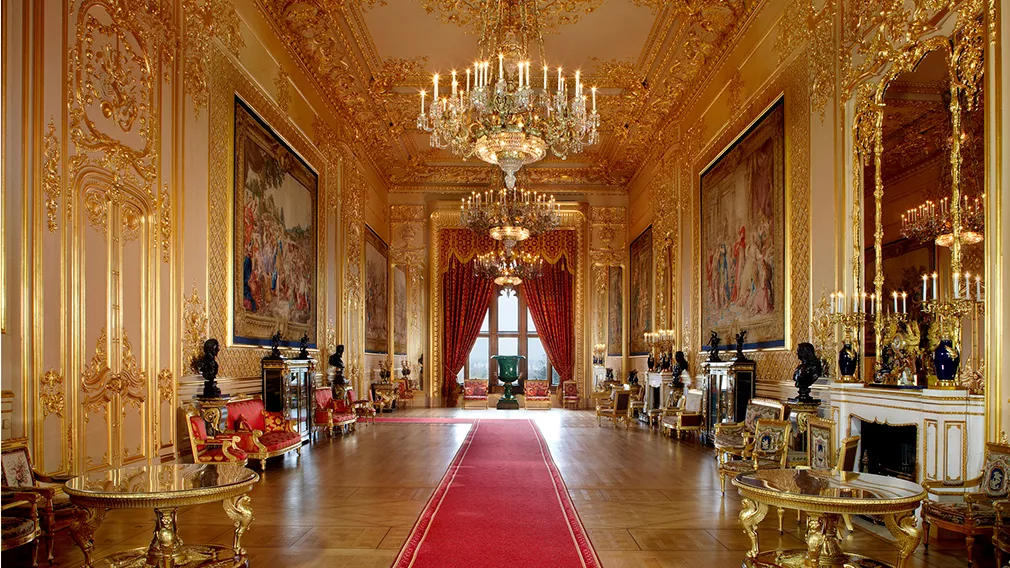
The Waterloo Chamber was created by King George IV to commemorate the defeat of Napoleon at Waterloo in 1815. It is hung with portraits of every major figure involved in that campaign, painted by Sir Thomas Lawrence. The Grand Reception Room features French rococo decoration with gold leaf and intricate plasterwork, also commissioned by George IV. The Garter Throne Room is where the sovereign formally receives newly appointed Knights of the Garter, an order of chivalry established in 1348 by King Edward III.
The King’s and Queen’s State Apartments are a series of rooms furnished with ceiling paintings, tapestries and furniture accumulated across multiple reigns.
St George’s Chapel
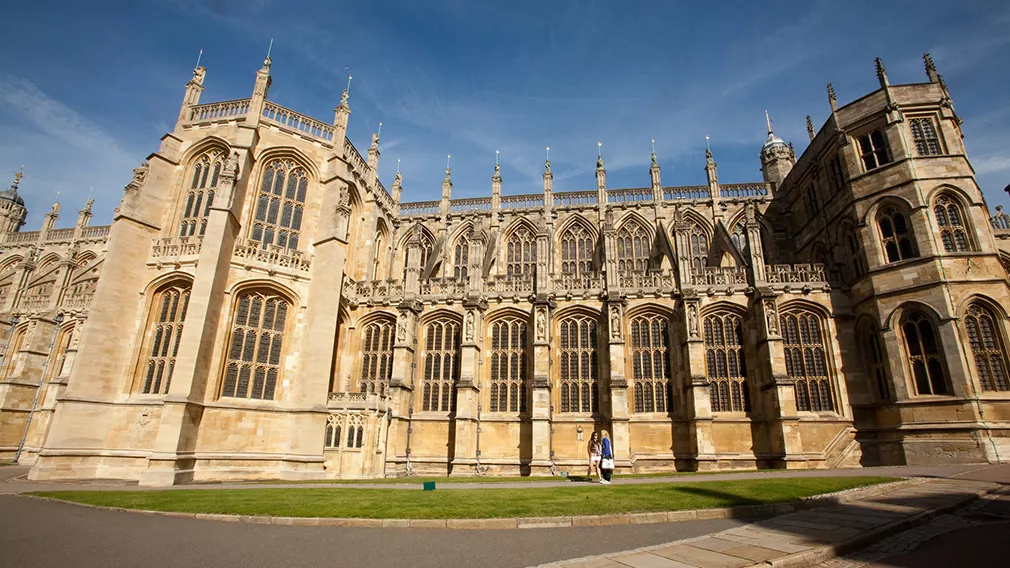
Built between 1475 and 1528, St George’s Chapel is one of the finest examples of Gothic architecture in England. Ten monarchs are buried here including Henry VIII, King Charles I and Prince Philip, Duke of Edinburgh. The chapel is a functioning place of worship with regular services and has also hosted royal weddings including that of Prince Harry and Meghan Markle in 2018. The fan vaulted ceiling is among the most celebrated examples of medieval craftsmanship in the country.
The Grounds
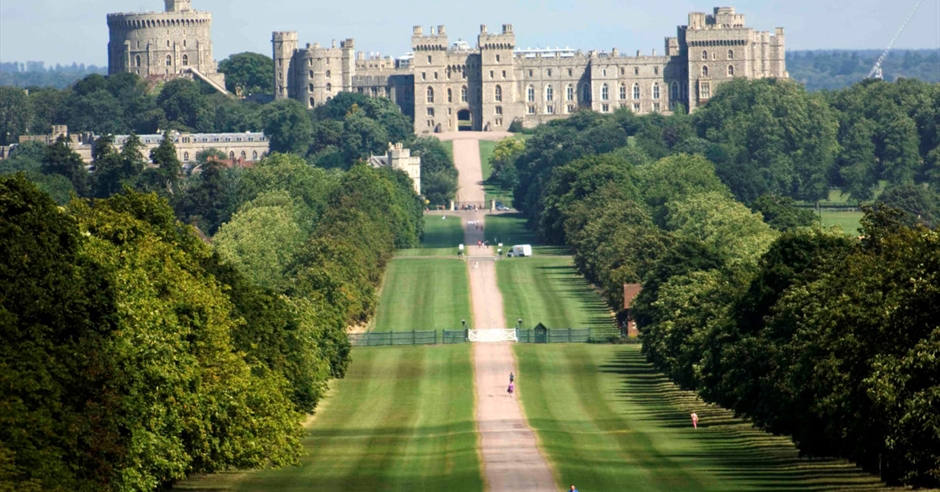
Windsor Great Park extends for nearly five thousand acres beyond the castle walls, containing forests, a lake called Virginia Water, a polo ground and extensive walking trails. The Savill Garden within the park is widely regarded as one of the finest ornamental gardens in England. Within the castle walls there exists a self contained community including residential accommodation, a post office and facilities for the more than four hundred people who live and work there in service of the royal residence.
Why Windsor, and What It Means for Nigeria
Windsor Castle is not where routine diplomatic business gets conducted. That happens elsewhere, in the formal offices and appointed halls reserved for state ceremony. Windsor is where the Royal Family chooses to receive guests they regard with a particular level of seriousness. It is a personal residence before it is a public institution, and that distinction matters in the language of international diplomacy.
For Nigeria, the significance of this reception goes beyond protocol. Nigeria has a large and deeply rooted diaspora community in the United Kingdom, trade ties that continue to evolve, and a growing presence in conversations about Africa’s future direction. Being received at Windsor places Nigerian leadership firmly within a category of world figures that the British Crown engages with at its most deliberate and considered level.
President Tinubu and First Lady Senator Oluremi Tinubu will walk through those gates, past the Round Tower, and into rooms that have held some of the most consequential figures in modern history.