

The funding package will support conservation projects, coastal businesses and climate adaptation across 22 developing countries as scientists warn that 96 per cent of assessed warm-water coral reef ecosystems are critically endangered.
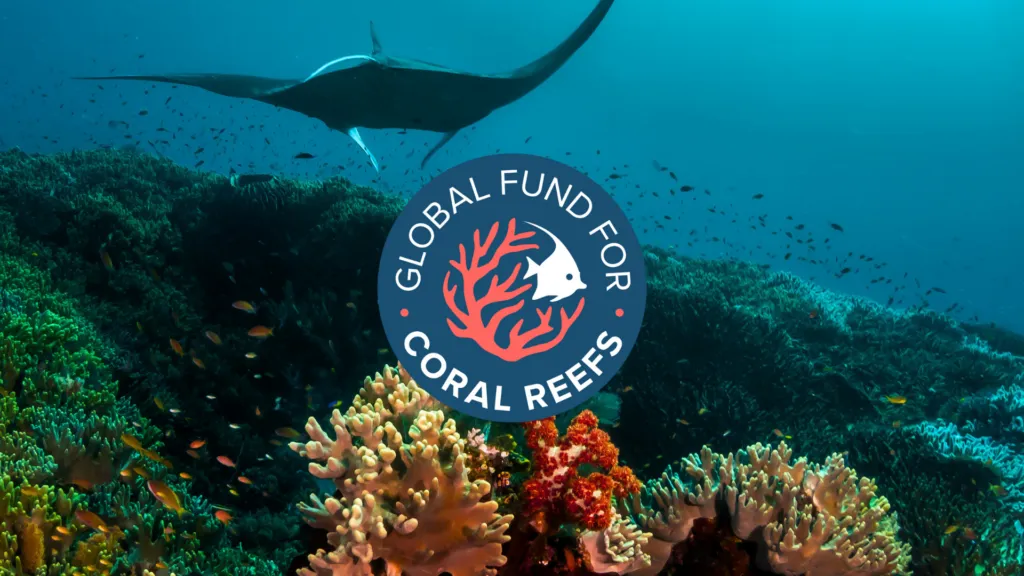
The Global Fund for Coral Reefs (GFCR), a United Nations-backed public-private coalition, has announced more than $30 million in new investments and donor contributions to strengthen coral reef protection and support coastal communities across 22 developing countries.
The announcement was made on Tuesday, November 17, at the ongoing United Nations Climate Change Conference (COP31) in Antalya, Türkiye.
The funding package combines more than $20 million in new and renewed commitments from government partners with over $10 million in newly approved investments for organisations working on coral conservation.
It will also support country-level financing mechanisms designed to attract private investment into businesses and economic activities that protect coral reefs.
The coalition announced Ireland as its newest state partner and executive board member, while the Outrigger Impact Fund joined as a new investment partner.
Why coral reef protection is urgent
Coral reefs support marine biodiversity, fisheries, tourism and coastal livelihoods. They also provide natural protection against storms, coastal erosion and other environmental pressures.
However, rising ocean temperatures, pollution, overfishing and coastal development are threatening their survival.
A global assessment released by the International Union for Conservation of Nature (IUCN) in October found that 122 of the 127 assessed warm, shallow-water coral reef ecosystems, representing 96 per cent, are classified as Critically Endangered.
The assessment warned that nearly all assessed ecosystems face an extremely high risk of collapse by 2075, largely because of projected ocean warming and increasing marine heatwaves.
Inger Andersen, Executive Director of the United Nations Environment Programme (UNEP), said urgent investment was necessary to protect the ecosystems.
“We are racing against time to protect coral reefs from climate change, pollution and other pressures,” she said.
She added that reefs could recover when resources were invested in their protection and restoration, with benefits extending to biodiversity, fisheries, livelihoods and coastal protection.
Alexander De Croo, Administrator of the United Nations Development Programme (UNDP), said losing coral reefs would have both ecological and economic consequences.
He explained that the GFCR uses catalytic finance to reduce lending risks, making it easier for banks and investors to finance businesses that support reef conservation.
More than $10m approved for conservation projects
As part of the announcement, the GFCR said its executive board had approved more than $10 million in new investments for projects across several regions with extensive coral reefs, mangroves and seagrass ecosystems.
In Mexico, Belize, Guatemala and Honduras, the Mesoamerican Reef Fund will expand reef-positive financing across 18 priority sites.
The programme will support wastewater treatment, sargassum management, guaranteed loans and parametric insurance for small-scale fishers. The investments are expected to mobilise an additional $12 million in blended finance.
In Indonesia, funding will expand the Biru Fund, which provides financing for businesses involved in sustainable shrimp and seaweed production, fisheries and waste management.
In the Philippines, Blue Alliance will strengthen the management of marine protected areas covering nearly one million hectares across Mindoro and Northeast Palawan. The initiative is expected to benefit more than 1.1 million people in surrounding communities.
In Tanzania’s Zanzibar region, another programme will support conservation in the Pemba Channel and the establishment of an additional marine conservation area, with financing mechanisms designed to benefit about 21,000 coastal residents.
New financing partnerships across the Pacific
The coalition also announced progress in expanding access to local financing for reef-friendly businesses across Pacific island countries.
In Fiji, the Blue Lending Facility, established with the Fiji Development Bank, UNDP and the United Nations Capital Development Fund, is now operational.
In the Solomon Islands, the Development Bank of Solomon Islands, WWF and UNCDF launched a Blue Economy Financing Facility offering concessional loans and technical support.
In Papua New Guinea, a reef-positive lending programme operated through Women’s Micro Bank has provided concessional loans to more than 50 businesses.
The GFCR also announced a partnership with the Outrigger Impact Fund and Catalytic Finance Foundation to expand investment in reef-positive businesses and climate adaptation across Pacific Small Island Developing States.
The partnership includes a $2 million first-loss investment by the GFCR, helping mobilise capital towards the fund’s $100 million target. At least 25 per cent of the fund’s capital is expected to support reef-positive businesses across Pacific island countries.
GFCR Director Pierre Bardoux said financial systems often failed to account for the economic costs of destroying nature, leaving coastal communities and future generations to bear the consequences.
“At 2°C of warming, fewer than 1% of today’s reefs are projected to remain healthy,” he warned.
He called on governments, philanthropies, financial institutions and investors to increase funding for coral reef protection and support coastal economies that contribute to ecosystem recovery.
The announcement adds to growing efforts to mobilise climate finance for vulnerable ecosystems, although the scale of the threat means that sustained investment and faster reductions in global greenhouse gas emissions will remain essential.