

This opinion piece examines the Federal Government’s 30-day petrol price intervention through NNPC Retail and the proposed ₦1,350-per-litre landing-cost ceiling. It considers who benefits from the temporary discount, how the arrangement will be funded, and whether lower fuel costs will translate into cheaper transport and food. The piece also examines the questions surrounding the intervention’s sustainability and timing ahead of the 2027 elections, arguing that its success should be measured by tangible savings, transparency and a credible plan beyond the 30 days.
Thirty days is a short time in the life of an economy, but it can make a difference to a household struggling to pay for transport, food and other essentials. That is the promise behind the Federal Government’s latest petrol price intervention. The question is whether the relief will reach Nigerians who need it most, and what happens when the month is over.
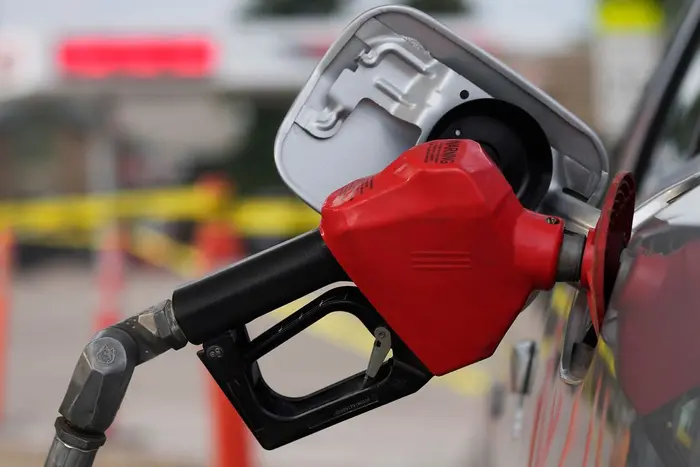
On October 8, 2026, the government announced a 30-day intervention through the Nigerian National Petroleum Company Limited (NNPC), which agreed to forgo its retail profit margin and sell petrol at cost. Finance Minister and Coordinating Minister of the Economy Taiwo Oyedele said the measure was intended to cushion the impact of rising energy costs, with public transport operators among the priority beneficiaries.
The government has also proposed a ceiling of ₦1,350 per litre on petrol’s ex-gantry or landing cost. Under the proposed arrangement, refiners and importers would absorb costs above the ceiling and recover the shortfall when market conditions improve. The government says this would moderate price volatility without bringing back the petrol subsidy abolished in May 2023.
These are two distinct measures, and the difference matters. One involves NNPC Retail temporarily giving up its profit margin; the other proposes a mechanism for managing costs incurred by refiners and importers. Neither should automatically be interpreted as a guarantee that every filling station will sell petrol for ₦1,350 per litre.
The intervention could offer some relief. But a lower price announced by the government is only the beginning. What matters is what consumers actually pay, how much they save and whether those savings make a difference beyond the filling station.
A Discount at the Pump Is Only the Beginning
For transport operators, petrol is a major operating expense. A reduction in the amount spent on fuel could leave drivers with more money after each day’s work. It could also create room for lower fares, particularly for commuters who have had to adjust their budgets to cope with rising transport costs.
Small businesses may benefit too. Traders who transport goods between markets, farmers moving produce to urban centres and businesses that rely on petrol-powered generators could all gain if their fuel expenses fall. In an economy where rising costs have squeezed both businesses and customers, even temporary savings are worth taking seriously.
But there is no guarantee that lower petrol prices will translate into cheaper transport fares or food. A driver may use the savings to cover higher vehicle maintenance costs, while a trader may still face expensive storage, poor roads, insecurity or other distribution expenses. Fuel is an important part of the cost of moving goods, but it is not the only one.
That is why the government should measure the intervention by more than the volume of petrol sold at discounted rates. Are commuters paying less? Have transport operators reduced fares on routes where fuel costs have fallen? Are businesses spending less on deliveries and power generation? These are the kinds of results that would show whether the policy is making a meaningful difference.
Without such evidence, Nigerians may know that a discount exists without knowing whether it has improved their daily lives.
The Price Nigerians Actually Pay
The government has said the 30-day discount will be funded by NNPC Retail through the reduction or suspension of its profit margin, rather than through a direct payment from the Federal Government’s budget or the Federation Account. Oyedele explained the arrangement on October 9, distinguishing it from a conventional fuel subsidy funded by public revenue.
That explanation is important, but Nigerians should be able to examine the figures behind it. How much profit would NNPC Retail ordinarily make on each litre? How much is it giving up? How many stations are participating, and how much petrol is being sold under the arrangement?
These figures would help establish the scale of the intervention and make it possible to assess whether the promised relief matches the public expectations it has created. They would also clarify the commercial cost to NNPC Retail without confusing foregone profit with a direct government expenditure.
The proposed ₦1,350 landing-cost ceiling raises a separate set of questions. If refiners and importers are expected to absorb costs above that level and recover them later, Nigerians need to know how the arrangement will work. Who will calculate the deferred costs? What happens if global crude oil prices remain high or exchange-rate pressures persist? How will the government ensure that the mechanism does not create fresh uncertainty for suppliers or consumers?
These are practical questions, not arguments against intervention. A policy intended to moderate price increases needs clear rules, especially when businesses are being asked to accept costs now in anticipation of recovering them later.
There is also the question of private marketers. The discount announced through NNPC Retail does not, by itself, mean that every independent filling station must sell at the same price. Marketers have different supply arrangements, operating costs and margins, and the government must clarify the scope of any binding price rules.
For consumers, the difference is straightforward: an announcement of cheaper petrol is of limited value if the advertised price is unavailable at the stations they use. The government should publish the participating outlets, explain the applicable prices and provide a way for consumers to report discrepancies.
What Happens When the Month Ends?

The biggest weakness of a 30-day intervention is that it leaves the longer-term question unanswered. If international oil prices remain high when the discount expires, will NNPC Retail restore its usual margin? Will the government extend the arrangement, introduce another measure or allow prices to respond to market conditions?
The government’s explanation that the latest price pressures are linked to global oil market movements does not remove the need for an exit plan. Markets can improve, but they can also remain volatile for longer than expected. A temporary intervention should therefore come with clear information about its end date, its financial implications and the conditions under which it might be extended or replaced.
This matters because household expenses do not pause when a government initiative expires. Workers still have to commute, traders still have to move goods, and small businesses still have to pay for energy. A month of lower fuel costs may provide some breathing space, but it cannot resolve the wider affordability crisis on its own.
The Nigeria Labour Congress made that wider concern clear when it issued a two-week ultimatum to the Federal Government on October 8, demanding lower petrol prices and the renegotiation of the national minimum wage. The union’s position reflects a central problem facing many workers: earnings have struggled to keep pace with the cost of meeting basic needs.
The petrol discount may help, but it is not a substitute for a broader response to falling purchasing power. The government should explain how the intervention fits into its wider economic plans and what other measures, if any, are intended to address the pressures facing households.
When the 30 days are over, the public should not be left to piece together the outcome from pump prices and political statements. NNPC and the government should publish an assessment showing the savings delivered, the people reached and the effect on fuel prices and related costs. If the intervention has not achieved its intended objectives, that should be acknowledged too.
The 2027 Election Question
The timing of the intervention is likely to attract political scrutiny. Nigeria is heading towards the 2027 general elections, and the cost of living remains an important concern for voters. Any government decision that directly affects the price of an essential commodity will inevitably become part of the political conversation.
But the timing alone does not prove that the discount is an electoral strategy. The government has presented it as a response to rising energy costs, and that explanation should be assessed against the policy’s actual design and results. It would be premature to declare the intervention politically motivated without evidence establishing that connection.
At the same time, a policy can provide genuine economic relief and still carry political benefits for the administration introducing it. These possibilities are not mutually exclusive. The important question is whether the measure is transparent, reaches its intended beneficiaries and delivers results that can be independently assessed.
That is where scrutiny should focus. The government should be prepared to explain why it chose this particular intervention, how its costs are being managed and what will happen when it ends. Those answers would give Nigerians a better basis for judging the policy than speculation about the intentions behind it.
Nigerians Need More Than 30 Days of Relief
There is a case for temporary relief when a sudden increase in fuel costs places additional pressure on households and businesses. NNPC Retail’s decision to forgo its margin could help some consumers, and the proposed landing-cost ceiling may offer another way to manage price volatility if its terms are workable and transparent.
But the government should not mistake a temporary intervention for a lasting solution. The success of the discount will depend on what consumers actually save, whether those savings reach transport users and businesses, and whether the arrangements can be implemented without creating new uncertainties.
Nigeria also needs a longer-term approach to reducing the economy’s exposure to fuel-price shocks. More efficient transport systems, reliable energy supply, better food distribution and policies that support household purchasing power would help reduce the damage that sudden increases in fuel costs cause. None of these challenges can be resolved in 30 days, but they cannot be ignored simply because a temporary discount has been announced.
The government should publish the details, track the results and explain what follows before the intervention expires. Nigerians should not have to wait until the last day to discover whether the relief will end, continue or give way to another arrangement.
Ultimately, the measure should be judged neither by the announcement nor by assumptions about the 2027 elections. It should be judged by the savings it delivers and the clarity with which the government accounts for its costs and consequences. Thirty days of cheaper petrol may provide some breathing room. What Nigerians need is a credible plan for the day after.