

Tinubu Orders Comprehensive Audit of IPPIS to Weed Out ‘Fake Agencies, Ghost Workers’
President Tinubu has ordered a forensic audit of IPPIS and all federal agencies after ICPC investigations uncovered multiple fake government bodies, including one allegedly siphoning funds through payroll fraud.
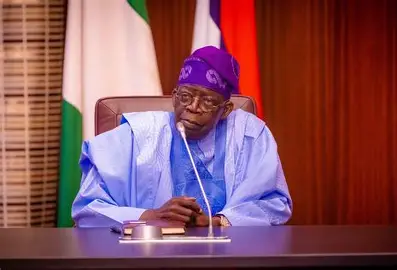
President Bola Tinubu has directed Minister of Finance and Coordinating Minister of the Economy Taiwo Oyedele to oversee a comprehensive forensic audit of federal government systems, including the Integrated Personnel and Payroll Information System (IPPIS), in response to a widening scandal over fake government agencies and ghost workers.
Presidential spokesperson Bayo Onanuga disclosed the directive in a statement on Friday, saying it follows a resolution of the Federal Executive Council (FEC) on August 19, 2026, taken in response to findings by the Independent Corrupt Practices and Other Related Offences Commission (ICPC) on “fake agencies,” ghost workers and other control failures.
The audit is intended to establish the nature and extent of weaknesses in government control systems and how such weaknesses have been exploited.
How the Audit Will Work
Onanuga said the exercise comprises two interconnected parts. The first is a forensic audit of government payroll, personnel, pension and financial-management platforms, focused particularly on IPPIS. It will examine reported cases of ghost workers and payroll fraud, reconcile figures already identified by the ICPC, trace how fictitious or ineligible persons were enrolled, and review access, identity, biometric and bank-account controls. The audit will also probe how IPPIS interfaces with other government platforms, including the Government Integrated Financial Management Information System (GIFMIS), Remita, the Treasury Single Account (TSA) and Sub-TSA, to determine whether the fraud stemmed from system defects, process failures, inadequate segregation of duties, or deliberate circumvention of controls.
The second component covers all federal agencies, departments, commissions, councils and parastatals. It will establish a definitive inventory of these bodies, verify their legal basis, and examine how entities obtain official recognition, budgetary consideration, correspondence privileges, office facilities and access to government systems. The exercise will also assess governance, procurement, internal audit and oversight controls across government.
Onanuga said Tinubu directed that the audit be conducted with the highest standards of independence, professionalism and forensic integrity, with the audit team given access to relevant government systems and records and instructed to collaborate with the ICPC so the review complements ongoing investigations, prosecutions and recoveries.
What Triggered the Audit
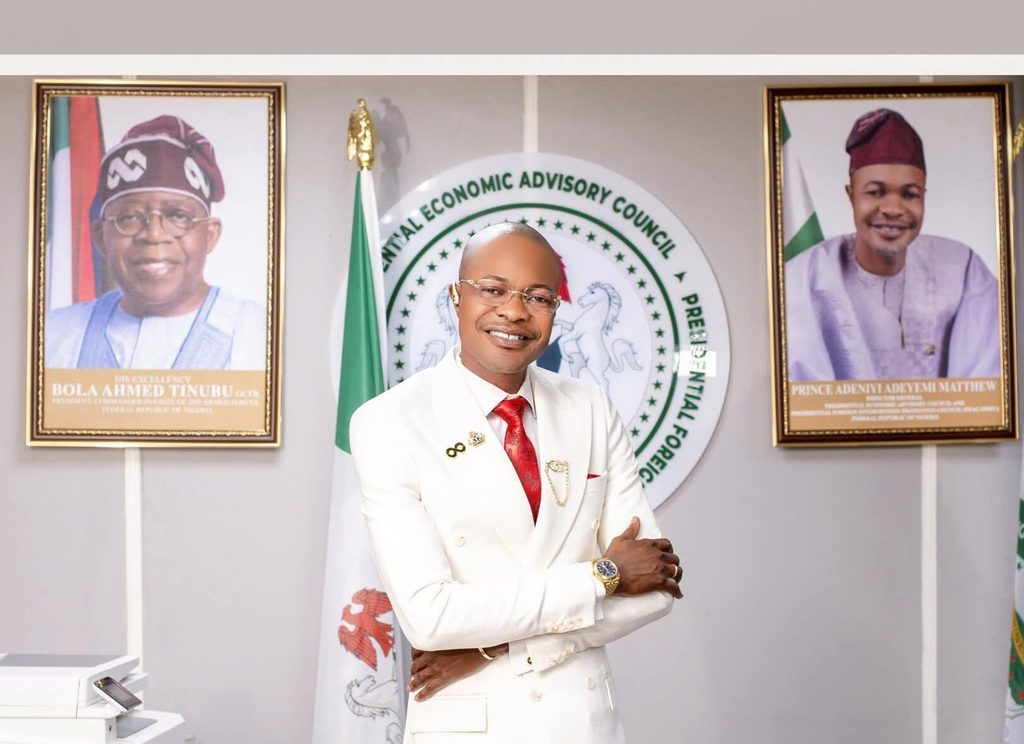
The directive follows the exposure of the Presidential Foreign Intervention Promotion Council (PFIPC), a body investigators say had no legal recognition or backing from any arm of the Federal Government. Tinubu had ordered a 30-day investigation into the PFIPC on July 7; ICPC Chairman Musa Adamu Aliyu presented the commission’s interim report in mid-August, confirming that neither the PFIPC nor its self-styled head, identified as Adeyemi, had been established or appointed through any legislation, executive order or other valid government instrument.
Oyedele disclosed at the time that unauthorised individuals had obtained government administrative and Treasury Single Account codes in connection with the fake agency, though he said no public funds were ultimately released. Minister of Information and National Orientation Mohammed Idris separately corroborated the ICPC’s findings, disclosing that at least two additional fake agencies had been identified beyond the PFIPC, and describing the scandal as a product of “administrative looseness.”
On Friday, Tinubu ordered the suspension of three permanent secretaries after the ICPC uncovered another purported agency, the National Brands Development and Made-in-Nigeria Special Project Office, operating with allocated office space inside the Office of the Secretary to the Government of the Federation (OSGF), despite having no lawful basis or presidential approval. The president also ordered the arrest of the entity’s national coordinator; his name has been rendered inconsistently across reports as George Nwabueze, Nwabueze Buchi George, and Prince George Buchi Nwabueze.
The Financial Stakes
The scale of what’s at risk gives the audit added urgency: Oyedele has disclosed that roughly ₦9.5 trillion in subsidy savings and incremental revenue has already been channelled into salary and allowance adjustments for civil servants, a sum he said exceeds the government’s direct fiscal savings from the 2023 removal of the petrol subsidy. “We cannot afford fake agencies and personnel further constraining our fiscal space,” Oyedele said, warning that ghost workers and fraudulent entities threaten to undermine the administration’s efforts to improve pay for genuine civil servants.
Onanuga said the audit reflects Tinubu’s commitment to strengthening transparency, accountability, fiscal governance and institutional integrity across the federal government, with the exercise expected to go beyond identifying individual fraud cases toward closing systemic loopholes and reinforcing verification and accountability architecture government-wide.
Critics have pointed to the scandal as evidence of oversight failures under the current administration. Ali Ndume, a former Senate Leader and chieftain of the All Progressives Congress (APC), has cited the fake agency episodes as proof of lapses in government oversight, even as the administration frames the audit itself as evidence of its willingness to confront the problem directly.