

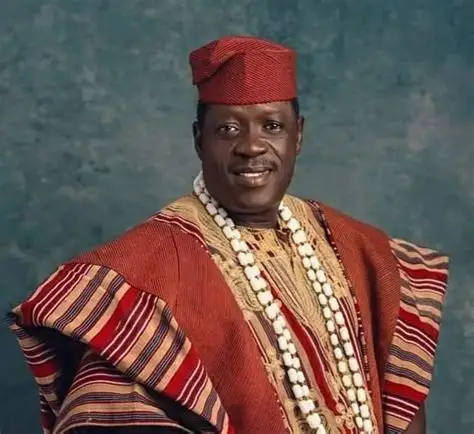
Veteran Nollywood actor Taiwo Hassan, popularly known as Ogogo, has died at the age of 66 after his family disclosed that he was battling stage-four cancer.
His death on Sunday, August 23, 2026, brought to an end a career spanning more than four decades and cemented his place as one of the most recognisable figures in Yoruba-language cinema.
His death was confirmed by his daughter, Kira Taiwo, during an emotional Instagram Live session on Sunday. The announcement came just days after Hassan’s family disclosed his illness and appealed for access to medical specialists.
‘Ogogo’s’ Early Life
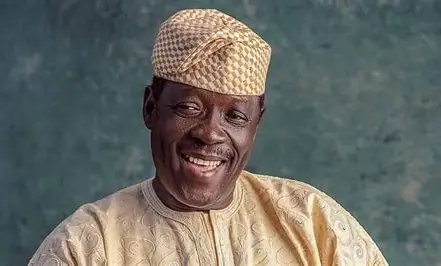
Taiwo Hassan was born on October 31, 1959, in Ilaro, Ogun State. He came from a family with a history of twins; his father and grandfather were both twins, and Hassan himself had a twin brother.
He attended Christ Church School in Ilaro before moving to Lagos, where he attended Gazikia College. Financial difficulties prevented him from completing his secondary education. He later trained as an automobile mechanic, a profession he practised before his eventual transition into acting.
From Mechanic to Movie Star
Hassan’s acting career began in 1981 while he was still working as a mechanic. He received practical theatre training under theatre practitioner Awo Ademola Fagbemi and combined stage work with his day job.
He later worked for about 13 years at the Lagos State Water Corporation before leaving his civil service position in 1994 to pursue acting full-time.
His decision came during a period of rapid growth in Nigeria’s home-video industry. Hassan went on to become one of the defining faces of Yoruba cinema, working across acting, writing, producing and directing.
His reputation grew through memorable performances in Yoruba-language films, particularly productions featuring action, traditional settings and larger-than-life characters. Among his notable works were Owo Blow, Elewon, Atitebi and other Yoruba productions that established him as a household name.
Hassan later expanded his presence into mainstream Nollywood. He played Alaafin Ademuyiwa in Kunle Afolayan’s acclaimed 2020 film Aníkúlápó, a role that earned him a Best Supporting Actor nomination at the 2023 Africa Magic Viewers’ Choice Awards. He also appeared in productions including Bank Alert and remained active across different generations of Nigerian film.
Beyond his performances, Hassan was regarded as an experienced figure within the Yoruba film community. Colleagues have described him as a mentor whose knowledge of theatre and film helped influence younger practitioners.
In His Own Words
Beyond the characters he played on screen, Hassan also spoke candidly about his health, lifestyle and the experiences that changed his outlook on life.
“I even threw away my golden tooth from Mecca after realizing everything is vanity.”
— Taiwo Hassan ‘Ogogo’
In the interview, Hassan said he did not smoke or drink and recalled experiencing a sharp pain in his chest. He said a doctor told him that his use of Alabukun and lime while treating malaria had made his condition chronic.
He also recalled vomiting blood for seven days and spoke about how his experiences had changed his perspective on material possessions.
The reflection offers a personal glimpse into the man behind the Ogogo persona and provides another dimension to a career that was defined not only by the characters he played but also by the life he lived away from the screen.
Watch Taiwo Hassan ‘Ogogo’ speak about his health, life and experiences in the interview below.
His Final Battle
Hassan’s health became a subject of public concern on August 18, 2026, when his daughters disclosed that he was battling stage-four cancer. The family appealed for access to medical specialists rather than financial donations, seeking help for his treatment as his condition deteriorated.
The disclosure prompted an immediate response from colleagues and supporters across the entertainment industry. Actors including Femi Adebayo, Odunlade Adekola, Jide Kosoko and Sola Sobowale joined others in expressing concern and rallying support for the veteran actor.
Industry figures and political leaders were also reported to have offered assistance towards his treatment. Despite the efforts, Hassan died on August 23.
His death came only days after his family had dismissed an earlier false report of his passing, making the eventual confirmation particularly painful for colleagues, friends and fans.
Online Tributes
The news of Hassan’s death triggered an outpouring of tributes from actors, filmmakers, politicians and fans.
TAMPAN described him as a great icon, legend and father to many, while the Oyo State chapter of the association described his death as a monumental loss to the Yoruba movie industry and praised his talent, discipline and mentorship.
Fellow actors, including Iyabo Ojo, Odunlade Adekola and Saidi Balogun, shared tributes online, mourning a colleague whose career had touched several generations of Nigerian audiences.
Veteran actor Yinka Quadri, one of Hassan’s longtime friends and colleagues, was also among those who paid their respects. Quadri travelled to Ilaro for Hassan’s burial on Monday and was visibly emotional during the funeral rites. The two actors shared a decades-long friendship and were among the established figures of the Yoruba film tradition.
Other entertainers, including Regina Chukwu, Jigan and Adeniyi Johnson, also expressed grief and offered prayers for his family.
A Legacy Beyond the Screen
Ogogo’s story is ultimately one of longevity, reinvention and influence.
He entered the entertainment industry from an unlikely starting point, moving from automobile mechanics and civil service into theatre before becoming one of the most recognisable names in Yoruba cinema.
For more than 40 years, he remained relevant as the Nigerian film industry evolved from travelling theatre productions and home videos to contemporary cinema and streaming platforms.
His career also demonstrated the enduring influence of Yoruba-language cinema within Nigeria’s wider entertainment industry. By moving between traditional Yoruba productions and contemporary Nollywood films, Hassan introduced his craft to audiences across generations.
But perhaps his greatest legacy lies beyond the number of films he made or characters he portrayed. It lives in the actors and filmmakers who came after him, the Yoruba film tradition he helped preserve and the audiences who grew up watching him.
Taiwo Hassan was buried in Ilaro, Ogun State, on Monday, August 24, in accordance with Islamic rites.
He leaves behind more than four decades of work, a generation of performances and a name firmly woven into the history of Yoruba cinema.