

By Fattyma Ibrahim
“It’s not like you’re a virgin, after all, you already have kids, what’s the point holding back?” — Juwarriyah on why single mums are still fighting to be seen as anything other than “desperate.”
Juwarriyah -33
There’s a version of the single mum that lives rent-free in the public imagination, desperate, “damaged,” secretly hunting for a father figure or a financial escape hatch.
It’s a tired script, and the five women who spoke to the DAILYCIRCULAR for this feature are done performing it.
Single motherhood remains one of the most misunderstood experiences in Nigeria. Whether brought about by divorce, separation, widowhood or other life circumstances, women raising children alone are often reduced to stereotypes instead of being seen as individuals with complex stories, ambitions and emotional lives. Conversations about them frequently begin with assumptions rather than empathy.
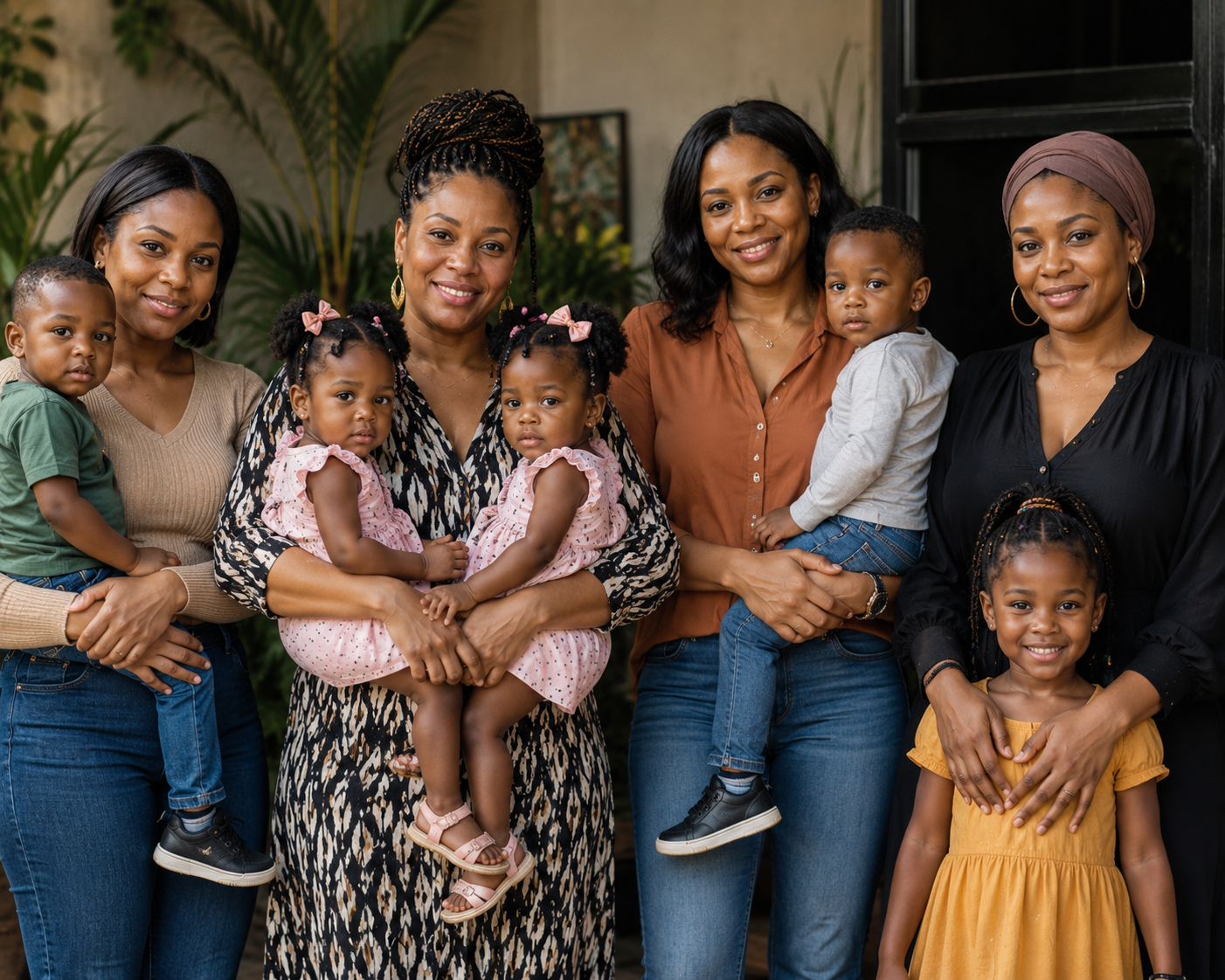
Favour (32), Rebecca (26), Juwarriyah (34), Gambo (36), and Hauwa (early 40s) are single mothers by circumstance, by choice, and for most of them by a bit of both. Between them, they’ve clocked one year to eight years of single motherhood. What they share isn’t a sob story. It’s a shift: toward intention, toward boundaries, and toward a version of love that doesn’t cost them their peace.
Here’s what they told us.
“Not the Plan, But the Path”
None of these women imagined they would one day raise children on their own. Yet none of them speaks about single motherhood solely as a story of loss.
For Favour, becoming a single mother a year ago followed the end of a marriage she once believed would last forever.
“The end of my marriage wasn’t the future I had envisioned,” she says. “But there came a point where choosing peace, dignity and a healthier environment for both myself and my son became more important than remaining in a situation that no longer served us.”
-Favour, 26
Gambo, four years into single motherhood, calls it “a combination of circumstance and personal choice” she didn’t plan the path, but she chose to walk it rather than remain somewhere unhealthy. Juwarriyah, the most seasoned of the group at eight years, is plainer about it: circumstance brought her here, but she’s grateful her kids aren’t growing up in a toxic environment. Rebecca and Hauwa tell similar stories in fewer words. Life unfolded differently from what they had imagined, but they chose to embrace the reality before them and build healthy, stable homes for their children.
Their responses point to a common thread. While the circumstances differed, each woman described single motherhood not simply as something that happened to her, but as a decision to prioritise peace, safety or stability after life took an unexpected turn.
Love, On Their Terms
Ask any of them how motherhood changed the way they date, and one word comes up again and again: intentional.
Favour put it bluntly, she used to believe love was enough. Now she knows “love without respect, consistency, emotional safety, and shared values isn’t sustainable.” She’s stopped chasing potential and making excuses for inconsistency, because her time and her peace are too precious for that anymore.
Rebecca doesn’t date “just for the sake of it” anymore. Every potential relationship gets weighed against how it might affect her and her child, with non-negotiables around honesty, consistency, and emotional maturity. Gambo describes something similar: her decisions used to be about her own feelings alone; now they’re filtered through what’s best for her child too, built on trust and shared values.
For Juwarriyah, the intentionality starts almost immediately. “The first thing I’d be mentioning to anyone in a talking stage is my kids,” she says. Knowing a man’s stance on single parenting before things go any further isn’t optional, it’s the entry fee. And she’s conscious that her kids are watching how she carries herself in a relationship, which keeps her holding her own standard high.
Hauwa, further along in life and in this journey, sums up her approach in four words: “extremely careful with any other relationship.”
Motherhood, it seems, hasn’t made these women fearful of love.
It has simply made them far more discerning about the kind of love they are willing to accept.
The misconceptions they’re tired of
“We’re either desperate for a partner or carrying too much baggage to be worth dating. The truth is, many single mums are emotionally resilient, independent, and know exactly what they want.”
— Rebecca, 26
But becoming more intentional hasn’t shielded them from public judgment.
Here’s where the stories get sharp.
The most repeated myth, across every single response, is some version of desperation — that single mums are searching for anyone willing to take them, a father figure for their kids, or a financial lifeline. Rebecca and Gambo both named it almost word for word: the assumption that single mums are either desperate or too burdened with baggage to be worth dating, when in reality, most of them are emotionally resilient, independent women looking for something genuine.
Juwarriyah remembers an encounter she hasn’t forgotten. After telling a man in a talking stage that she was a single mum of twins, she noticed his interest shift not toward a relationship but toward pushing her to meet him in a hotel room. His response still lingers: “it’s not like you’re a virgin, after all, you already have kids, what’s the point holding back?” She recalls it almost with a laugh now, but the point underneath it isn’t funny at all the assumption that motherhood makes a woman’s boundaries negotiable, or her body public property. “We are single mothers,” she says. “We are not desperate.”
Rebecca says one of the biggest misconceptions is that single mothers are either searching for anyone willing to take them or carrying too much emotional baggage to deserve healthy relationships.
“The truth is, many single mums are emotionally resilient, independent, and know exactly what they want.”
Favour challenges another harmful stereotype. “People sometimes assume we’re searching for financial support, a father figure, or simply anyone willing to accept us,” she says. “The truth is, many single mums become more selective, not less.”
Favour rejects a different flavor of the same myth, the idea that single mums are “damaged goods” because a marriage didn’t survive. Sometimes, she says, relationships end despite your best efforts, and that doesn’t shrink your capacity to love or be loved. Juwarriyah points yet another assumptions: the assumption that single motherhood is the result of a “reckless lifestyle,” when for many of them, it followed a marriage that simply didn’t make it and standing strong for their kids afterward was the better decision, not a lesser one.
What they wish people understood
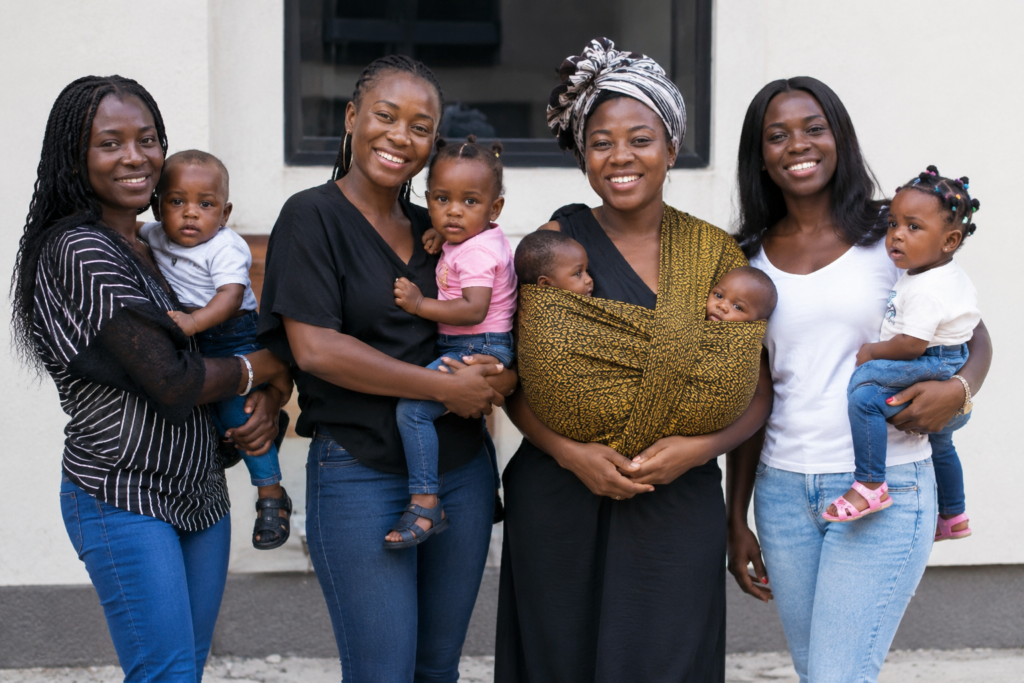
“A single mum’s child will naturally come first, but that doesn’t mean she isn’t capable of loving deeply or investing in something meaningful”
GAMBO —36
If there’s a single thread running through all five conversations, it’s this: see the woman, not just the mother.
“I wish people understood that we are women first, not just mothers,” Favour says. Yes, the responsibilities are real, school runs, sick days, bedtime routines but so are the dreams, the ambitions, the personality, and the hunger for genuine connection underneath the schedule. Juwarriyah wants the same recognition: less focus on the “mom” part, more on the growth, the hobbies, the ambitions, the emotional needs that exist alongside parenting. And a pointed reminder, dating a single mum isn’t about replacing anyone, not the kids’ other parent, not anyone else in her life.
Rebecca, Gambo, and Hauwa all arrived on variations of the same ask: patience, respect, flexibility. Gambo says it plainly a single mum’s child will naturally come first, but that doesn’t mean she isn’t capable of loving deeply or investing in something meaningful. What makes the difference is a partner who treats her responsibilities as part of the picture, not an obstacle to route around.
Hauwa offers what might be the simplest advice of all: don’t come into it pitying her, don’t make her feel like less of herself, accept her as she is and let things fall into place gradually.
“Don’t come into the relationship with a sense of pity. Accept the person for who she is.”
Not looking to be saved
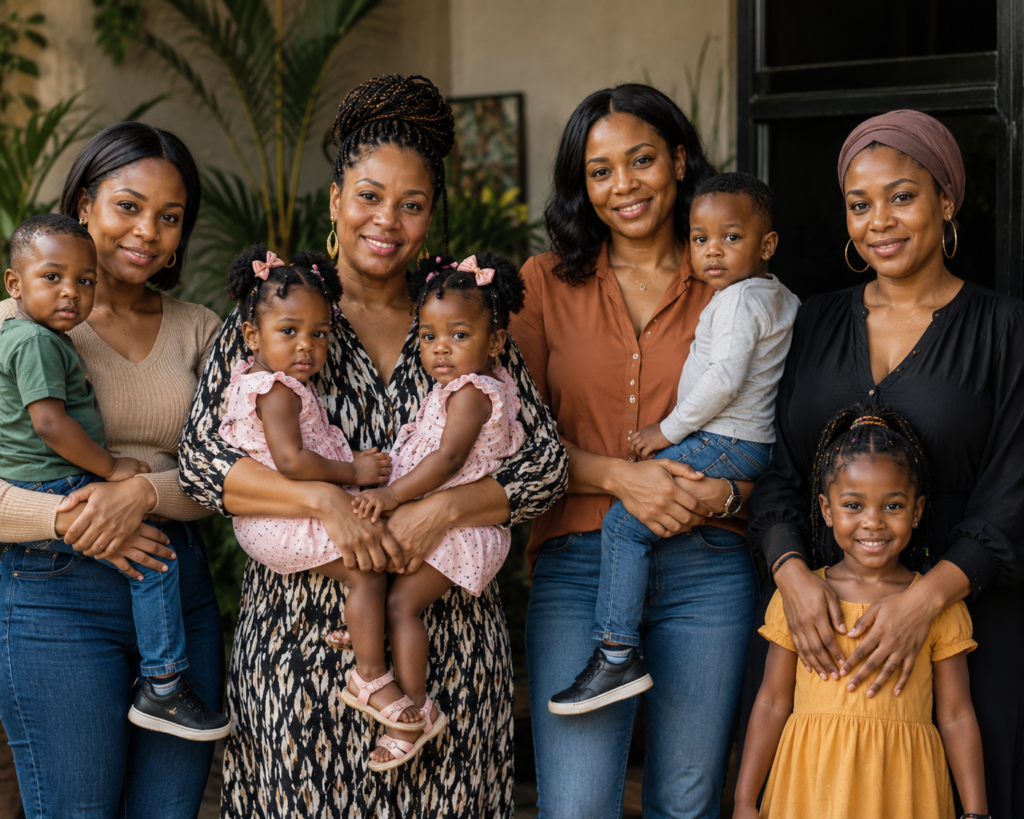
"Dating a single mum isn't about 'saving' her. It's about building a partnership based on mutual respect. We don't need someone to complete us — we've learned to stand on our own. What we hope for is someone who complements the life we've worked so hard to rebuild."
— Favour, 32
Favour closes her interview with something that could double as a thesis statement for all five women: being a single mum has been one of the hardest and most beautiful chapters of her life. If love finds her again, she’s not looking for perfection. She’s looking for kindness, consistency, friendship and trust.
“If I find love again,” she says, “I’ll be looking for someone who understands that the strongest relationships are built on friendship, trust, and choosing each other every day.”
If these conversations reveal anything, it’s that single motherhood hasn’t diminished these women’s capacity to love—it has reshaped it. They aren’t searching for someone to rescue them or erase their past. They’re looking for relationships built on mutual respect, emotional maturity and honesty.
Love, they insist, is still welcome. It simply has to meet them where they are.