

Akpabio admits the Electoral Act may need a second look, even as he defends the Assembly’s three-year record
Senate President Godswill Akpabio has admitted that the National Assembly may have “shot itself in the foot” with some provisions of the Electoral Act 2026, while urging Nigerians to read legislation before criticising lawmakers.
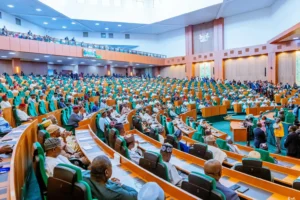
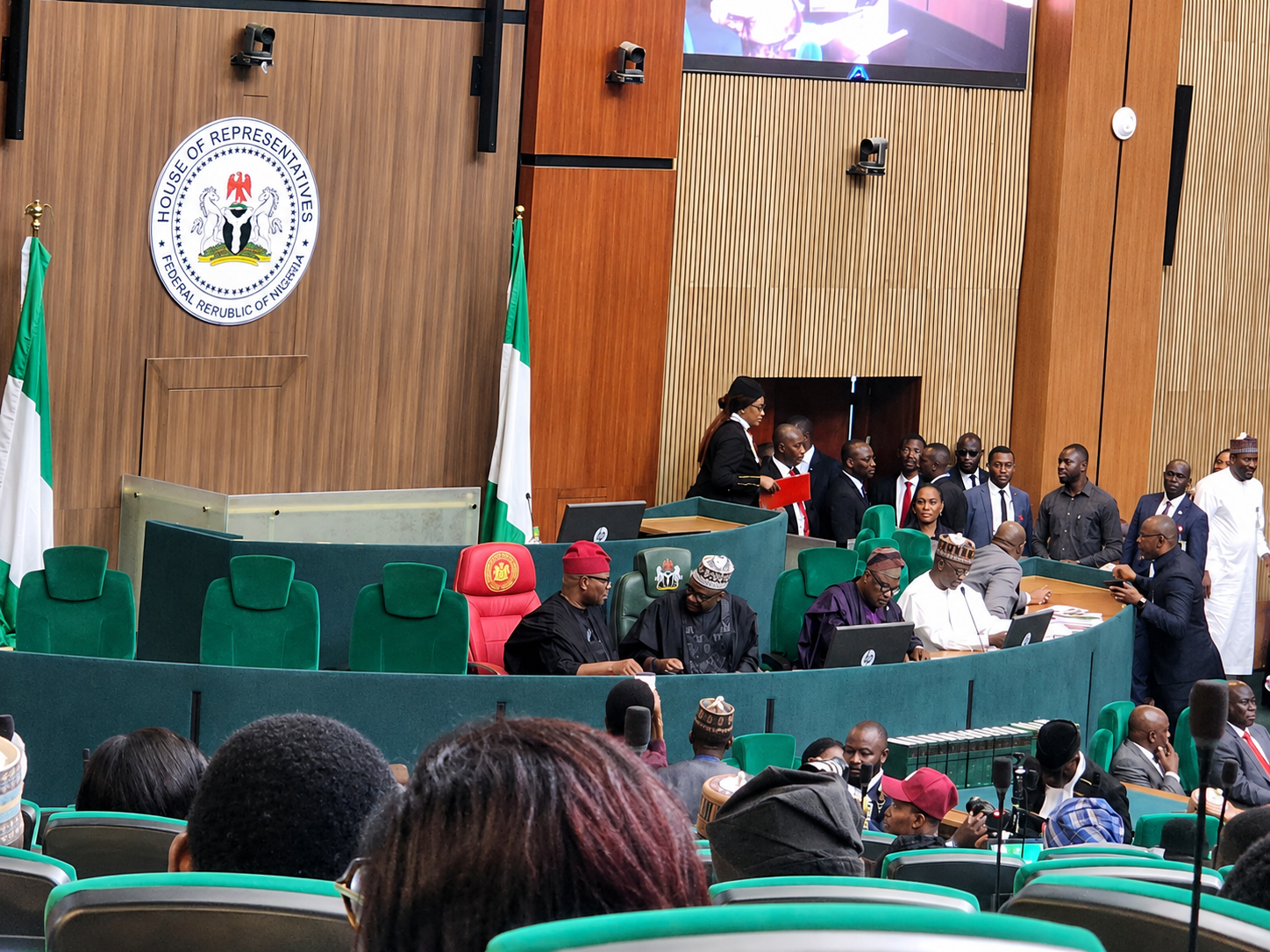
He defended the performance of the 10th National Assembly at the opening of the 2026 National Assembly Open Week in Abuja on Tuesday.
Akpabio‘s remarks come amid complaints from federal lawmakers who lost their return tickets during recent party primaries ahead of the 2027 general elections. He suggested that legislators had become unintended victims of laws they enacted themselves.
Declaring the week-long event open, Akpabio said Parliament exists to serve the people and urged Nigerians to look beyond headlines and engage more meaningfully with the legislative process.
“We are assembled today for something far greater than either Chamber. Parliament belongs not to those elected to sit within it, but to the millions whose hopes and votes brought it into existence,” he said.
He added, “Parliament was never built to keep the people out. It was built to bring them in, for democracy flourishes only in the confidence of an informed and engaged citizenry.”
According to him, the Open Week offers Nigerians an opportunity to see Parliament as “the meeting point between the aspirations of the people and the responsibilities of government,” stressing that strong democracies depend on legislatures where differing opinions are heard and citizens are adequately represented.
Akpabio said openness in Parliament goes beyond allowing citizens to observe proceedings, adding that every Nigerian, regardless of location or status, deserves effective representation.
He also encouraged citizens to actively engage lawmakers, saying, “We invite Nigerians not merely to observe us, but to engage with us; not merely to applaud where they agree, but to challenge us where they believe we can do better. A Parliament that listens becomes wiser. A democracy that listens becomes stronger.”
Why Akpabio says the Electoral Act needs review
Akpabio said the National Assembly would revisit the Electoral Act to correct provisions that disadvantaged lawmakers during the recent party primaries.
“But we shall tinker with the Act again to make sure that we are not the victims of our own actions,” he said, adding that many senators and members were overwhelmed during party primaries in their constituencies.
He did not specify which provisions may be reviewed, but assured lawmakers the National Assembly would reflect on the legislation to ensure future legislators are not disadvantaged.
“But I assure you that we shall tinker with it so that future members and future senators will not have difficulty going back. Because the more people with experience that comes back, the more the country benefits from their activities,” he said.
He also pointed to a silver lining from the same legislation, noting that the recent party primaries had passed with relatively little violence.
“From even the Electoral Act that we passed, you can see not so many people were killed, if any, in many of the states of the federation during these primaries,” he said.
Akpabio urges Nigerians to read laws before criticising tax reforms
The Senate President said the parliament’s role in supporting national reforms is often misunderstood, describing the legislature as the most accessible democratic institution in the country.
“I want all of us to attend this Open Week. Please try to read the laws we make. You can question us after you have finished reading the laws,” he said.
Recalling a television appearance by a professor who criticised the recently passed tax reform legislation, Akpabio said the academic admitted he had not read the Acts he was condemning.
He described the current National Assembly as the most harmonious and productive since Nigeria’s return to democratic rule in 1999, crediting close collaboration between both chambers, and said lawmakers legislate for future generations rather than immediate political gain.
He said the State Police Bill, in particular, had undergone extensive consultations, including public hearings across all regions of Nigeria over two and a half years.
He also commended security agencies for the recent rescue of abducted schoolchildren in Oyo State, and defended the Tinubu administration’s economic reforms, saying Nigeria had reduced its dependence on crude oil revenue.
Scorecard and other remarks at the Open Week
Speaker Tajudeen Abbas used the event to unveil the Third-Year Legislative Scorecard of the 10th House, disclosing that lawmakers had received 2,747 bills in three years, the highest volume since 1999, with 363 passed and 72 receiving presidential assent.
He described the Open Week as an accountability platform rather than an exercise in self-congratulation.
“Openness is not a courtesy this House extends at its pleasure; it is an obligation it owes to those it serves,” he said.
Abbas also disclosed that the House would withdraw its earlier State Police Bill to consider a more comprehensive executive proposal transmitted by President Bola Tinubu, developed by a presidential committee chaired by Chief of Staff to the President, Femi Gbajabiamila.