


PFIPC: President demands 30-day investigation into fictitious agency; directs examination of forged documents, bank accounts and systemic weaknesses
President Bola Tinubu has ordered the Independent Corrupt Practices and Other Related Offences Commission to launch a comprehensive investigation into the controversial Presidential Foreign Intervention Promotion Council, describing the purported agency as fictitious and entirely without legal basis.
The directive, issued on Tuesday through Special Adviser Bayo Onanuga, sets a strict 30-day deadline for the anti-graft agency to conclude its investigation and submit a detailed report.
“The directive follows the discovery of the fictitious PFIPC, which was never established by the Federal Government of Nigeria and has no basis in any law, presidential instrument, executive approval, or other lawful act of Government,” the statement read.
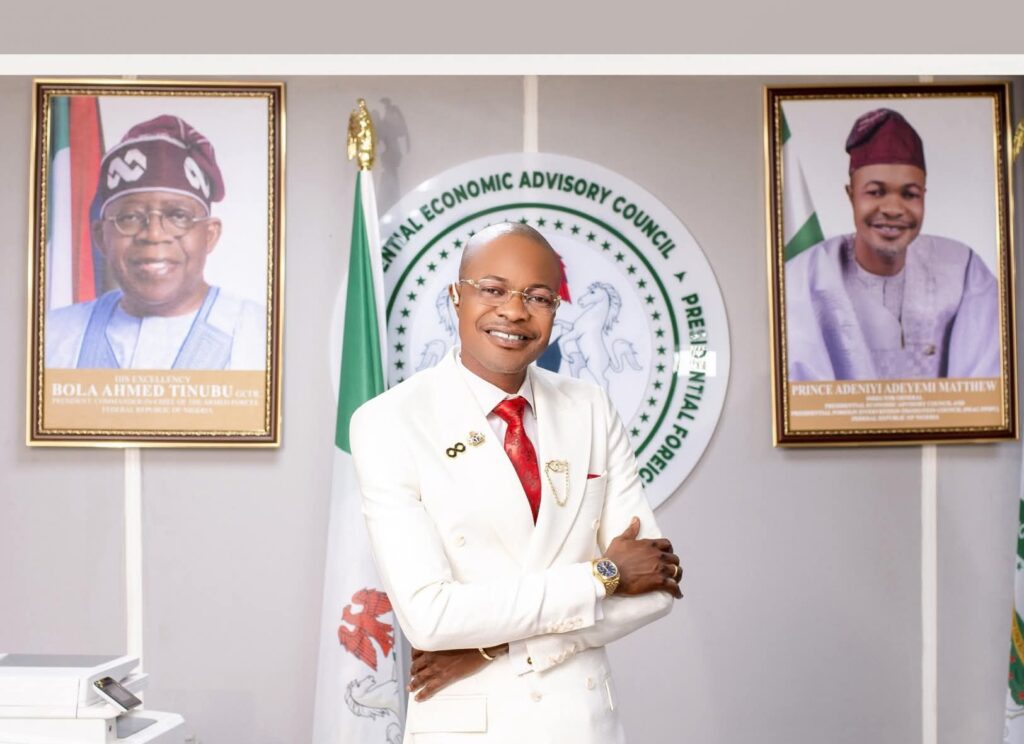
The President’s action represents a significant escalation in the government’s response to the scandal, moving beyond the criminal charges already filed against Adeniyi Adeyemi Matthew, identified as the principal suspect who claimed to be Director-General of the non-existent council.
Tinubu’s directive signals a determination to uncover the full scope of institutional failures that enabled the scheme to operate from the Federal Secretariat Complex, open accounts with the Central Bank of Nigeria and secure a N1.3 billion budget allocation.
Comprehensive scope of investigation into PFIPC mandated
The ICPC investigation has been instructed to examine multiple dimensions of the alleged fraud. Primary areas include investigation of forged appointment letters and other official government documents allegedly used by Adeyemi, the use of false presidential appointment claims to seek official recognition and diplomatic support including visa facilitation, and the opening of multiple bank accounts in the names of purported government agencies using allegedly forged documents.
“Among the issues to be investigated by the ICPC are the forged appointment letters and other official government documents; the use of a false claim of presidential appointment to seek or obtain official recognition and diplomatic support, including visa facilitation; and the opening of multiple bank accounts in the names of purported government agencies using allegedly forged documents,” the statement reads.
Beyond the principal suspect, President Tinubu directed the ICPC to examine “the wider circumstances that may have enabled a fictitious body and a false claim of presidential appointment to acquire an appearance of official legitimacy.” This expanded mandate signals the President’s concern that the scandal reveals systemic vulnerabilities extending beyond one individual’s actions.
The investigation will focus on the origin and use of forged official documents, the processes through which official recognition or diplomatic support may have been sought or obtained, the opening and operation of any related bank accounts, the source and movement of any funds involved, and the role of any public officer, private individual, financial institution, intermediary or other person or entity that may have facilitated or enabled the alleged scheme.
Institutional accountability and preventive measures
Significantly, the President has directed the ICPC to identify weaknesses in government and institutional procedures that may have been exploited and to recommend immediate measures to prevent recurrence of similar abuses. This directive addresses fundamental questions about how government oversight systems failed to prevent an individual from establishing a fictitious agency, securing government letterheads and seals, opening accounts in government names, and obtaining diplomatic recognition.
All ministries, departments and agencies of the Federal Government have been directed to provide the ICPC, upon lawful request, with all relevant information, records and assistance required for the expeditious completion of the investigation.
Protection of institutional integrity
President Tinubu emphasised that “the integrity of the Presidency and the institutions of the Federal Government must be protected against impersonation, forgery, abuse of official identity and the exploitation of weaknesses in the public service.” He directed that all persons found culpable be treated strictly in accordance with applicable law.
The investigation represents the government’s commitment to accountability whilst maintaining that the PFIPC was never legitimately established and lacked any legal foundation for existence.