

Progress: Chief of Army Staff assures families of abducted pupils and teachers; military operations intensify across six geopolitical zones
The Chief of Army Staff, Lieutenant General Waidi Shaibu, has expressed confidence that ongoing military operations will lead to the safe rescue of the 39 pupils and seven teachers abducted from three schools in Oriire Local Government Area of Oyo State on 15 May 2026.
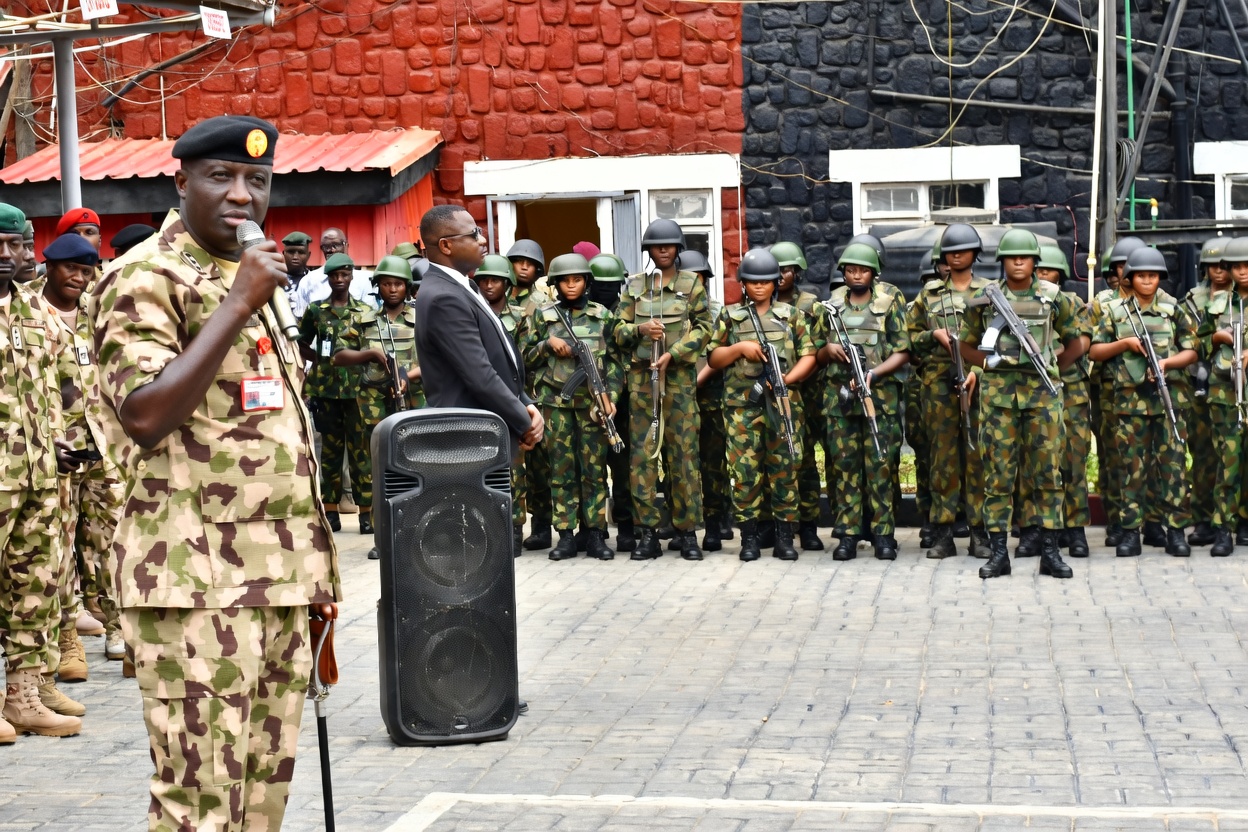
Shaibu disclosed during an interactive session with media executives in Port Harcourt that troops are making “tremendous progress” in rescue efforts.
“Operations are currently ongoing to rescue those children abducted in Oyo State, and we are making tremendous progress,” Shaibu stated during activities marking the 2026 Nigerian Army Day Celebration on Saturday.
The Oriire abduction remains one of Nigeria’s most traumatic security incidents. When armed men attacked the three schools, they abducted 39 pupils and seven teachers, including the principal of one school. Days after the abduction, the captors killed Michael Oyedokun, one of the abducted teachers, whilst he remained in captivity.
Shaibu expressed optimism that the operation would lead to the safe rescue of all victims and their reunion with their families. His assurance came as the abduction has now entered its ninth week, with the victims remaining in unknown locations.
Army operations across Nigeria showing results
Shaibu outlined military achievements across the country’s six geopolitical zones, painting a picture of expanding security operations designed to address multiple threats simultaneously.
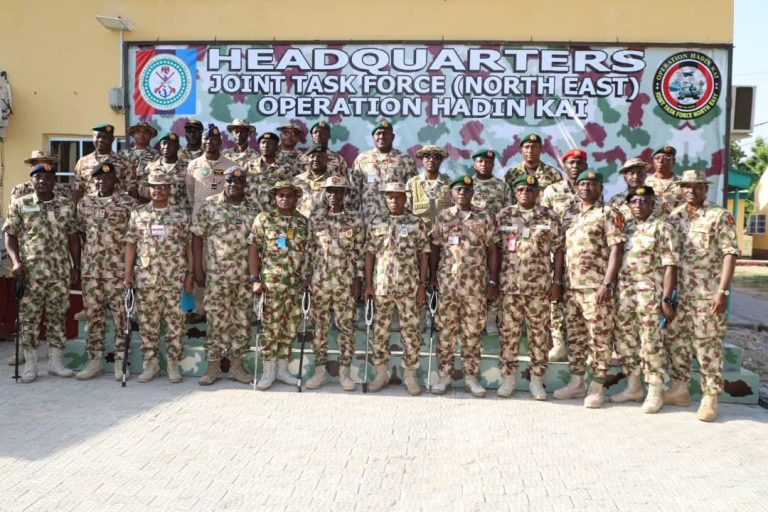
In the North-East, troops under Operation Hadin Kai have recorded significant successes against insurgent groups. The operation has neutralised over 1,872 insurgents whilst many terrorists have surrendered to troops. Improved security has enabled thousands of internally displaced persons to return to their communities. The recently closed Internally Displaced Persons camp in Bama, Borno State exemplifies this progress.
“Operation Hadin Kai has neutralised over 1,872 insurgents, while many terrorists have surrendered to troops,” he said.
In the North-West, Operation Fansan Yamma has continued degrading bandit groups through neutralisation of criminal elements and recovery of weapons. The operation represents sustained effort to dismantle organised bandit networks that have terrorised communities.
Operations Enduring Peace, Whirl Stroke and the newly established Operation Savannah Shield have strengthened security across the North-Central region, particularly in Plateau, Benue, Nasarawa, Kwara, Niger and parts of Kogi State.
In the South-East, the security situation has improved considerably, with no reported disruptions during recent Christmas celebrations. The South-South has seen improvements in oil production attributed to successful operations against illegal bunkering, crude oil theft and pipeline vandalism.
Shaibu described the South-West as one of the country’s most peaceful regions, noting that the Oyo school abduction represents an isolated but serious security challenge receiving full military attention.
Expanded military capacity through recruitment and equipment
To strengthen operational capacity, the Federal Government has approved recruitment of 28,000 additional soldiers. So far, 14,000 have completed training at three Army depots. The Zaria depot in Kaduna has graduated 6,000 soldiers, the Osogbo depot in Osun has graduated 5,000, whilst the newly established Amasiri-Edda depot in Ebonyi will soon graduate 3,000.
The Army has reviewed its training curriculum to strengthen counter-insurgency and counter-terrorism capabilities. Recruits now undergo approximately 11 months of intensive military training, including advanced infantry and acclimatisation exercises focused on marksmanship, counter-insurgency and counter-terrorism operations.
Shaibu disclosed that the Army has procured additional equipment to enhance operational effectiveness. New acquisitions include armoured personnel carriers, mine-resistant vehicles, unmanned aerial vehicles and other combat equipment. The deployment of unmanned aerial vehicles, equipped with both surveillance and strike capabilities, represents a significant modernisation of military operational capacity.
Shaibu appealed to Nigerians to support the military with credible information, stressing that security remains a collective responsibility beyond the armed forces alone.