
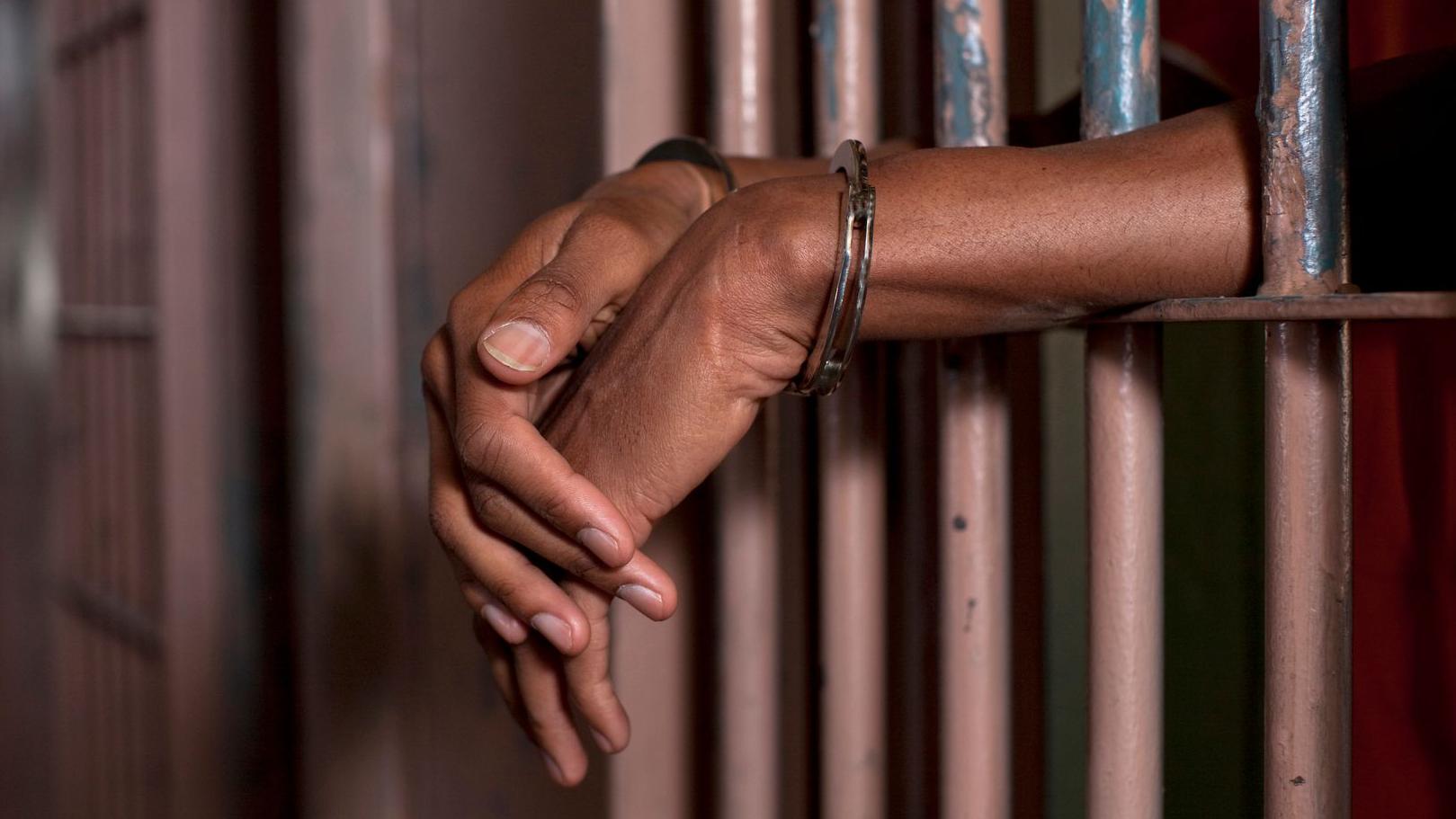
From a former governor to a senator, a monarch and a businessman, these are seven high-profile Nigerians convicted and jailed abroad for fraud, money laundering and organ trafficking.
The sentencing of Franklin Nwadialo by a United States court has once again turned attention to a growing list of high-profile Nigerians convicted and jailed abroad.
Over the past 14 years, prominent Nigerians, including a former state governor, a deputy senate president, a political aide, a traditional ruler, a celebrated entrepreneur and a social media celebrity, have been imprisoned in the United Kingdom and the United States for offences ranging from money laundering and identity theft to romance fraud, organ trafficking and COVID-19 relief fraud.
Although the offences differ, the cases highlight increasing international cooperation in investigating and prosecuting transnational crime.
Franklin Nwadialo: The Latest Conviction
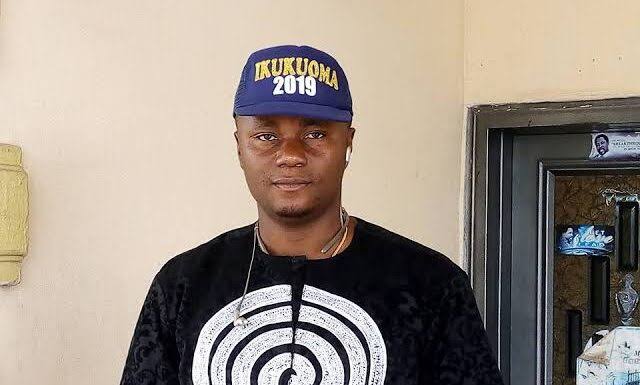
Franklin Nwadialo, 42, who has been identified in multiple reports as the chairman of Ogbaru Local Government Area in Anambra State, became the latest Nigerian public office holder to be sentenced in the United States after a federal court in Tacoma, Washington, handed him a five-year prison term following his conviction on 14 counts of wire fraud linked to a long-running romance scam.
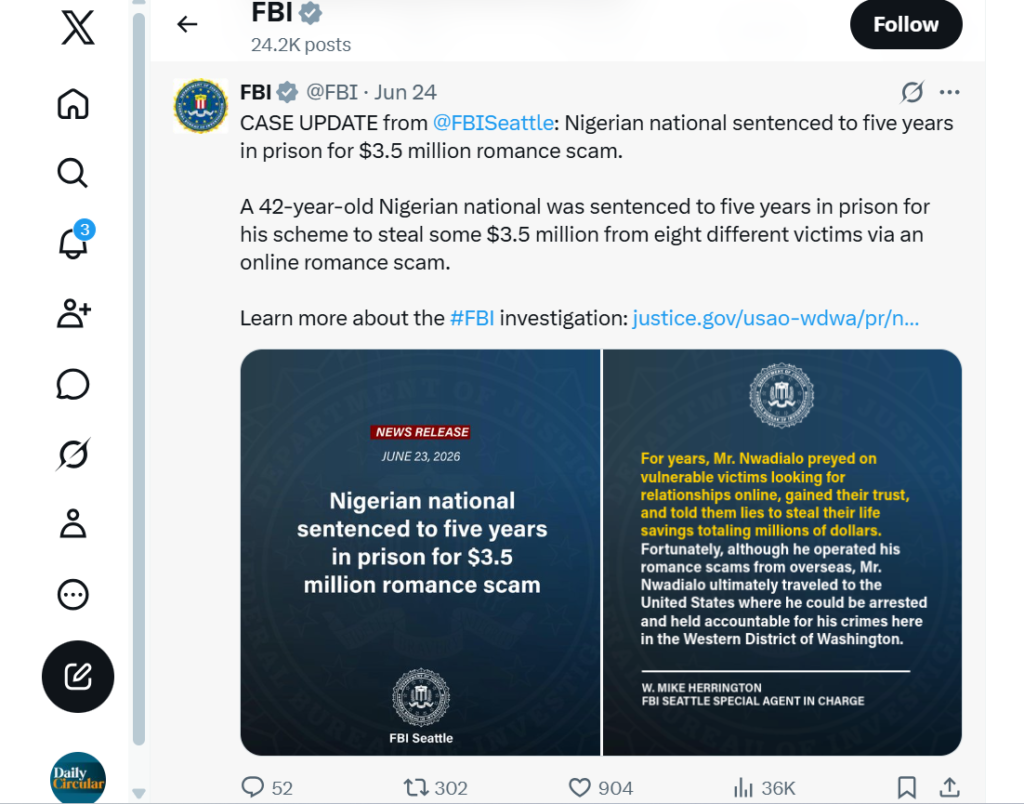
The sentence was announced by US authorities in a statement later shared on the official X account of the Federal Bureau of Investigation (FBI).
According to prosecutors, Nwadialo spent more than 15 years using aliases, including “Giovanni”, to build online relationships with vulnerable victims on dating platforms such as Match, Zoosk and Christian Café. Posing as a military officer deployed overseas, he fabricated emergencies ranging from military fines to funeral expenses and inheritance disputes to persuade victims to send money.
Authorities said the scheme generated more than $3.5 million.
At sentencing, Judge Tiffany Cartwright said the crimes had caused damage far beyond financial losses.
“It is not an exaggeration to say it ruined lives, not only financial lives.”
First Assistant US Attorney Charles Floyd added:
“For some 15 years he upended the lives of people he never met.”
James Ibori: A Landmark Money Laundering Case
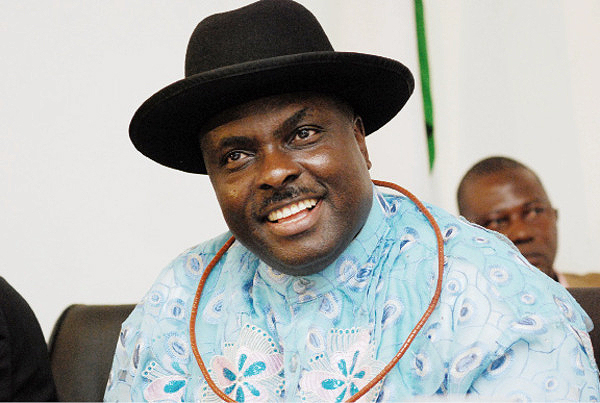
Former Delta State Governor James Ibori (1999–2007) remains one of Nigeria’s highest-profile public officials to be jailed abroad.
James Ibori: The Governor Who Stole $250 Million The most politically significant case remains that of James Ibori, former governor of Delta State from 1999 to 2007.
In February 2012, Ibori appeared before Southwark Crown Court in London and pleaded guilty to ten counts of money laundering and conspiracy to defraud. He was accused of siphoning an estimated $250 million from Delta State’s public treasury—funds.
The court sentenced him to 13 years in prison. His wife, sister and associates were separately convicted of related crimes. Ibori was released in December 2016, having served four years, and was subsequently deported to Nigeria
Ike Ekweremadu: The Organ Trafficking Conviction
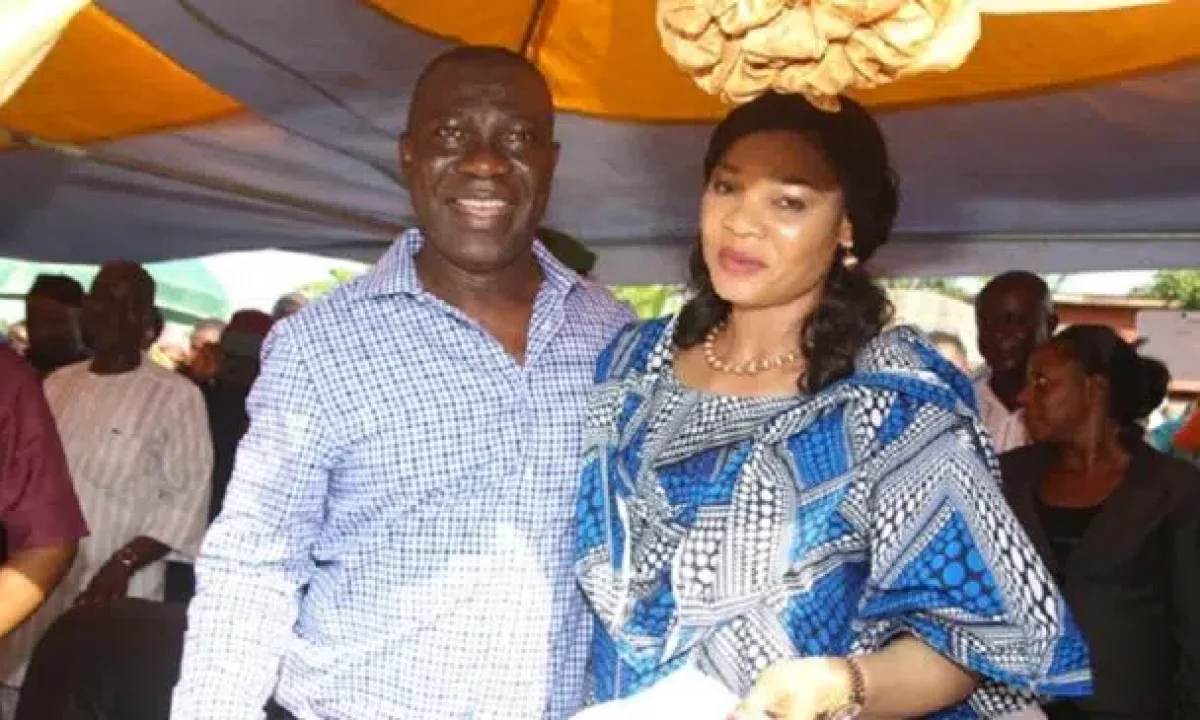
Former Deputy Senate President Ike Ekweremadu and his wife Beatrice were arrested at Heathrow Airport in June 2022. Prosecutors at the Old Bailey established that the couple had trafficked a 21-year-old street trader from Lagos to the United Kingdom with the intent of harvesting his kidney for their daughter, who suffered from kidney disease.
On March 23, 2023, a jury found Ekweremadu, his wife and their medical intermediary, Dr. Obinna Obeta, guilty under the UK Modern Slavery Act 2015.
May 5, 2023, Ekweremadu received nine years and eight months. Beatrice was sentenced to four years and six months, while Dr. Obeta received ten years.
The trial became the first successful prosecution under the UK’s Modern Slavery Act involving organ trafficking.
Abidemi Rufai: Pandemic Relief Fraud
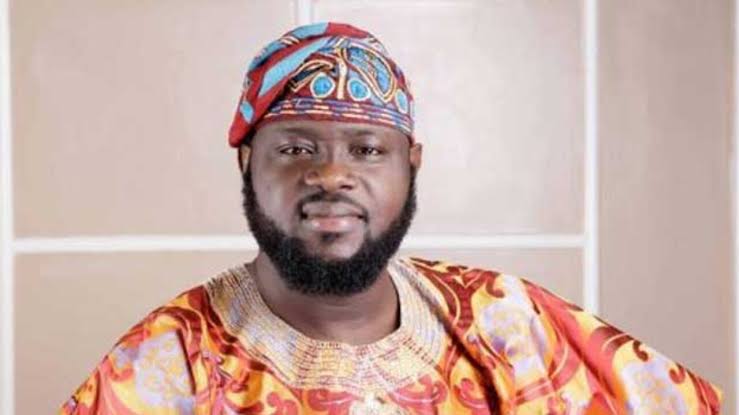
Abidemi Rufai, a former Senior Special Assistant to Ogun State Governor Dapo Abiodun, was arrested at JFK International Airport.
Investigators found over 20,000 stolen American identities stored in his email accounts. Between 2017 and 2021, Rufai used those identities to submit more than $2 million in fraudulent claims across disaster relief programmes, pandemic unemployment benefits and tax refunds across at least 17 US states.
He pleaded guilty in May 2022 at the US District Court in Tacoma, Washington, to wire fraud and aggravated identity theft. He was sentenced in September 2022 to five years in prison and ordered to pay $604,260 in restitution.
Rufai was released from prison in Fort Dix, New Jersey on November 15, 2024 and now faces deportation.
Ramon Abbas (Hushpuppi): Global Money Laundering
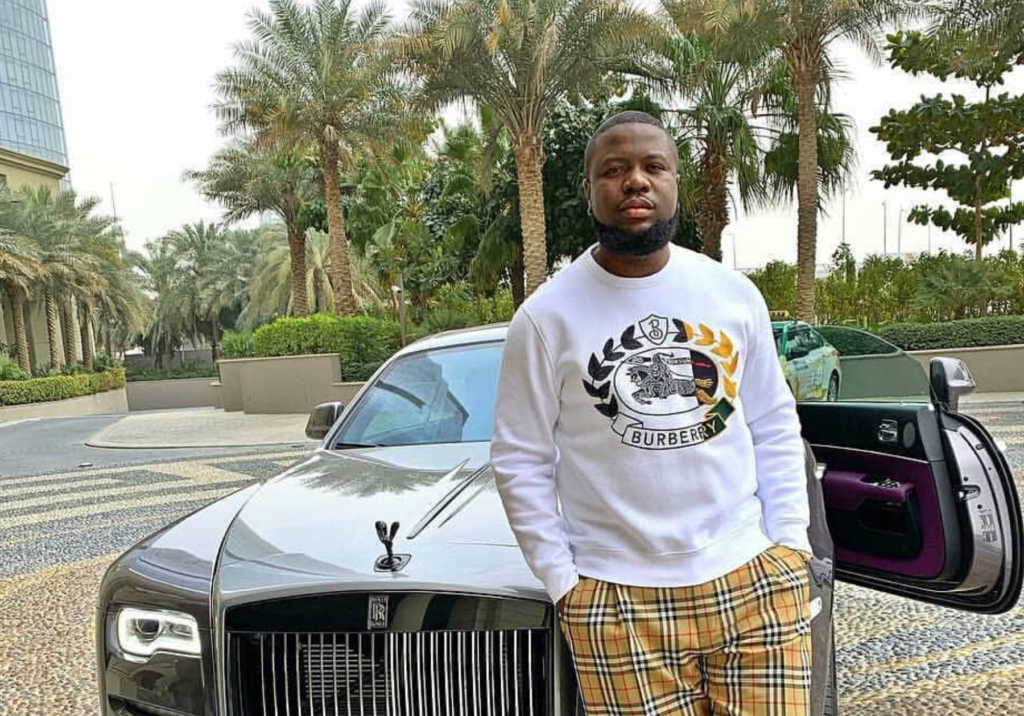
Ramon Abbas, popularly known as Hushpuppi, the Instagram celebrity who laundered hundreds of millions, built a social media empire on private jets, Gucci and Rolls-Royces. Behind it was one of the most elaborate money laundering operations the FBI had encountered.
Hushpuppi was arrested in June 2020 during a dramatic raid on his luxury apartment at the Palazzo Versace hotel in Dubai and extradited to the United States. Investigators seized more than $40 million in cash, 13 luxury cars and 47 smartphones.
He pleaded guilty in April 2021 to conspiracy to engage in money laundering. On November 7, 2022, the US District Court for the Central District of California sentenced him to 11 years and three months in federal prison.
Judge Otis D. Wright II ordered him to pay $1,732,841 in restitution. Prosecutors established that Abbas laundered proceeds from bank cyberheists, business email compromise schemes and a school financing scam targeting a Qatari businessman.
He was also found to have assisted North Korean state hackers in laundering stolen funds.
Obinwanne Okeke: The Forbes Entrepreneur
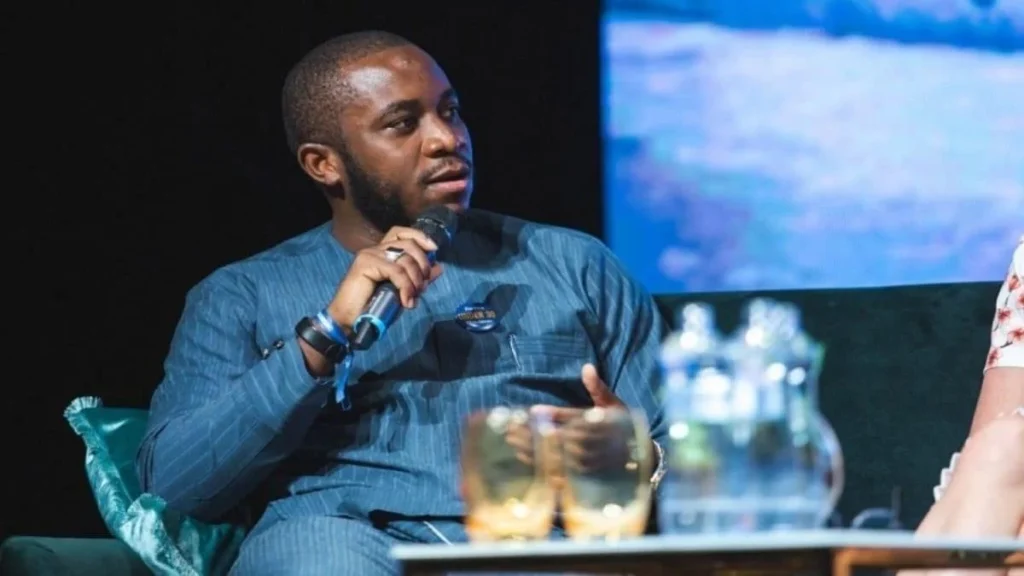
Obinwanne Okeke, founder of Invictus Group and a former Forbes Africa 30 Under 30.
Okeke was arrested by the FBI at Dulles International Airport in Virginia in August 2019 as he prepared to board a flight to Nigeria. Investigators established that between 2015 and 2019, he and co-conspirators used phishing emails to compromise corporate email accounts. Their primary target was Unatrac Holding Limited, the export sales arm of Caterpillar, from which they fraudulently transferred nearly $11 million.
He pleaded guilty in June 2020. On February 16, 2021, Chief District Judge Rebecca Smith sentenced him to ten years in federal prison at the US District Court for the Eastern District of Virginia.
“Through subterfuge and impersonation, Obinwanne Okeke engaged in a multi-year global business email and computer hacking scheme that caused a staggering $11 million in losses to his victims,” said Acting US Attorney Raj Parekh.
Okeke was recorded as no longer in US federal custody as of December 23, 2025, nearly three years before his expected release date of September 2028. The circumstances of his early release have not been officially confirmed.
Oba Joseph Olugbenga Oloyede: The King Who Lost His Crown
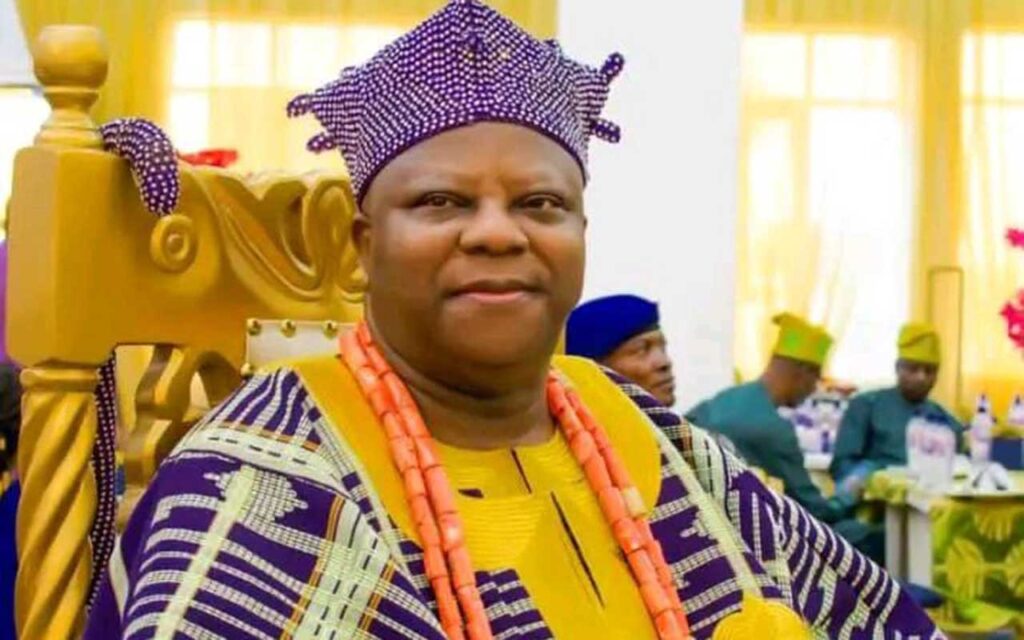
Oba Joseph Olugbenga Oloyede, the Apetu of Ipetumodu in Osun State, was sentenced in August 2025 by US District Judge Christopher A. Boyko to 56 months in prison for orchestrating a $4.2 million COVID-19 relief fraud.
Oloyede, a dual Nigerian-American citizen residing in Medina, Ohio, pleaded guilty in April 2025 to conspiracy to commit wire fraud, money laundering and filing false tax returns.
Prosecutors established that he submitted 38 fraudulent applications to the US Small Business Administration under COVID-19 emergency loan programmes, personally receiving $1.7 million and collecting kickbacks of 15 to 20 percent from clients whose fraudulent applications he filed.
The court ordered him to pay $4,408,543.38 in restitution and forfeit his Medina home. In May 2026, Osun State Governor Adedamola Adeleke formally dethroned Oloyede, declaring the royal stool vacant. The staff of office was withdrawn with immediate effect under the Osun State Chiefs Law.
A Growing Pattern
Although the offences differ, the seven cases illustrate the increasing willingness of foreign jurisdictions to investigate and prosecute Nigerian public officials, business figures and other high-profile individuals where evidence supports criminal charges.
They also reflect growing cooperation among agencies such as the FBI, the UK’s National Crime Agency and financial crime prosecutors in tackling corruption, cybercrime, organised fraud, identity theft and human trafficking.